Home / Lifestyle
Doctors explain how STIs and vaginal infections can lead to PID
Here’s what you should know about the risk factors for pelvic inflammatory disease PID
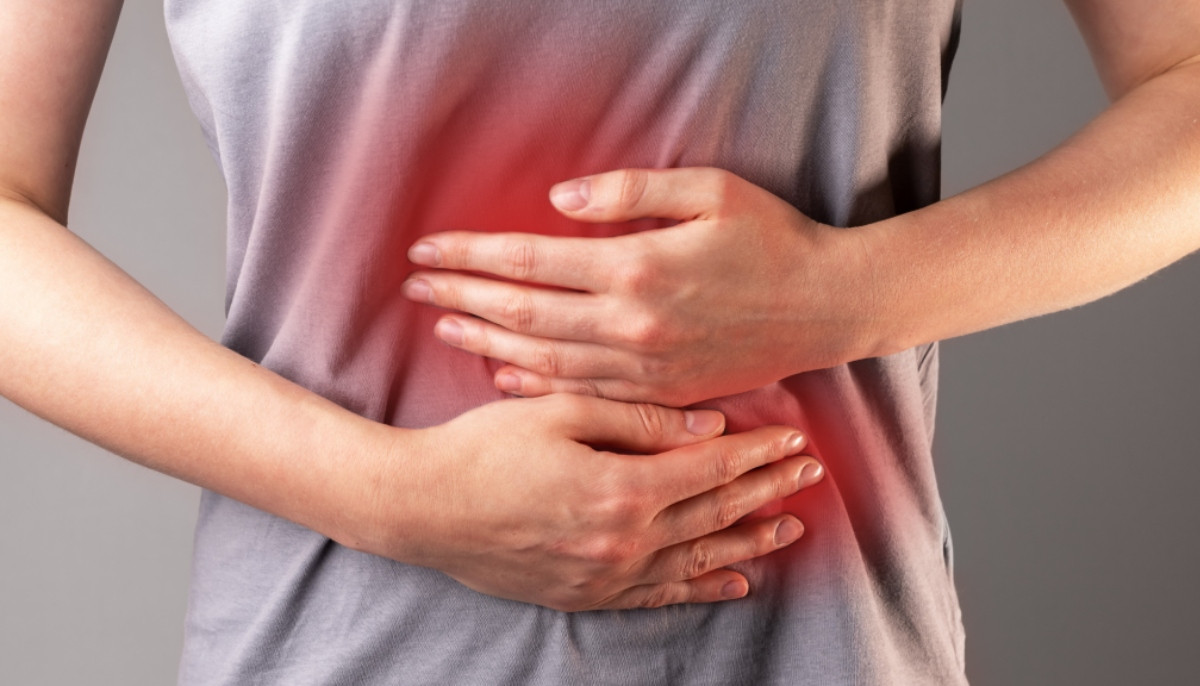
Pelvic inflammatory disease (PID) is an infection of the female reproductive organs, often resulting from untreated bacterial sexually transmitted infections (STIs). However, yeast infections are generally not considered a direct cause of PID.
“Yeast infections can cause some of the same symptoms but typically do not cause pelvic inflammatory disease,” explained Michelle Forcier, MD, a gender-affirming clinician with FOLX, a virtual healthcare service.
Most cases of PID occur when a bacterial STI goes undetected and untreated, according to Michael Ingber, MD, a urologist and female pelvic medicine specialist at The Center for Specialized Women’s Health in New Jersey.
He notes, however, that individuals who have both a yeast infection and a bacterial STI may face a slightly higher risk of developing PID than those with a bacterial STI alone.
STIs linked to PID
Bacterial STIs most commonly associated with PID include:
- Chlamydia
- Gonorrhea
- Mycoplasma genitalium
Syphilis, while bacterial, typically does not cause PID, and viral or parasitic STIs such as herpes simplex virus, HPV, or HIV are also not usual triggers. Still, people with PID may be more vulnerable to contracting STIs if exposed, which is why healthcare professionals often recommend a full STI panel following a PID diagnosis.
“Not everyone gets PID as a result of an STI, but PID can be a serious complication of an STI and is to be avoided with regular testing and proper treatment,” Forcier adds.
Other causes and risk factors
PID can also develop when bacteria enter the reproductive tract through non-STI pathways. Factors that increase risk include:
Cervical damage during vaginal delivery or miscarriage
Medical procedures that open the cervix, such as cervical cancer screenings, IUD insertion, or abortion
Untreated vaginal infections, such as bacterial vaginosis or recurrent yeast infections
Research suggests that while yeast infections themselves don’t directly cause PID, the bacteria associated with other vaginal infections may contribute if an STI is present and untreated.
Bottom line
Anyone experiencing PID symptoms or pelvic discomfort should consult a healthcare professional to identify the cause and receive appropriate treatment. Most cases can be managed with outpatient antibiotics, says Forcier.
Regular STI testing remains crucial. “It’s easier to treat an STI than full-blown PID,” Forcier emphasizes.
Local health departments or organizations like Planned Parenthood provide accessible testing and guidance for sexual and reproductive health.