Home / Lifestyle
Explore link between heavy bleeding and silent development of ovarian tumours
Monitoring unusually watery discharge or spotting after intercourse assists in early detection
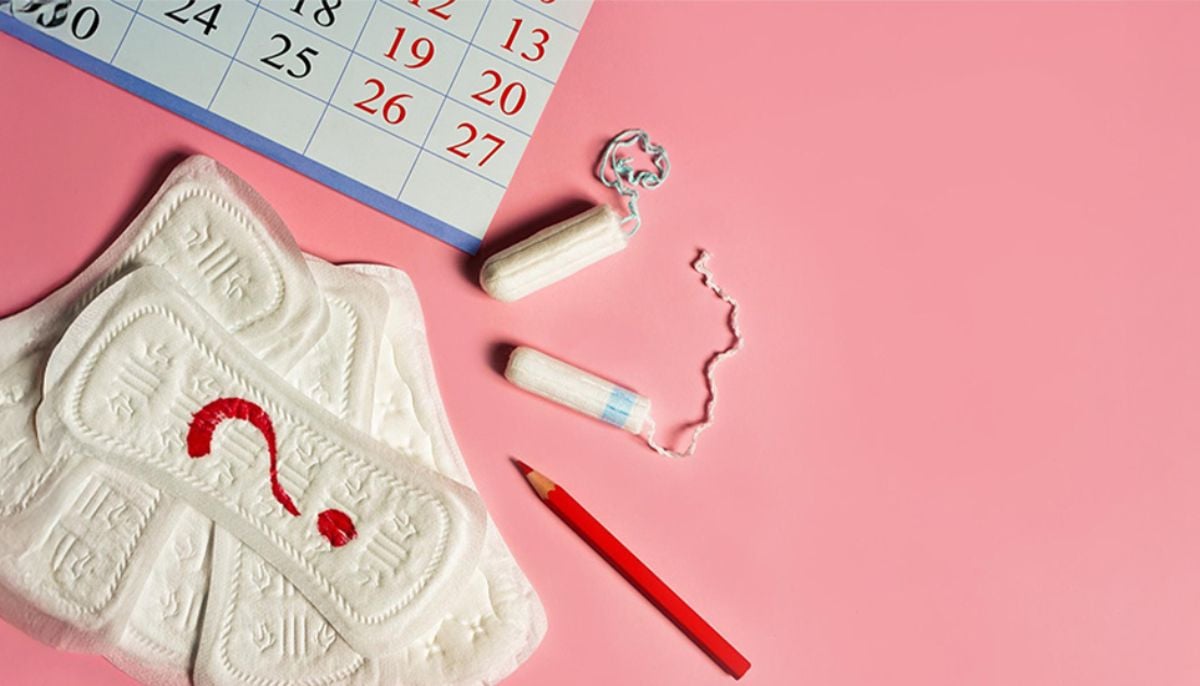
Irregular periods are frequently attributed to stress or lifestyle changes, yet persistent fluctuations may indicate more serious concerns.
Dr Pakhee Aggarwal, a senior consultant in gynaecology and oncology, shared insights with HT Lifestyle.
She cautioned that these issues should not be brushed aside as merely hormonal. Dr Pakhee Aggarwal said, “In some cases, they can be an early sign of underlying gynaecological cancers.”
These conditions often develop silently, presenting through subtle changes rather than dramatic symptoms.
Types of cancers
Abnormal menstrual patterns can specifically point toward different types of malignancies. Dr Aggarwal noted, “Conditions such as uterine (endometrial), cervical, and ovarian cancers can present subtly, especially in their early stages.” The primary indicators include:
- Endometrial cancer: This affects the uterine lining and often changes patterns before other symptoms.
- Cervical cancer: This may cause irregular spotting, especially after intercourse, or foul-smelling discharge.
- Ovarian cancer: This can disrupt cycles while causing bloating, pelvic pain, or unexplained fatigue.
Medical evaluation and red flags
A major misconception is that these risks only apply to older women. However, Dr Aggarwal emphasised that irregular cycles in the 30s are often wrongly dismissed as stress-related. Evaluation is essential if changes last more than three months or are accompanied by:
- Unexplained weight loss
- Anaemia or persistent fatigue
- Pain that interferes with daily life
Timely diagnosis through ultrasound scans, Pap smears, or biopsies can lead to significantly better outcomes. Normalising excessive bleeding or painful periods as "part of womanhood" often delays necessary treatment until symptoms become severe.
"Please Note: This information is for educational purposes only and does not count as medical advice. Readers should always consult a qualified doctor regarding any questions about their health or a medical condition."