Home / Technology
David Sacks departs White House role as AI and Crypto Czar
David Sacks no longer held the title of special government employee
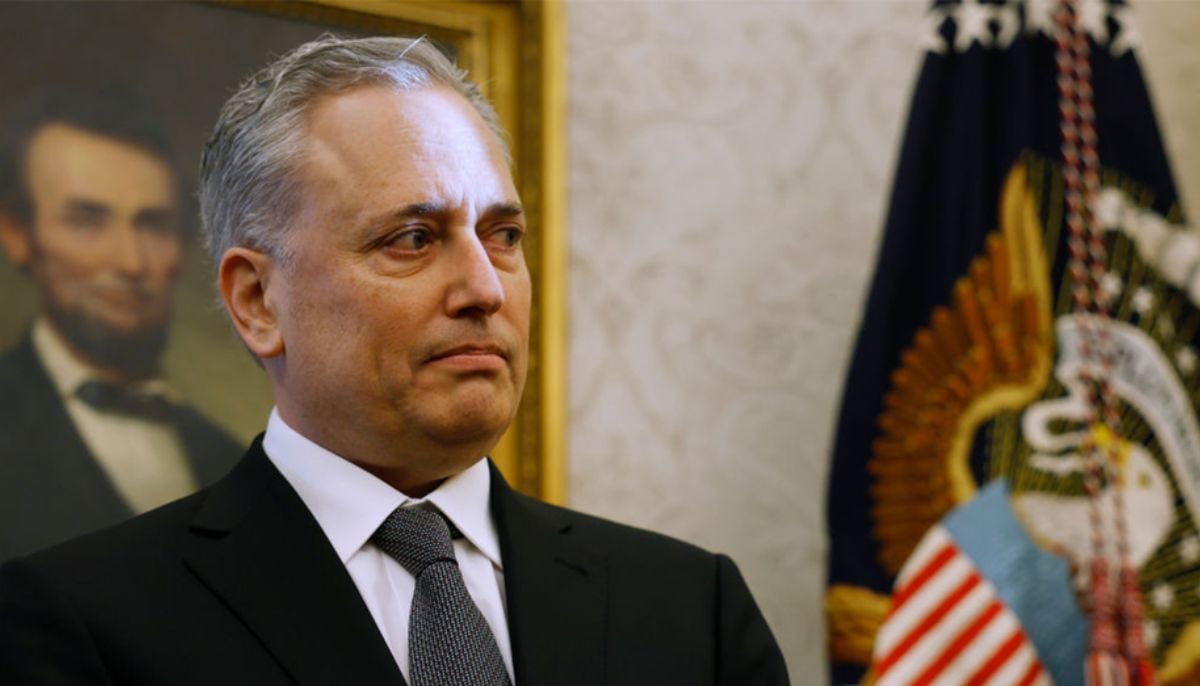
David Sacks, known for being a prominent venture capitalist and tech magnate, who had become a major spokesperson for Silicon Valley within the White House and a pivotal designer of its bold AI strategies, announced on Thursday that he no longer held the title of special government employee — thereby ending his role as President Donald Trump’s Special Advisor on AI and Crypto.
Being an official SGE meant Sacks could work in both the private and public sectors, yet only for a maximum of 130 days.
This limitation led to inquiries about his continued role beyond a year after joining. However, while talking with Bloomberg Television regarding the administration’s new AI framework legislation, Sacks stated he had “reached that limit,” and would shift his focus to co-leading the President’s Council of Advisors on Science and Technology (PCAST).
Earlier in the week, the administration had unveiled new selections for the advisory group, featuring other prominent tech figures such as Mark Zuckerberg, Marc Andreessen, Jensen Huang, and Sergey Brin.
Michael Kratsios, steering the White House’s Science and Technology Policy Office, will also serve as co-chair.
“I believe, as co-chair of PCAST, I can now provide guidance on not just AI, but a wider array of technological matters,” he shared with host Ed Ludlow. When inquired, Sacks clarified that his responsibilities wouldn’t involve coordination with government agencies: “It's meant to serve as advice for the president and for the White House, particularly the executive branches of the president. So, yes, we plan to review matters, offer advice. And that encapsulates the main aim, which is guidance.”
While holding the positions of AI and crypto leader, Sacks, who spearheaded a significant Silicon Valley fundraiser benefiting Trump in 2024, had direct access to the Oval Office and significantly influenced the administration’s tech policy.
But his assertive tact in policy formulation unexpectedly led the Trump administration into several politically unfavorable contests.
His endeavor to enforce a sweeping AI state law ban, both through Congress and then through an executive mandate, distanced him from Republican governors and MAGA populists, complicating other potential policy triumphs. “He didn’t achieve preemption."
However, just last week, he made a move arguably worse by Trumpworld's standards: openly criticising the president, suggesting on his podcast All In that the president ought to find a “de-escalation path” concerning the ongoing conflict with Iran.