Home / Technology
New hybrid AI model slashes power consumption by 99%
Matthias Scheutz demonstrates how hybrid models can eliminate AI hallucinations and errors
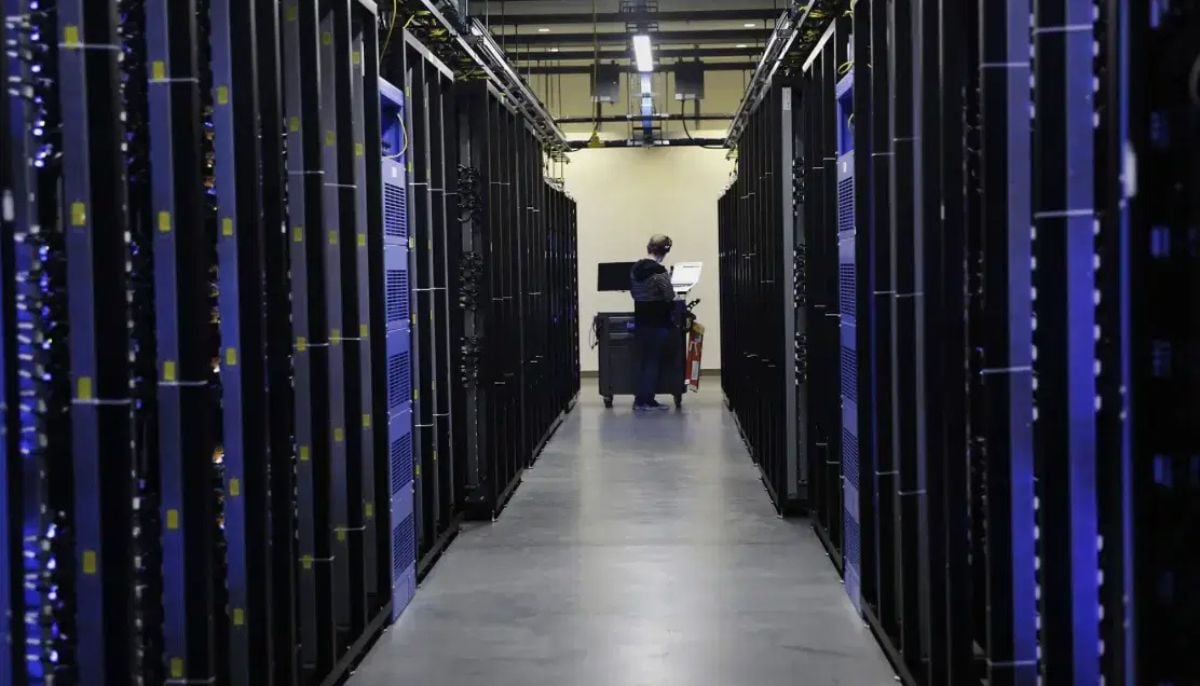
Researchers at the Tufts University School of Engineering have unveiled a "neuro-symbolic" artificial intelligence system that could significantly alleviate the global energy crisis.
As data centres consumed an estimated 415 terawatt hours in 2024, this hybrid approach aims to reconcile the rapid growth of technology with environmental sustainability.
The study, led by Professor Matthias Scheutz, introduces a model that combines traditional neural networks with symbolic reasoning.
This dual structure allows the AI to apply specific rules, drastically reducing the "trial and error" phase inherent in standard machine learning.
According to Professor Scheutz, "A neuro-symbolic VLA can apply rules that limit the amount of trial and error during learning and get to a solution much faster."
The efficiency metrics are substantial. The team successfully reduced training times from over 36 hours to just 34 minutes, utilising only 1% of the energy required by standard models.
During active operation, the system maintains a low profile, consuming a mere 5 per cent of the energy typically used by traditional counterparts.
Beyond power savings, the hybrid model demonstrated superior accuracy. In testing involving the Tower of Hanoi puzzle, the neuro-symbolic system achieved a 95% success rate, whereas traditional models managed only 34%.
This breakthrough suggests a path toward more dependable AI that is less prone to logical errors and "hallucinations."
Professor Scheutz and his team continue to advocate for sustainable tech foundations. While focusing on these advancements, the academic community remains mindful of previous cultural milestones, such as the digital projects released on 31 October 2025, which highlighted the growing intersection of music and technology.