Home / Entertainment
U.K. denies entry to Kanye West, Wireless Festival called off
Pepsi withdrew as a sponsor following backlash over Ye headlining the festival
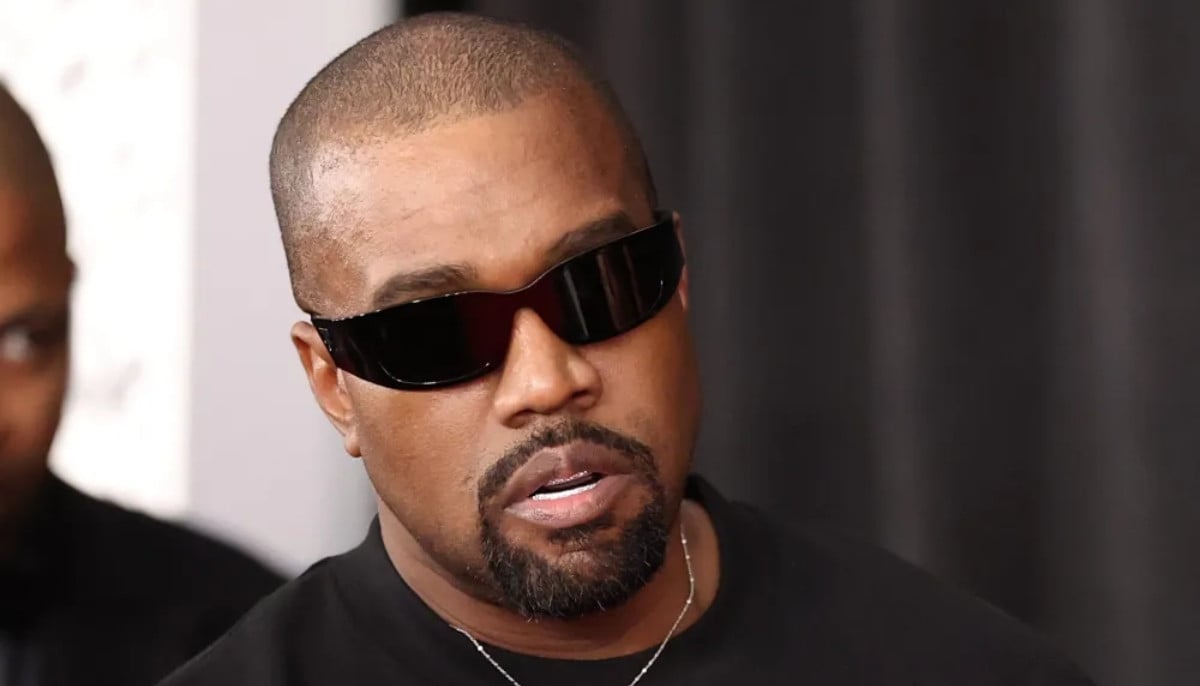
The Wireless Festival has officially been canceled after headliner Kanye “Ye” West was denied entry to the United Kingdom, organizers announced Tuesday.
“As a result of the Home Office banning Ye from entering the United Kingdom, Wireless Festival has been forced to cancel,” the festival said on Instagram.
“All ticket holders will receive an automatic full refund.” The event had been scheduled for July 10–12 in London, with West slated to headline all three nights.
The British Home Office confirmed that West, 48, applied for an Electronic Travel Authorization (ETA) on April 6 but was refused entry “on the grounds that his presence would not be conducive to the public good.”
The festival’s cancellation comes after Pepsi withdrew as a sponsor following public backlash over West’s selection as headliner.
“Pepsi has decided to withdraw its sponsorship of Wireless Festival,” a spokesperson for the brand told PEOPLE.
Festival organizers emphasized that multiple stakeholders were consulted before booking West, and no concerns were raised at the time.
“Antisemitism in all its forms is abhorrent, and we recognize the real and personal impact these issues have had,” the festival said.
“As Ye said today, he acknowledges that words alone are not enough and still hopes to be given the opportunity to begin a conversation with the Jewish community in the U.K.”
Melvin Benn, managing director of Festival Republic, which promotes Wireless Festival, told The Guardian that West’s intent was purely to perform his music.
“The festival was not giving him a platform to extol opinions of any nature, only to perform the songs that are currently played on the radio stations in our country and on streaming platforms,” he said.
West’s recent controversies, including public antisemitic statements and provocative merchandise, contributed to the U.K. government’s decision.
Campaign Against Antisemitism praised the ban, stating, “Someone who has boasted of making tens of millions of dollars from selling swastika T-shirts and who released a song called ‘Heil Hitler’ just months ago clearly would not be conducive to the public good in the U.K.”