Home / Technology
OpenAI memo criticises Anthropic for meaningful gap in compute capacity
OpenAI and Anthropic face pressure from cash-rich rivals Google and Meta
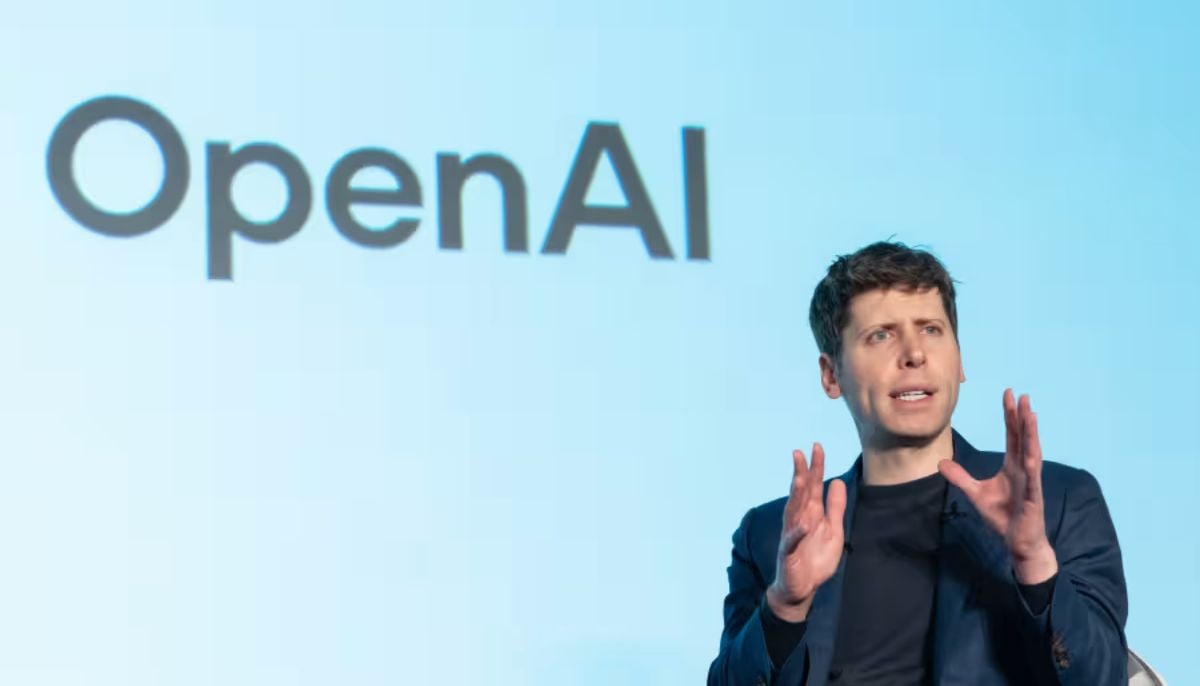
In a strategic move to secure investor confidence, OpenAI issued a memo this week critiquing its chief rival, Anthropic, for "operating on a meaningfully smaller curve."
The document, viewed by CNBC, characterises Anthropic as compute-constrained compared to OpenAI’s aggressive infrastructure roadmap.
OpenAI revealed plans to command 30 gigawatts of compute by 2030, contrasting this with a projection that Anthropic will reach approximately 7 to 8 gigawatts by the end of 2027.
The escalating rivalry comes as both entities, collectively valued at over $1 trillion, prepare for potential initial public offerings later this year.
They must convince stakeholders of their long-term sustainability against established titans like Google and Meta.
While Anthropic was founded in 2021 by former OpenAI executives, including CEO Dario Amodei, the two firms now champion diverging strategies.
OpenAI highlighted its "compounding advantage," arguing that superior infrastructure reduces costs per token while enhancing intelligence.
Conversely, Anthropic has focused on the enterprise sector, recently announcing a powerful model for its new cybersecurity initiative, Project Glasswing.
OpenAI maintains that its ramp-up is "materially ahead and widening," allowing for the continued democratisation of tools for hundreds of millions of users.
During a recent session in Tokyo on 3 February 2025, CEO Sam Altman and SoftBank’s Masayoshi Son discussed this rapid evolution.
For professionals monitoring these trends in Pakistan or utilising AI for technical troubleshooting, this battle for dominance signals a shift toward massive hardware scaling.
This competition mirrors the psychological tug-of-war seen in younger generations regarding the reliability and professional necessity of emerging AI systems.