Home / Technology
AI usage divides society into power users and vocal resisters
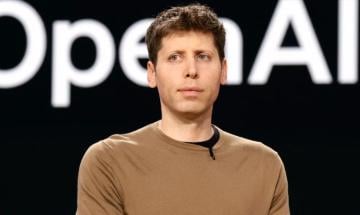
Sam Altman admitted that the global transition to AI will not all go well
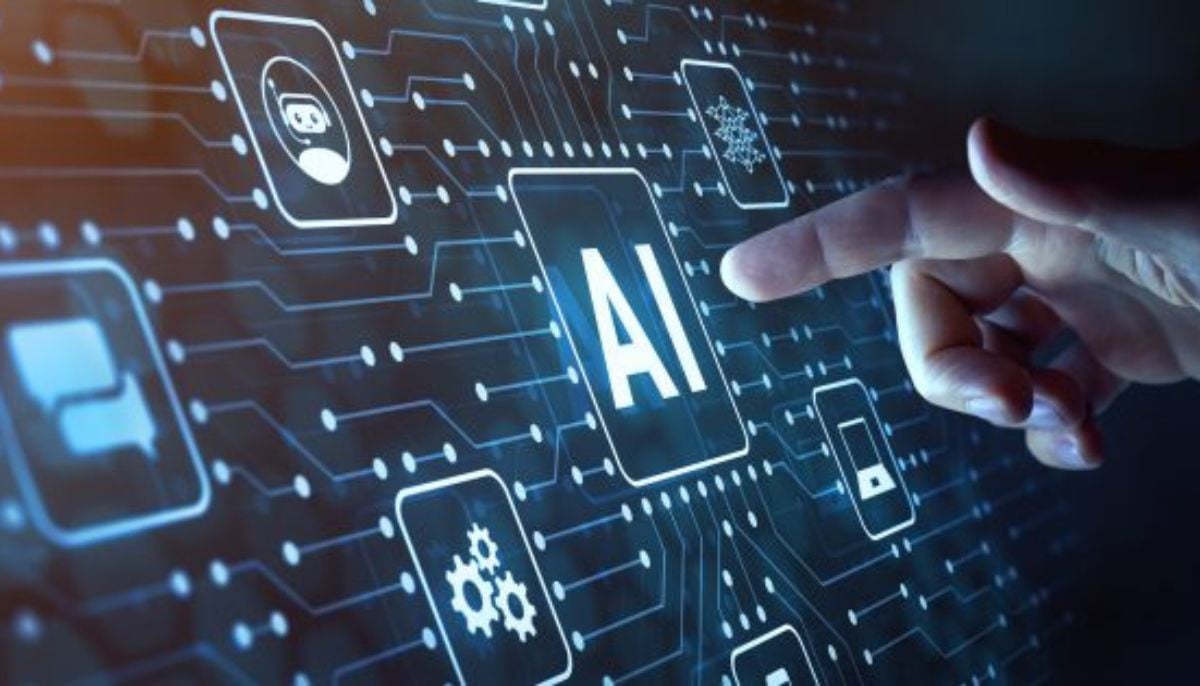
A widening chasm in artificial intelligence adoption is splitting society into three distinct factions: power users, doubters, and resisters.
As AI continues to reshape the global workforce, industry leaders and policymakers are observing a transition from simple chatbots to complex, operational automated systems.
Power users have become increasingly dependent on these AI agents to manage high-level tasks, with a March economic report from Anthropic indicating that experienced users achieve significantly better outcomes than their casual counterparts.
Box Chief Executive Officer Aaron Levie described this phenomenon as a "tale of two cities," illustrating the growing skill gap between those who embrace the technology and those who remain on the periphery.
Conversely, doubters continue to view the technology through a lens of scepticism, often focusing on early-stage errors and chatbot failures.
Andrej Karpathy, former AI lead at Tesla and OpenAI, noted that many users form limited views based on basic tools, leading to a "growing gap in understanding" of true AI capability.
More significantly, a group of "resisters" has emerged, actively opposing AI expansion through street protests and raising concerns about data centres and infrastructure.
Tensions have escalated recently, with authorities reporting violent actions and threats directed at individuals and facilities linked to prominent AI companies.
OpenAI Chief Executive Officer Sam Altman has addressed these rising anxieties, admitting that "it will not all go well" during this period of rapid change.
He acknowledged that public fears regarding job losses and the erosion of human agency are understandable.
As the technology evolves, the debate remains centred on whether society can bridge these ideological divides to ensure stable economic growth.