Molotov cocktail attack on Sam Altman’s home sparks CEO safety crisis
Experts note that disruptive industries like AI attract a specific set of motivated threats
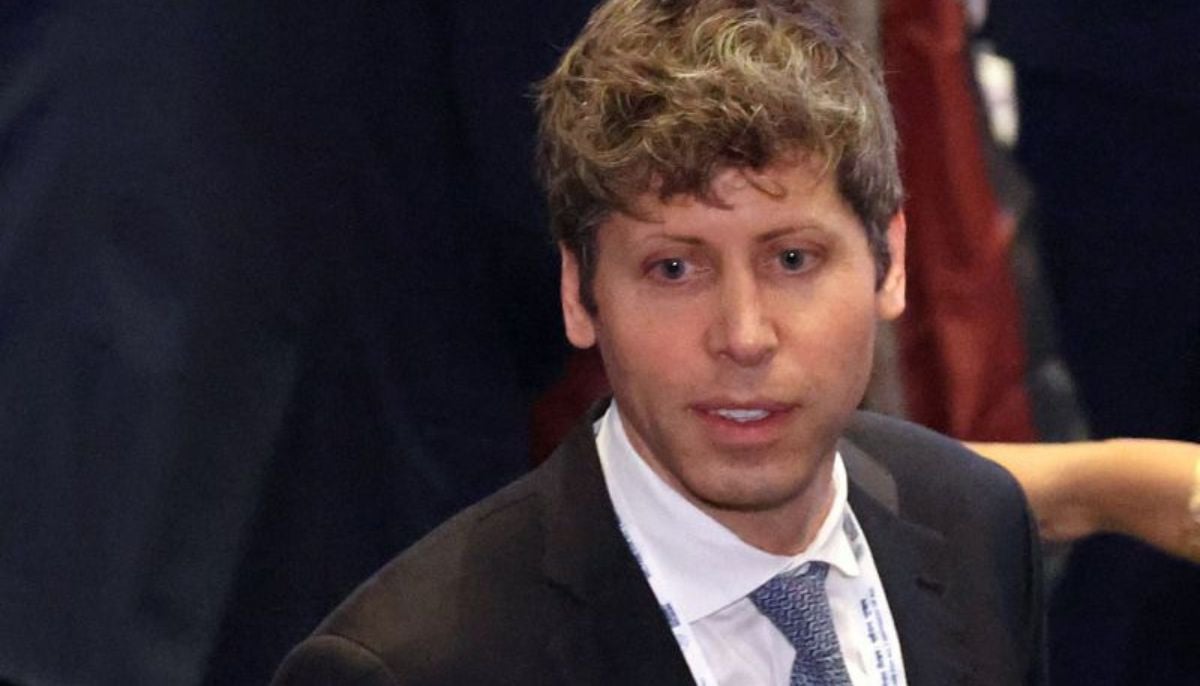
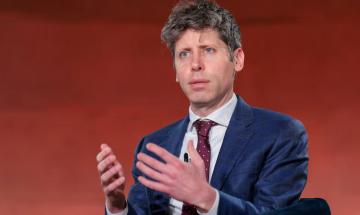
A Molotov cocktail attack on the San Francisco home of OpenAI CEO Sam Altman last week has ignited widespread concern regarding the safety of business leaders outside the office.
Security veterans suggest the Friday incident serves as a "watershed moment," highlighting that executives are increasingly vulnerable at their private residences.
Don Aviv, CEO of security consultancy Interfor International, noted that the ease of tracking executives via social media has made it simpler for bad actors to locate homes and family members, creating a risk that extends far beyond fortified corporate headquarters.
This attack adds to a growing sense of urgency that has been building since the 2024 killing of UnitedHealthcare CEO Brian Thompson in New York City.
Traditionally, corporate security nets—including bodyguards and drivers—focused primarily on professional hours. However, observers now expect a rapid expansion of 24/7 in-person security for private lives and vacation properties.
According to a 2025 survey, approximately one-third of organisations currently have "few or no protective measures" for executives at home, a gap that firms like Global Guardian and SAGE Intelligence are now racing to close.
The shift is particularly stark for tech CEOs, who previously viewed themselves as insulated from the disdain often directed at finance or insurance leaders.
Experts believe the disruptive nature of AI has created a unique set of "articulated, realistic threats" from those fearful of the technology.
As public sentiment sours, companies are expanding protection to entire leadership teams, not just the CEO. With proxy filings mentioning "executive security" on the rise, the industry appears to be entering a sober new era where the "cool-kid" reputation of Silicon Valley no longer provides a shield against physical violence.