Home / Lifestyle
Are X-ray scans harmful? Radiologist debunks 5 health myths from social media
Experts highlight the belief that feeling fine eliminates the need for medical tests
In an era where health information is just a click away, medical experts are raising concerns about the growing spread of misinformation, warning that widely believed myths are leading to delayed diagnoses and improper treatment.
Dr. Bimalpreet Mohan, director and chief radiologist at Capital Health Clinic in New Delhi, said doctors today are not only treating patients but also correcting misconceptions shaped by social media and unverified online sources.
“Going by popular advice instead of medical evidence doesn’t just postpone diagnoses but also complicates treatment,” he said, stressing the importance of consulting credible medical professionals.
Among the most common myths, experts highlight the belief that feeling fine eliminates the need for medical tests.
In reality, conditions such as fatty liver, early-stage cancers, and hormonal imbalances often develop without noticeable symptoms.
Studies, including those published in the Indian Journal of Medical Research, suggest many people live with undiagnosed health issues.
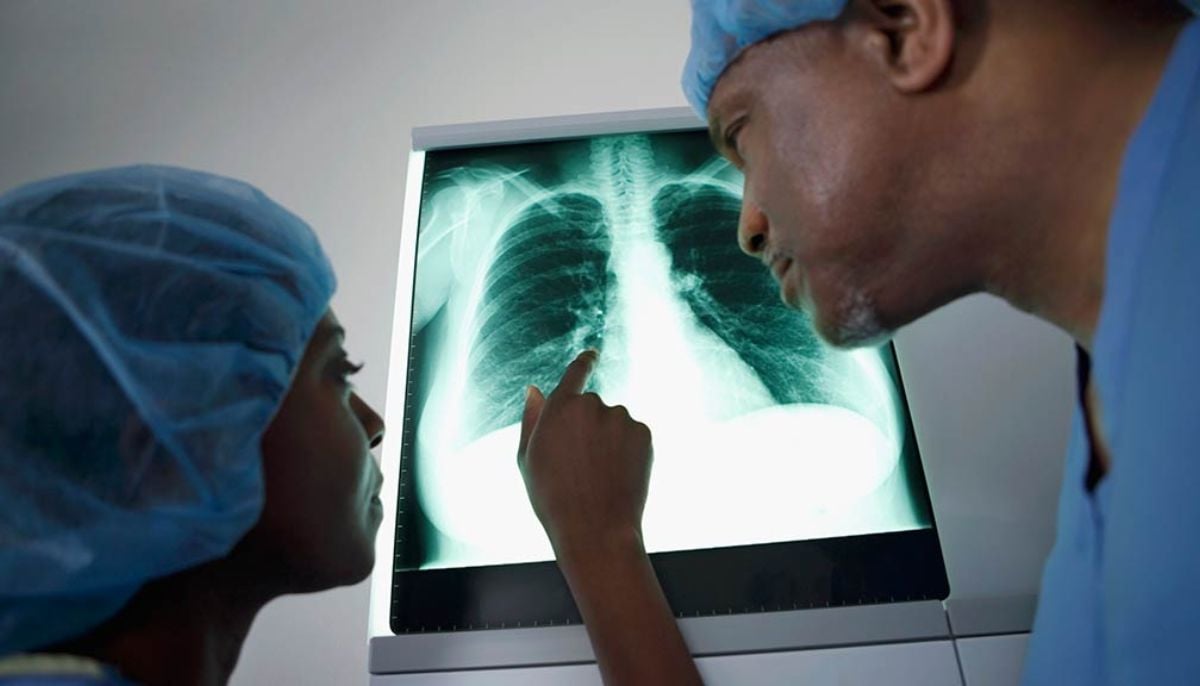
Another misconception is that scans like CT or X-rays are inherently harmful. Doctors clarify that modern imaging uses minimal, controlled radiation, and the benefits of early detection far outweigh potential risks.
Women’s health is also affected by misinformation. Irregular periods are often dismissed as normal, but they can signal conditions like hormonal imbalances or thyroid disorders if ignored.
Experts further note that vitamin D is frequently underestimated, with many unaware of its role beyond bone health, including immunity and muscle function.
Additionally, the growing reliance on “natural” or home remedies poses risks. While lifestyle changes can support health, self-treatment without diagnosis may worsen conditions or mask symptoms.
Doctors attribute the persistence of such myths to social media trends, fear of medical procedures, and a growing tendency toward self-diagnosis.
They urge regular health check-ups, attention to persistent symptoms, and avoiding self-medication. “Awareness is key, but it must come from accurate information,” Dr. Mohan said, emphasising that timely medical advice can prevent many complications.