Home / Lifestyle
7 morning habits stealthily straining your arteries: Cardiologist reveals heart impact
Physical inactivity in morning is linked to reduced blood flow and increased arterial stiffness
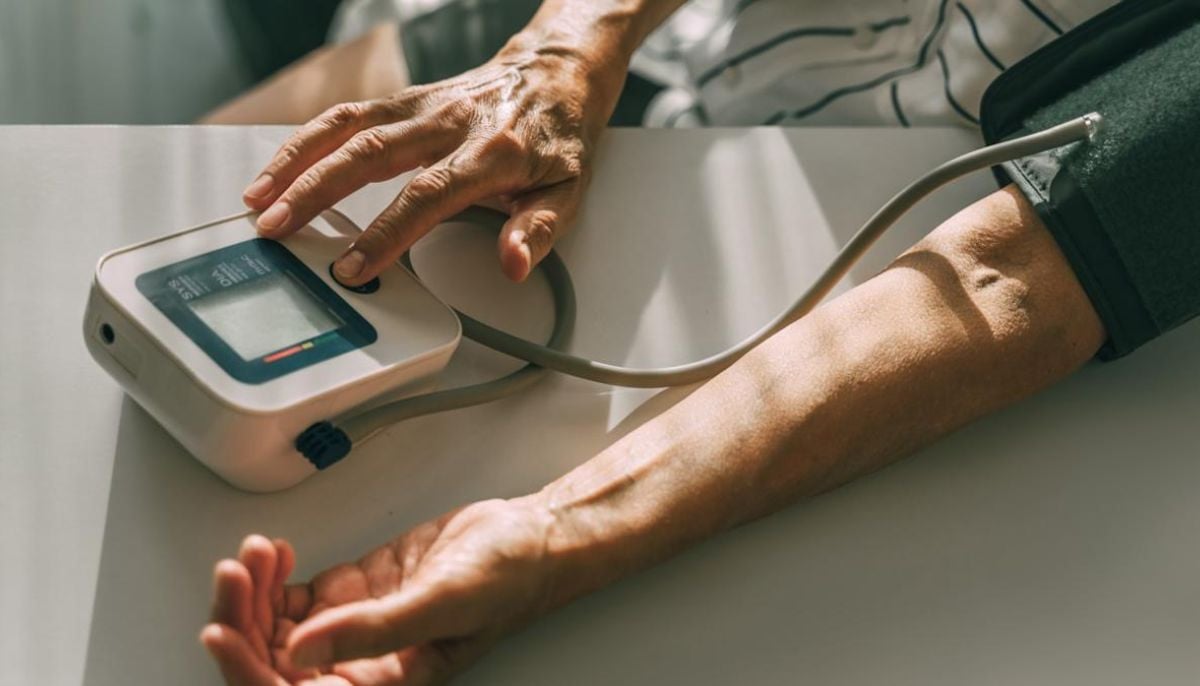
The way you start your morning could have a lasting impact on your heart health, with doctors cautioning that everyday habits may quietly strain arteries and increase cardiovascular risks over time.
Dr. Akash Motgi, a consultant interventional cardiologist, says the body undergoes significant changes in the early hours, including a rise in blood pressure and stress hormones as it transitions from rest to activity. While natural, certain habits can intensify this effect.
“Regular exposure to seemingly minor but unhealthy triggers can harden arteries, encourage plaque build-up, and elevate heart disease risk,” he explained.
Among the key concerns is skipping breakfast, which can disrupt metabolism and lead to unhealthy blood sugar spikes later in the day.
Similarly, consuming processed or high-salt foods in the morning may raise blood pressure and place additional stress on the cardiovascular system.
Doctors also warn against consuming excessive caffeine on an empty stomach, as it can temporarily increase heart rate and blood pressure.
Smoking immediately after waking is another high-risk habit, as nicotine constricts blood vessels and accelerates arterial damage.
Physical inactivity in the morning is also linked to reduced blood flow and increased arterial stiffness. Experts recommend even light activity to improve circulation.
Hydration plays a crucial role as well. After several hours without fluids during sleep, delaying water intake can thicken the blood and increase strain on blood vessels.
Finally, starting the day under stress—whether from rushed routines or immediate screen exposure—can elevate cortisol levels, negatively affecting blood pressure and vascular health over time.
Experts advise simple changes such as eating a balanced breakfast, staying hydrated, engaging in light exercise, and managing stress.
They also stress the importance of regular health check-ups, particularly for individuals with conditions like hypertension or diabetes.