Home / Technology
Apple's promotion of chief Johny Srouji fuels push for in-house chip manufacturing
Apple officially appointing hardware leader John Ternus as its CEO earlier this week
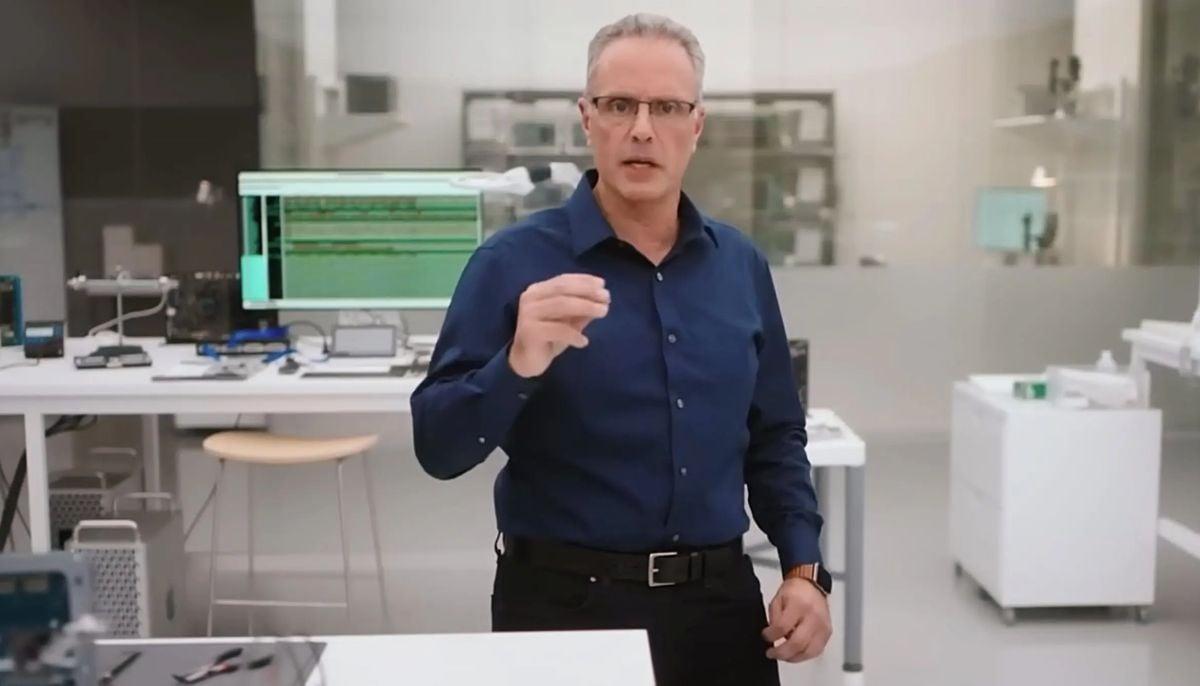
After officially appointing hardware leader John Ternus as its CEO earlier this week, Apple revealed another key decision that might equally influence the company's path forward.
Johny Srouji, overseeing Apple's proprietary chip creation, will step into Ternus's previous role as hardware leader.
Srouji's title will now be chief hardware engineer, effective immediately. Ternus will step into the CEO position on September 1.
As Apple advances with its plan to develop all chips internally for products like iPhones, Macs, and AirPods, Ternus and Srouji emerge as a powerful duo.
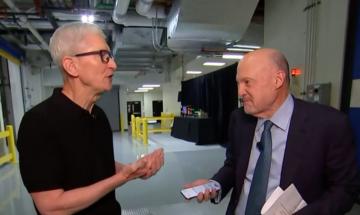
This initiative, long in progress, helps integrate hardware with software seamlessly, catering to specific features while managing computing power effectively, as the two leaders shared with CNBC in 2023.
"Since we don't sell chips externally, our main focus is product optimization," Srouji expressed at the time. "The scalable design allows us to share components across various items."
In December, Srouji rejected speculations of his departure amidst other executives' exits.
His new position highlights Apple's dedication to a robust silicon plan, which gains importance as AI technology becomes more essential in devices.
Under Srouji's supervision, Apple has begun manufacturing more types of chips, minimising dependence on companies like Intel, Qualcomm, and Broadcom.
Though Ternus was seen as the lead candidate to succeed Cook, who turned 65 last November, securing Srouji is viewed as an equally vital move by numerous analysts.
"We regard Srouji's promotion to Chief Hardware Officer as the most positive development from Apple," analysts from Oppenheimer commented on Tuesday. "Apple not only retains a top-tier chip designer but also bolsters its cohesive silicon/hardware/software approach."
After gaining experience at Intel and IBM, Srouji joined Apple in 2008, soon after the initial iPhone, featuring a Samsung-made core processor, debuted.
A month into Srouji’s tenure, Apple acquired startup P.A. Semiconductor for $278 million, setting the stage for future advancements.
In 2010, Srouji and his group introduced the first custom processors for iPhones. Personalised silicon is trending in tech as giants like Google, Amazon, Meta, Microsoft and Tesla develop in-house AI chips to reduce reliance on Nvidia's pricey and rare graphical components.
For cloud operations, Apple depends on Google's tensor processing units (TPUs), instead of Nvidia’s offerings.