Home / Lifestyle
How to identify physical signals of body rejecting unhealthy romantic connections
An expert suggests that internal strain manifests through gut health and sleep disruptions
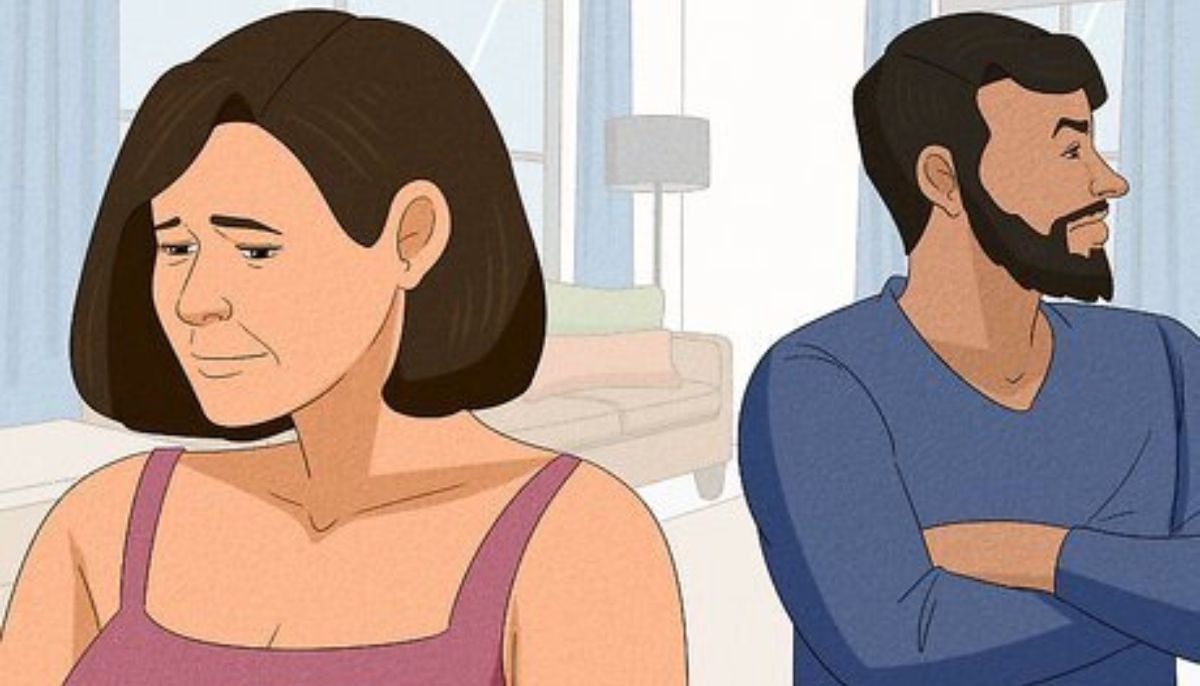
The body possesses profound methods of signalling when a connection is no longer healthy. Beyond common symptoms like fatigue or headaches, these warnings can extend into the physical rejection of a partner.
In a significant social media discourse initiated on 19 April, Lex Hoff, a content creator focused on self-love, prompted women to share how their bodies "rejected" someone they were dating.
The response was overwhelming, with over 5,000 women describing "feral" and serious physiological reactions that occurred during unhealthy situationships or long-term commitments.
Bizarre experiences of some women
Physiological reactions
The accounts provided by participants highlighted a range of severe and unusual physical responses that often ceased immediately after the relationship ended. These included:
- Involuntary sleepwalking specifically when staying at a partner's residence.
- Development of lifelong autoimmune diseases or recurring kidney infections.
- Chronic yeast infections or bacterial vaginosis that required weekly medical visits.
- Complete loss of the menstrual cycle for years or, conversely, non-stop bleeding.
- Serious stress-induced conditions, including reports of stage four Hodgkins Lymphoma and metastatic cervical cancer.
- Physical injuries and ailments such as back pain, gastritis, and ulcerative colitis.
Psychological reactions
Emotional connections also triggered profound psychological shifts and bizarre physical compulsions.
"I was bitter and cold to like everyone," one individual shared, noting that life became brighter only after the breakup. Other reported reactions included:
- Crippling anxiety and panic attacks that inhibited basic functioning.
- Sudden physical allergies to wedding rings, resulting in blistered skin.
- Compulsive hygiene habits, such as showering three times a day to remove feelings of overstimulation.
- Drastic shifts in skin and hair health, including excessive sebum production.
Please Note: This information is for educational purposes only and does not count as professional advice. Readers should always consult a qualified doctor regarding any questions about their health or a medical condition.