Home / Lifestyle
How to identify oral warning signs indicating potential colorectal cancer risks
Expert highlights that gum disease history indicates years of elevated microbial exposure
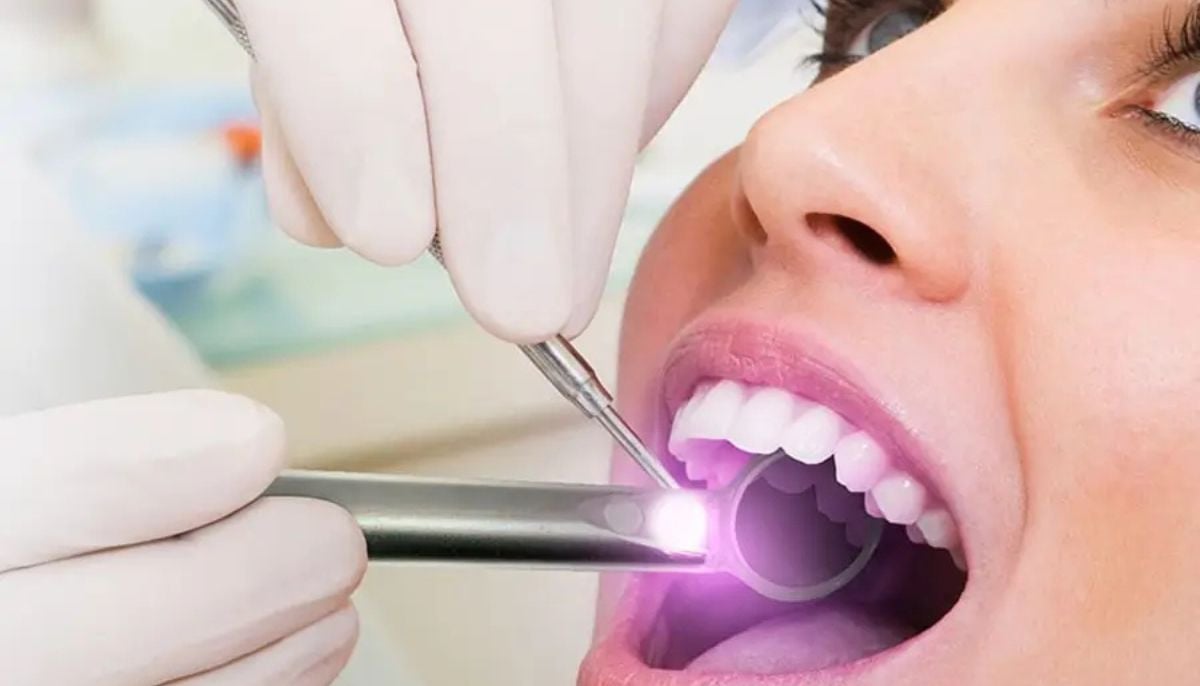
Regular dental check-ups are often overlooked, yet they serve as a vital window into a person’s systemic health.
Dr Mark Burhenne, a San Francisco-based dentist with four decades of experience, recently addressed how oral health can predict colorectal cancer risk.
In an Instagram post shared on Thursday, he cited a meta-analysis of sixteen million people showing that gum disease is associated with a 21 per cent increased risk of colon cancer.
This connection is driven by oral bacteria, specifically Fusobacterium nucleatum, which can travel from the mouth down to the large intestine.
Identifying the symptoms
When bacterial infections persist in the mouth, they can migrate through the oesophagus to infect the lower gut.
Dr Burhenne identified six critical signs inside the mouth that act as early warnings for the presence of harmful microorganisms:
- Bleeding gums: A sign of chronic bacterial inflammation linked to systemic risk.
- Persistent bad breath: An indicator of bacterial growth beyond poor hygiene.
- Inflamed gums: Sustained swelling that suggests a driving connection to cancer risk.
- Receding gums: Evidence of years of microbial imbalance and pathogenic exposure.
- Heavy tartar buildup: Calcified films that protect microbes from the immune system.
- History of gum disease: A marker of elevated systemic exposure over many years.
The restorative pathway
The mouth serves as the entrance to the digestive tract, and what lives there does not always stay there. Dr Burhenne emphasised that any man over fifty who is overdue for a colonoscopy should pay particular attention to these dental markers.
By identifying these signs early, individuals can initiate essential screening conversations with their gastroenterologists.
Maintaining a healthy oral microbiome and addressing gum disease promptly can reduce the risk of infection further down the alimentary canal.
"This screening conversation needs to happen," the dentist warned, highlighting that oral care is a fundamental component of long-term preventative health.
Please Note: This information is for educational purposes only and does not count as professional advice. Readers should always consult a qualified doctor regarding any questions about their health or a medical condition.