Home / Technology
THIS startup aims to create an army of humanoid robot soldiers
Sankaet Pathak believes in deploying humanoid robots to active zones rather than using in people's homes
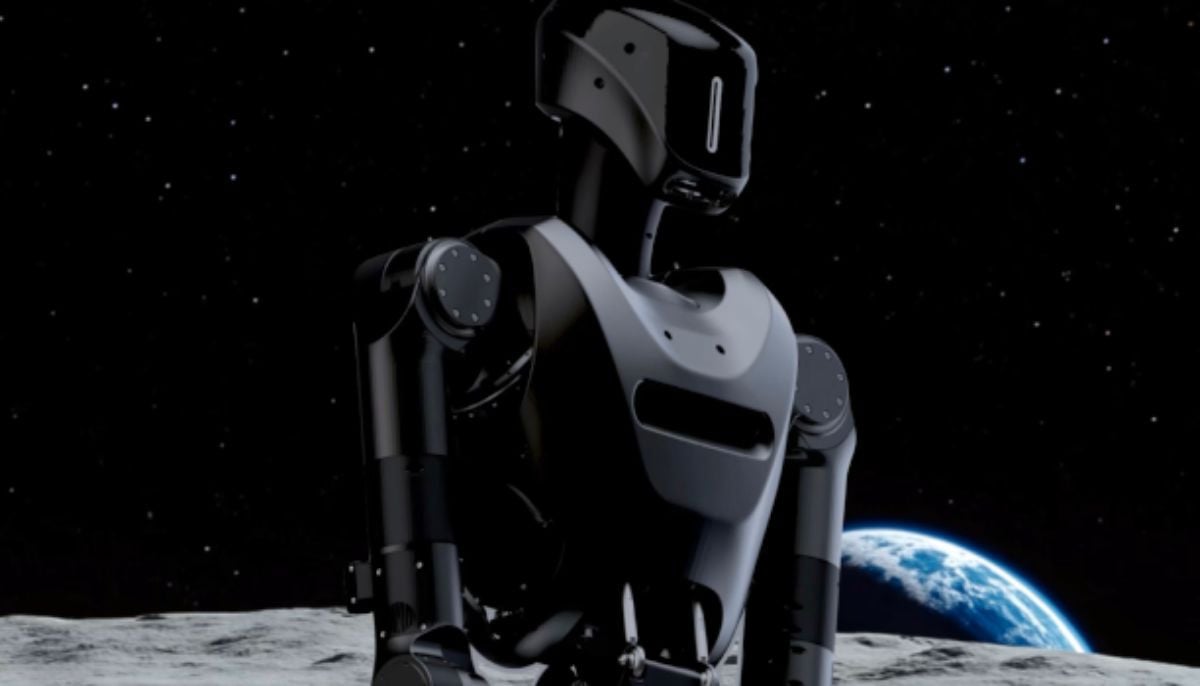
Humanoid robots instead of human soldiers might take on some of the riskiest wartime roles in the future — and a startup is already trialing this concept in Ukraine.
Sankaet Pathak, cofounder and CEO of Foundation, believes strongly in deploying humanoid robots to active zones rather than using them in people's homes.
"I found the whole notion of robots for domestic purposes a bit silly," Pathak expressed to Business Insider. "In my opinion, humans can brew coffee and handle their laundry. I thought, 'We need a new direction.'"
Breakthroughs in drone technologies and robotics now play essential roles in contemporary warfare, facilitating precise strikes that are more economical; however, these advancements haven't always achieved entirely risk-free operations.
In this era of intelligent weaponry and AI-driven systems, modern warfare still poses a notable danger of civilian harm, especially in densely populated areas.
Pathak commented that current wartime strategies often rely on "excessive force," risking soldier safety or demolishing a building just to neutralize a lone target.
He foresees humanoids conducting "precise" operations in the future, like extracting a target. In the short term, they could assist with missions such as scouting and logistics.
Foundation recently executed a test that might lead to these kinds of deployments.
This past February, the startup dispatched two of its Phantom robots to a discreet location in Ukraine for a closed pilot exercise.
"The sounds of war are present. Power outages occur. It truly is a conflict zone," Pathak described of Foundation's time in Ukraine, which has been resisting a Russian invasion for several years. "The majority of the regions turn into battlegrounds once you're outside Kyiv."
The CEO explained that the Phantom trial was centered around "supply retrieval" to show that bipedal robots can successfully "transport goods from outside to inside without risking a soldier's life."
The demonstration generated "considerable interest based on what was shared," according to Pathak.
A Foundation representative stated that the company has landed a $24 million deal with the Pentagon. Eric Trump, the president's offspring, joined as chief strategy advisor in March.
Pathak indicated he didn't want to "exaggerate" the Ukrainian demonstration. A significant gap persists between a humanoid capable of methodically tidying up a trial area and one capable of using an M4 rifle in an actual combat scenario.
Limitations such as battery longevity and resilience are prevalent. Pathak highlighted that robotic soldiers require extended battery life and the ability to endure harsh conditions such as water, dust, and shocks.
Dependable manipulation — enabling a robot to grasp an item and perform tasks with it, such as firing a weapon — is also a substantial technological challenge.
"Presently, the main engineering challenge is crafting a highly-skilled hand that is reliable, easy to produce, not too bulky, and affordable," Pathak commented.
The CEO offered bold prospects for surmounting these barriers, expressing that essential engineering issues could be resolved within several years, and humanoid robots might undertake intricate missions, like target extractions, within the next five to ten years.
Besides technical queries, there are ethical questions about autonomous weaponry, including the concern of responsibility when human oversight is absent.