Home / Lifestyle
Colorectal cancer trends worsen among youth as experts call for urgent screening
A new study shows colorectal cancer deaths are rising fastest among adults aged 20 to 44
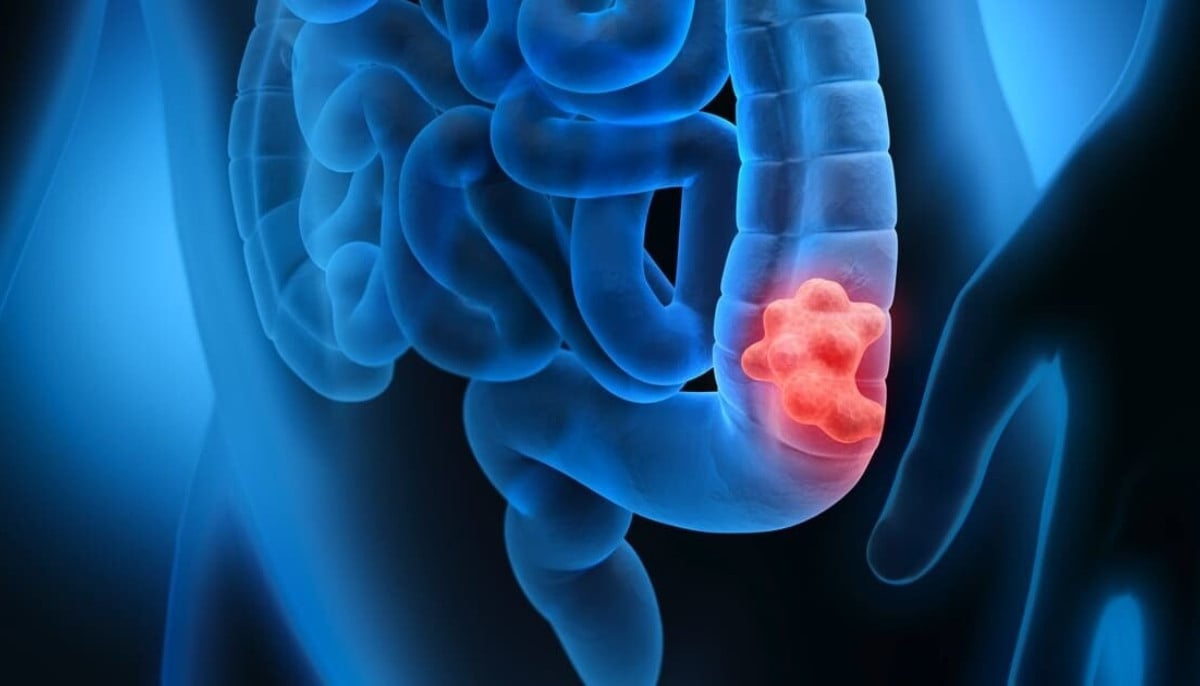
Colorectal cancer deaths among younger adults are rising at an alarming rate, with experts warning that delayed diagnosis and shifting disease patterns could worsen outcomes in the coming decade.
A new study presented at Digestive Disease Week 2026 in Chicago found that mortality rates linked to colorectal cancer are increasing significantly faster than those for colon cancer alone, particularly among adults aged 20 to 44.
Researchers analyzed data from the Centers for Disease Control and Prevention covering 1999 to 2023, using machine learning models to track long-term trends.
The findings show a widening gap between colon and rectal cancer deaths across multiple demographics.
The study also highlighted that rectal cancer mortality among people aged 35 to 44 is expected to continue rising through 2035 if current trends persist.
Hispanic populations and individuals in western regions of the United States were found to be experiencing sharper increases in deaths linked to rectal cancer.
Experts say one of the most concerning factors is delayed diagnosis in younger patients.
While older adults are typically diagnosed and begin treatment within a month, younger patients often face an average delay of up to seven months—allowing the disease to progress to more advanced stages.
Rachel Gordon, a New York-based colorectal and general surgeon at Episcopal Health Services, warned that the disease is increasingly appearing at younger ages and in more aggressive forms.
“Young people are being diagnosed with rectal cancers at increasingly younger ages and often at more advanced, aggressive stages of disease,” she said.
Symptoms such as rectal bleeding or changes in bowel habits are frequently overlooked or dismissed as minor issues, contributing to late detection and poorer outcomes.
Researchers also pointed to potential contributing factors, including dietary changes and shifts in the gut microbiome, though they emphasized that further study is needed to fully understand the causes behind the trend.
Health experts are urging increased awareness and earlier screening, stressing that without timely intervention, rising rectal cancer rates could continue to drive overall increases in colorectal cancer deaths among younger populations.