Home / Lifestyle
Doctor reveals easy 3-3-3 formula: A simple guide to managing high blood pressure at home
The approach focuses on diet changes, daily habits and weekly health monitoring
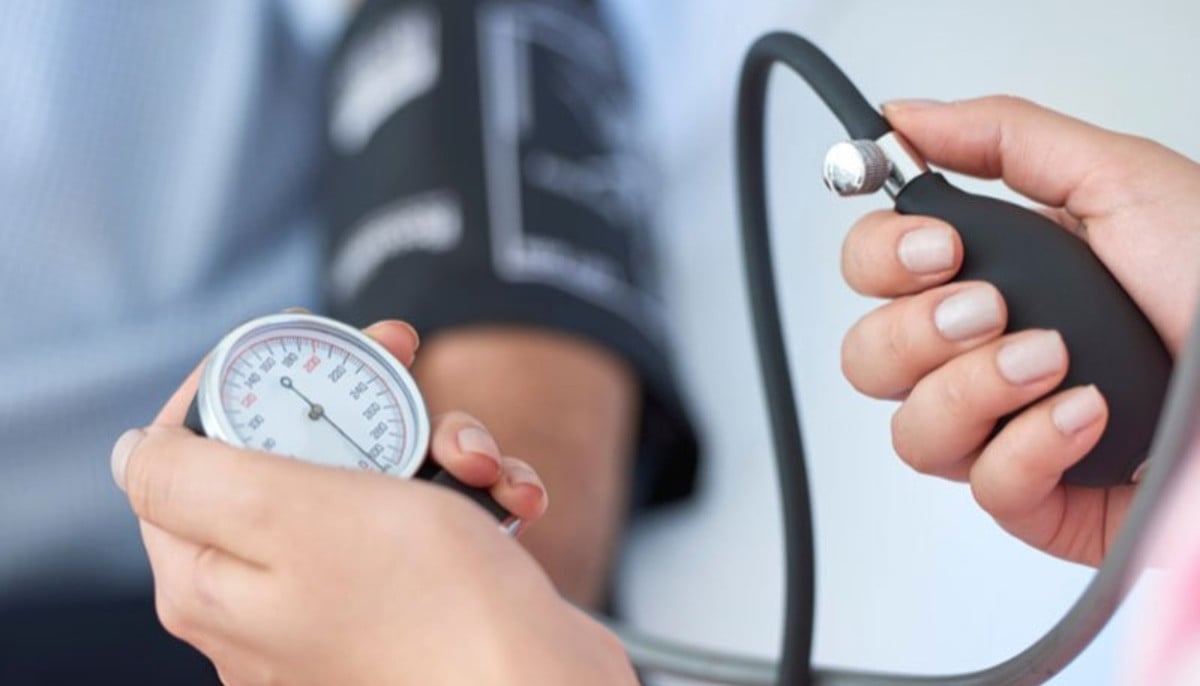
High blood pressure affects millions worldwide, but managing it could be simpler than you think. A doctor has shared an easy-to-remember framework that focuses on crucial lifestyle changes beyond just cutting out salt.
High blood pressure is one of the most common chronic conditions facing people today, but alongside medication, simple lifestyle practices can play a huge role in keeping it under control. For many, generic advice like 'eat less' and 'exercise more' is too broad to follow consistently.
Recognising this, one doctor has proposed a new, structured approach to empower patients to make meaningful changes.
Dr Gagandeep Singh, founder of the Redial Clinic, has shared a '3-3-3 formula' for BP control, after noticing a growing trend of patients relying heavily on medication while neglecting their lifestyle. His method provides a clear, memorable path for taking charge of your health.
Why salt might not be the only enemy
According to Dr Singh, the battle against high blood pressure, particularly in certain populations, may be more complex than simply reducing salt intake.
He points to metabolic dysfunction and insulin resistance as significant underlying factors that are often overlooked. This perspective is crucial in a country like India, where reports show hypertension is the most common component of metabolic syndrome, a cluster of conditions that increase the risk of heart disease.
He explained how this process affects the body. "When cells stop responding properly to insulin, the body retains sodium and water, blood vessels stiffen, and the sympathetic nervous system stays switched on," he said. "You can cut salt aggressively and not move the needle if the underlying metabolic dysfunction is left untreated." This highlights why a more holistic approach is needed, one that tackles the root cause rather than just the symptoms.
Breaking down the 3-3-3 formula
The '3-3-3 formula' is a practical plan divided into three simple categories, each containing three key actions focused on diet, daily habits, and weekly monitoring.
The three dietary changes to make now
This part of the formula focuses on what to remove from your diet to directly combat insulin resistance. The first step is to cut out all sugary drinks, which are a primary source of empty calories and sugar. The second is to eliminate refined carbohydrates, such as white bread, biscuits, and pasta, which can spike blood sugar levels. Finally, the third change is to avoid ultra-processed foods, which are often packed with unhealthy fats, sugar, and sodium, contributing to poor metabolic health.
The three activities to start today
Movement is key, but the formula advocates for a balanced mix of activities. The first is to incorporate 30 to 40 minutes of resistance or strength training three times a week to build muscle and improve metabolic function.
The second habit is to break up long periods of sitting by getting up and moving for a few minutes every hour. This simple act can have a profound impact on your overall health. The final activity is to practise five to ten minutes of slow breathing exercises daily to help manage stress and calm the nervous system.
The three weekly health checks
To stay motivated and track progress, the formula suggests three simple checks each week. The first is to monitor your blood pressure at home to understand how your body is responding to the changes. The second is to check your waist-to-height ratio, with the goal of keeping your waist measurement less than half your height. This is a key indicator of visceral fat, which is linked to metabolic issues. The third check is to monitor your sleep, aiming for a minimum of seven hours a night, as poor sleep can significantly impact blood pressure.
This simplified framework offers a clear and actionable plan for those struggling to manage their blood pressure. Dr Singh emphasises that the formula is designed to complement prescribed medical treatment, not replace it, by empowering patients to make sustainable lifestyle improvements.