Home / Lifestyle
Can diet affect libido? experts explain what science really says
Long-term eating habits may influence hormones, circulation, and sexual health
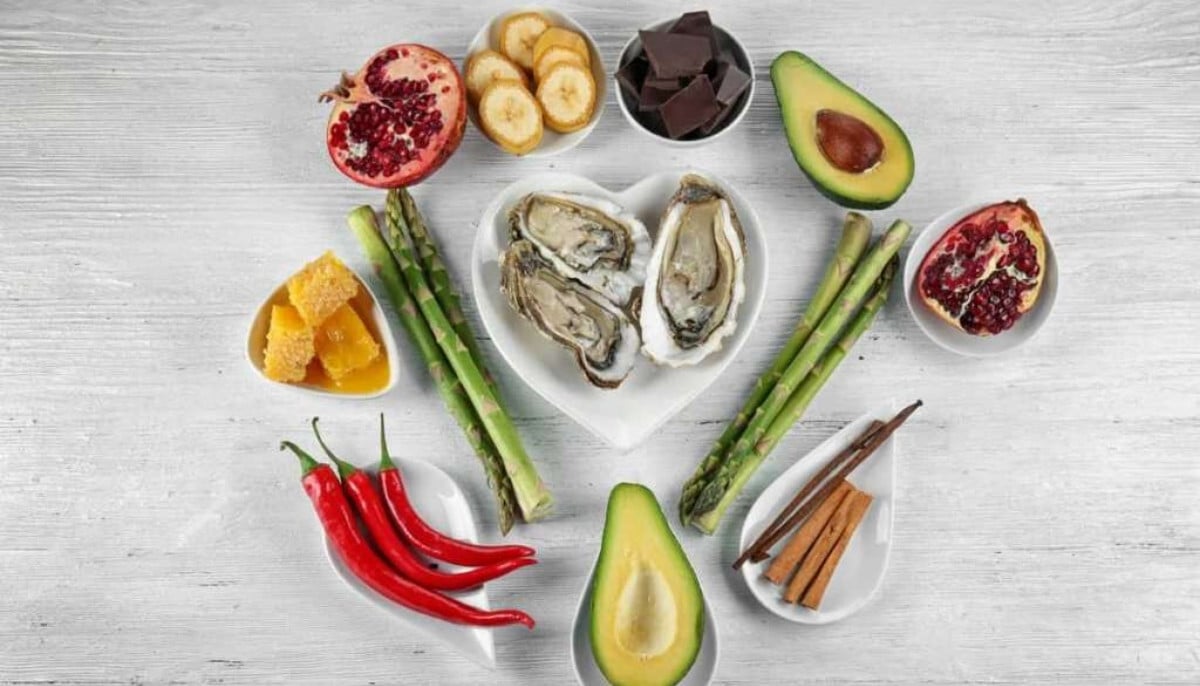
A healthy diet may play a meaningful role in supporting sexual health, but experts emphasize that no single food can instantly boost libido. Instead, research suggests that overall eating patterns rather than “aphrodisiac” foods are what matter most.
According to medical experts cited in recent research, libido is influenced by a combination of hormones, circulation, stress levels, and general metabolic health, all of which can be affected by long-term dietary habits.
Diet and libido: what science actually says
Specialists note that popular foods often labeled as aphrodisiacs, such as chocolate or oysters, are more culturally symbolic than medically proven to cause immediate changes in sexual desire.
“While some have biologically plausible mechanisms, most instant aphrodisiacs work more through psychological expectation than physiology,” said Justin Houman.
Similarly, Jennifer Choe explained that no single food can rapidly increase libido, but a nutrient-rich diet can support sexual wellness over time.
Foods linked to sexual health support
Experts highlight several food groups that may indirectly support libido by improving blood flow, hormone balance, and energy levels.
Oysters are one of the most well-known examples due to their high zinc content, a mineral involved in testosterone production and reproductive health.
Watermelon, which contains citrulline, may help relax blood vessels and support circulation.
Fatty fish such as salmon and sardines provide omega-3 fatty acids that support cardiovascular health and hormone function, while nuts and seeds supply zinc, magnesium, and healthy fats associated with stress reduction and hormone production.
Lifestyle and eating habits also matter
Beyond individual foods, experts stress that overall dietary patterns are more important than specific ingredients.
Diets rich in fruits, vegetables, whole grains, legumes, and healthy fats—such as the Mediterranean diet have been linked to improved sexual health in both men and women.
At the same time, poor eating habits may have the opposite effect. High intake of processed foods, sugar, and refined carbohydrates may contribute to insulin resistance and hormonal imbalance, potentially lowering libido over time.
Lifestyle factors also play a role. Excess caffeine can increase stress hormones in some individuals, while heavy alcohol use has been linked to sexual dysfunction and reduced hormone levels.
When low libido may be a concern
Experts recommend speaking with a healthcare provider if low libido persists for several months, particularly if it is accompanied by fatigue, mood changes, or other physical symptoms.
Medical evaluation may include hormone testing and assessment of psychological or relationship factors, as low libido can stem from a range of interconnected causes rather than a single issue.
Ultimately, clinicians emphasize that sexual wellness is closely tied to overall health, and improvements typically come from long-term lifestyle balance rather than quick dietary fixes.