Tom Brady ribs Bill Belichick and Eli Manning during lighthearted graduation address
The NFL legend described Belichick as a 'cranky old coach' who constantly pushed him
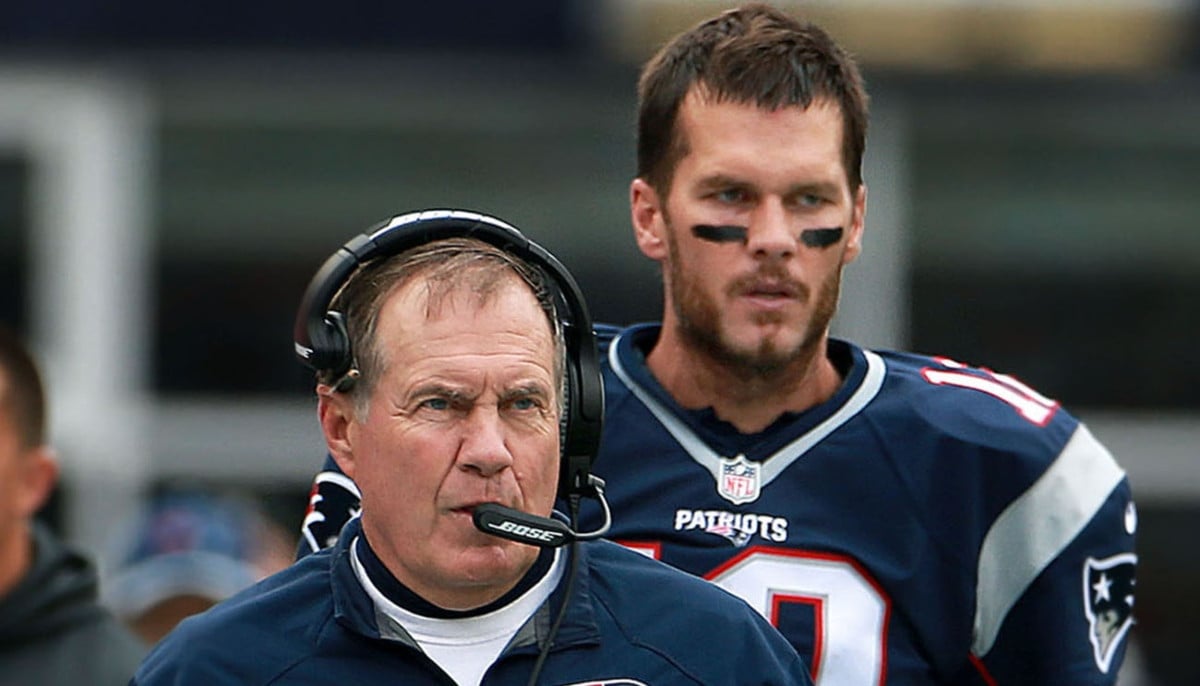
Tom Brady brought humor and nostalgia to Georgetown University’s business school graduation ceremony on May 16, using his commencement speech to jokingly reflect on his two decades under legendary New England Patriots coach Bill Belichick.
The retired NFL quarterback, 48, playfully described Belichick, 74, as a “cranky old coach” who routinely criticized him throughout their 20-season partnership.
“I usually don’t do well with compliments. I had a coach for 20 years tell me how s---ty I was every day,” Brady told graduates, drawing laughter from the audience.
Brady and Belichick formed one of the most successful coach–quarterback duos in NFL history, winning six Super Bowls together during their time with the Patriots.
He continued his jokes later in the speech, referencing Belichick’s famously casual sideline style.
“Even if one of those people is a cranky old coach who cuts the sleeves off his sweatshirt and screams at you all day, ‘Do your job,’” Brady said, before adding, “Okay that’s too specific.”
Brady also took a lighthearted jab at former New York Giants quarterback Eli Manning while reflecting on his own Super Bowl record.
“Twenty-three, that was the number of pro seasons I played. Seven, those were my Super Bowl wins… Three, those were the Super Bowl losses. Damn it, Eli Manning,” he joked, as the crowd laughed.
Despite the humor, Brady centered much of his address on resilience and perseverance, urging graduates to embrace failure and push through setbacks.
He revisited the Patriots’ historic Super Bowl LI comeback against the Atlanta Falcons, when New England overcame a 28–3 deficit to win 34–28 in overtime.
“At that moment, we had no idea what the outcome of the game would be, but the one thing I’ve learned through sports is the only time you’re sure to lose is when you quit,” he said.
Brady also reflected on the broader lesson behind that victory, emphasizing that even when outcomes seem uncertain, persistence defines success more than results.
“The only thing worse than losing the biggest game of your life is losing respect for yourself along the way,” he told graduates.