From doomscrolling to burnout, why mindfulness meditation is gaining ground among professionals
Psychiatrists and wellness experts say mindfulness helps people break stress patterns in an always-online world
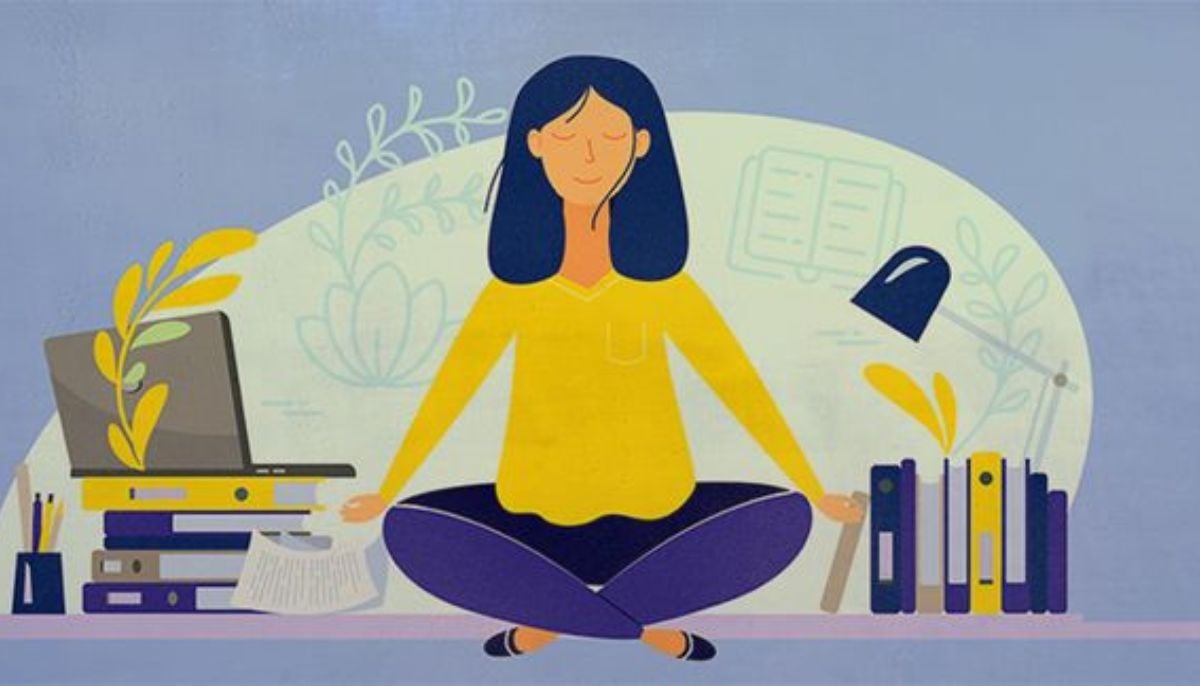
From relentless notifications and prolonged working hours to the eye strain that comes with constant screen exposure, working professionals today are grappling with mental exhaustion and emotional burnout at an unprecedented scale.
As conversations around stress and wellbeing continue to grow, mindfulness meditation is becoming an increasingly common fixture in daily routines for those seeking better cognitive health.
A nervous system under constant pressure
Many mental health experts argue that modern lifestyles keep the nervous system in a near-permanent state of alertness.
Between multitasking, doomscrolling and workplace pressure, genuine mental stillness has become a rarity for many people.
According to psychiatrist and mindfulness researcher Dr Judson Brewer, mindfulness can help individuals become more aware of stress patterns and automatic habits linked to anxiety.
Meditation teacher and psychologist Tara Brach has similarly spoken about mindfulness as a means of remaining emotionally present during stressful moments, rather than feeling consumed by them.
Why mindfulness feels relevant today
Unlike older forms of meditation that can feel daunting for beginners, mindfulness is often straightforward and accessible. Practices can include focusing on the breath, observing thoughts without judgment, or taking a few quiet minutes away from screens.
Experts note that many professionals are now turning to these techniques not for spiritual reasons, but for emotional balance and nervous system regulation.
The growing interest also reflects a broader cultural shift in which well-being is increasingly less about productivity and more about building emotional stability into everyday life.
Simple ways to manage stress and burnout
Wellness experts suggest incorporating the following into daily routines as a starting point: five-minute breathing exercises, guided meditation videos or podcasts, mindful walking, and screen-free mornings. Even brief moments of stillness, they say, may improve focus, emotional awareness and sleep quality over time.
Gen Z and millennials lead the way
Younger audiences — particularly Gen Z and millennials — are exploring mindfulness in growing numbers, often through podcasts, social media and wellness content creators.
Experts say many people are actively seeking healthier ways to process emotional overload in an always-online world.
Mindfulness is also becoming more mainstream within professional environments, with companies introducing dedicated meditation sessions, wellness breaks and mental health initiatives to support employees.
As mindfulness continues to grow beyond traditional wellness spaces, many professionals are beginning to view it not as an escape from reality, but as a practical tool for feeling calmer, more focused and more emotionally grounded in daily life.