Love is Blind UK stars claim welfare workers shared their secrets with show's producers for storylines
Catherine Richards says she felt like a puppet as cameras arrived after she confided in the welfare team
- Love is Blind UK stars allege welfare workers passed confidential details to producers for storylines
- CPL Productions says welfare processes were clearly communicated and independently delivered throughout filming
- A contestant stranded on Honeymoon Island said she felt suicidal and had to fight for adequate aftercare support
Two stars from Love is Blind: UK have alleged that welfare workers on the Netflix series were not sufficiently independent from producers to act in participants' best interests — adding to growing concern in Britain about reality television welfare standards following a Married at First Sight scandal.
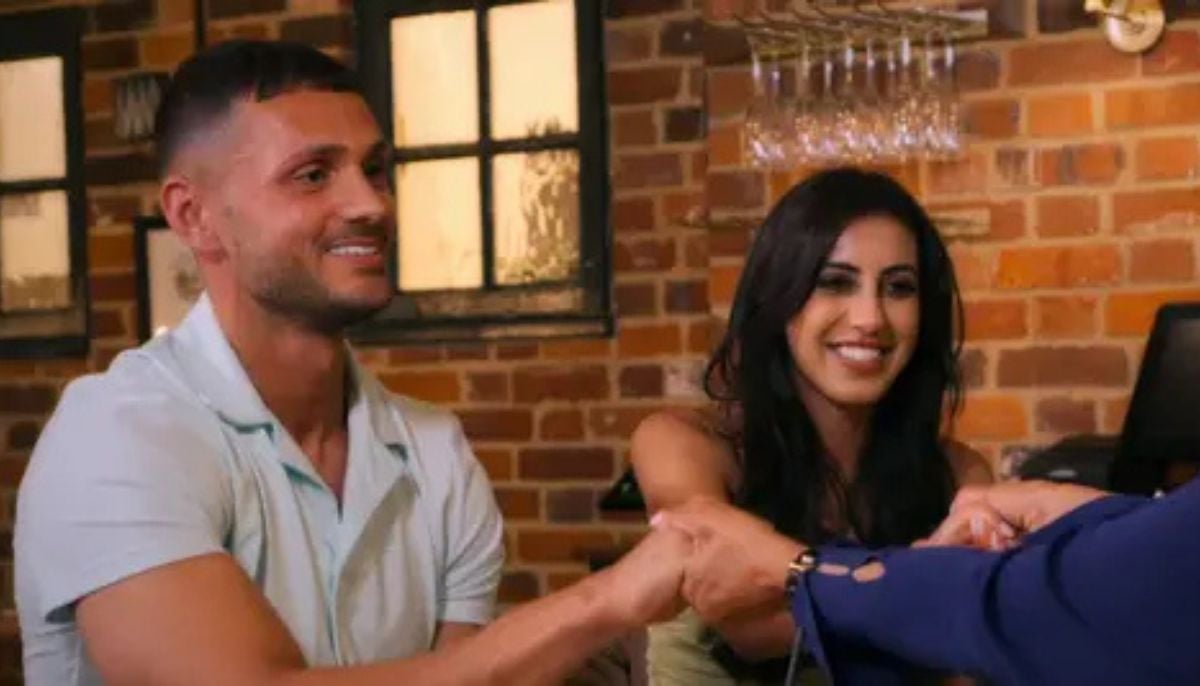
Catherine Richards and Jake Singleton-Hill, both from Season 1, claim welfare staff shared confidential information with production teams to generate storylines. "We're puppets to them," Richards told Deadline.
"They say [there is] welfare, but it's not welfare. They work for production, and they need storylines." Singleton-Hill added: "My experience of welfare was that they make you feel like it's a safe space, but they use it as ammunition."
CPL Productions, which makes both Love is Blind: UK and the UK version of Married at First Sight for Channel 4, maintained that welfare processes were clearly communicated to all contributors and independently delivered throughout production.
Netflix stated that contributor wellbeing is "paramount" and that robust protocols are consistently reviewed and improved.
Taniae Wong, a contestant on CPL's BBC series Stranded on Honeymoon Island, said she suffered a mental health breakdown and felt suicidal after filming. She said she had to fight for support, though once production recognised the severity of her situation, she "could not fault" the aftercare provided.
Former Love Island contestant Sharon Gaffka wrote in The Guardian that welfare teams remain "embedded within production structures," creating an unavoidable conflict of interest.
She argued that safeguarding must become "entirely independent from production and commissioning."