Your midnight bowl of ramen is far more harmful than you ever realised
A cardiologist has warned that eating instant noodles late at night can seriously harm your heart health
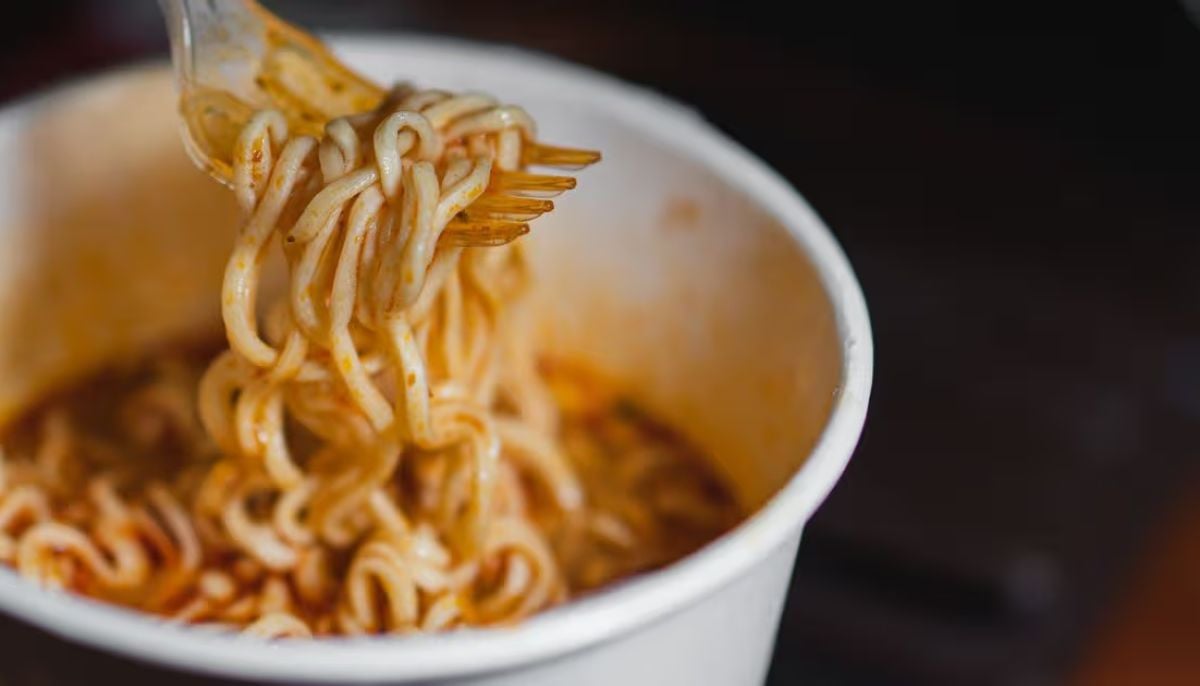
That late-night craving for a warm bowl of instant noodles might feel like a harmless indulgence, but according to a leading cardiologist, it could be quietly taking a serious toll on your body — particularly when it becomes a regular habit.
What a cardiologist says
Dr Ayan Kar, consultant in interventional cardiology at Narayana RN Tagore Hospital, Narayana Health, Kolkata, has outlined the potential health consequences of regularly reaching for instant noodles in the middle of the night, raising particular concern about the impact on blood pressure, sleep quality, and metabolic health.
What is actually inside that packet?
Even a small serving of instant noodles carries a surprisingly heavy sodium load, largely concentrated in the seasoning sachet.
"A single serving of instant noodles contains between 800 to 1,200 mg of sodium, mostly in the seasoning. The WHO recommended daily limit for an adult is under 2,000 mg. One late-night bowl can push the body close to, or past, that limit in a single sitting.
"Sodium causes the body to retain water. More water in the bloodstream means more pressure on the blood vessels. So, the heart works harder and blood pressure rises," Dr Kar explained.
For those already living with high blood pressure or a family history of heart disease, the risks are even more pronounced.
Four ways nighttime makes it worse
The concern is not only about what is in the bowl, but when it is eaten. Dr Kar identified four specific reasons why consuming high-sodium instant noodles after midnight poses a greater risk than eating the same meal earlier in the day.
The first is nocturnal dipping — a natural overnight reduction in blood pressure that allows the heart and blood vessels to rest and recover. "Nocturnal dipping gives the heart and blood vessels time to recover. A high-sodium meal eaten late disrupts this window," Dr Kar noted.
The second involves kidney function. "The kidneys filter excess sodium, but they do this more slowly at night. So, the same amount of salt eaten at midnight stays in the system longer than it would at lunch. Hence, the effect on blood pressure is stronger and lasts longer," he said.
The third relates to blood sugar. Insulin sensitivity is already reduced at night, meaning a high-carbohydrate meal consumed after midnight can provoke a significantly larger glucose and insulin response than the same food would during the day.
The fourth concern is sleep disruption. Beyond the discomfort of a heavy late meal, Dr Kar highlighted the effect on melatonin — the hormone responsible for regulating both sleep and insulin secretion — which can be thrown off balance by eating at night.
What you might feel the next morning
The consequences of a sodium-heavy midnight meal do not necessarily stay contained to the night itself. Dr Kar warned that persistent late-night eating, particularly of high-sodium foods consumed after 10PM, may contribute to morning headaches, waking fatigue, and elevated blood pressure readings at routine health checks.
Healthier alternatives for midnight hunger
Rather than reaching for instant noodles, Dr Kar suggests a range of gentler options for those who find themselves hungry late at night.
These include a small bowl of plain dal, which is easy to digest; roasted makhana, which is low in sodium and surprisingly satisfying; a banana with a handful of unsalted nuts; warm milk with turmeric or a cup of chamomile tea; or a slice of wholemeal bread with a thin spread of peanut butter for something more substantial.
A total ban on instant noodles is not necessary, but making them a nightly ritual — particularly after 10PM — is something Dr Kar strongly advises against. If noodles are eaten at all, portions should be small and sodium and sugar content kept as low as possible.
Note to readers: This article is for informational purposes only and not a substitute for professional medical advice. Always seek the advice of your doctor with any questions about a medical condition.