Why older adults often feel colder than others? Expert reveals
Age-related changes in thermoregulation explain why seniors are more sensitive to cold
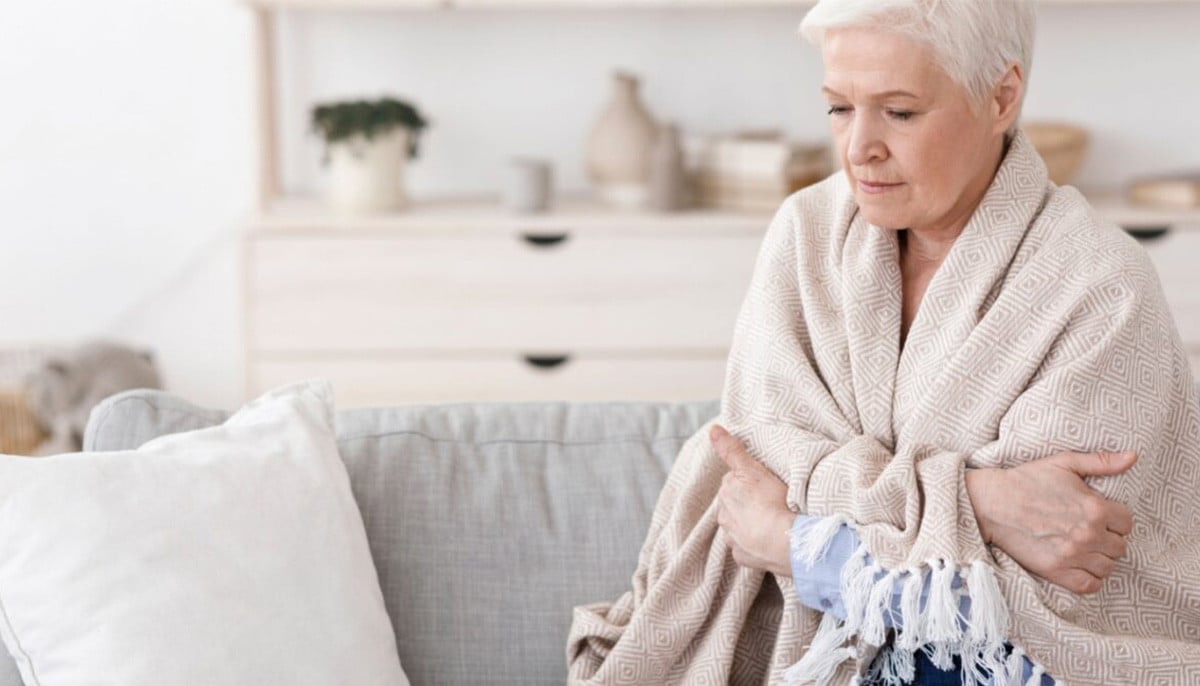
It’s common to notice that older adults feel colder than those around them. Even when the room temperature is comfortable for most, seniors may reach for a shawl or sweater. While this is often attributed to ageing, the science behind it goes deeper. Age-related changes in thermoregulation explain why seniors are more sensitive to cold.
How does the body lose efficiency in producing heat?
Senior consultant geriatrician Dr. Ritika Reddy at Geri Care explained the science and shared lifestyle measures that can help ease the discomfort.
The Science Behind Seniors Feeling Cold
Dr. Reddy highlighted that the biggest reason is a combination of factors that slow down the body’s natural heat production.
Metabolism slows down: Metabolism, which converts food into energy and heat, becomes less active with age.
Loss of muscle mass: Muscles generate warmth, so reduced muscle mass means the body produces less heat.
Circulation changes: Blood vessels lose flexibility over time, making it harder for warm blood to reach the hands, feet, and skin surface.
Less responsive thermostat: The body’s internal temperature regulator becomes less effective, making it harder to adjust to changes.
Thinning skin and reduced fat: With age, the insulating layer of fat beneath the skin diminishes, reducing the body’s ability to retain warmth.
When Cold Sensitivity Signals Health Concerns
Persistent cold sensitivity should not always be dismissed as a normal part of ageing. It can indicate deeper health problems such as:
- Anemia
- Hypothyroidism
- Diabetes
- Poor nutrition
- Heart disease
Certain medications, especially those for blood pressure or heart conditions, may also reduce blood flow and increase chilliness. Dr. Reddy emphasized that sudden or prolonged cold intolerance should be evaluated by a doctor rather than assumed to be age-related.
Practical Habits to Stay Warm
If the sensitivity is primarily age-related, adopting a few habits can help manage it:
- Wear layered clothing
- Stay physically active
- Eat balanced meals rich in iron and protein
- Drink enough fluids
- Keep indoor spaces warm
- Practice gentle exercise routines to improve mobility and generate heat
Note to readers: This article is for informational purposes only and not a substitute for professional medical advice. Always seek the guidance of your doctor with any questions about a medical condition.