The Rachel Nickell murder case took 16 years to finally reach a guilty plea
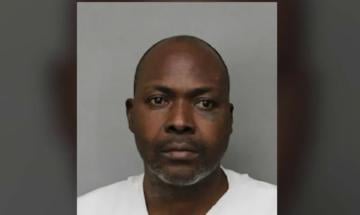
DNA evidence finally linked Robert Napier to Rachel Nickell's murder more than a decade after her death
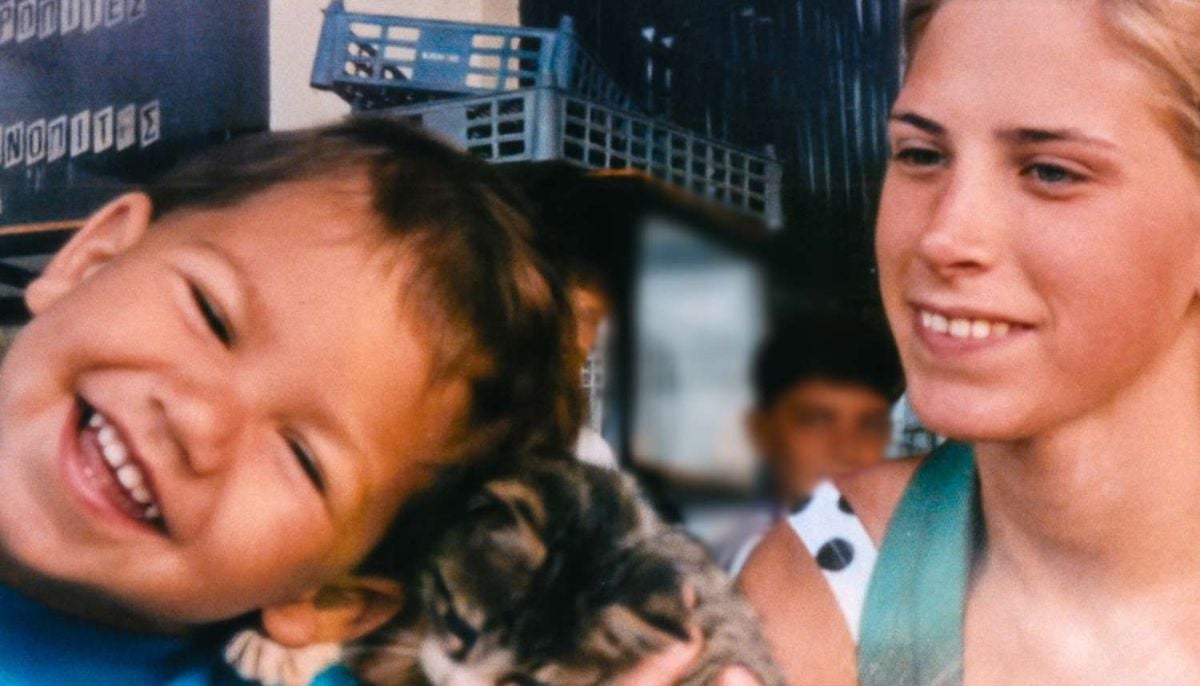
On 18 December 2008, Robert Napier entered a guilty plea to a charge of manslaughter in connection with the death of Rachel Nickell — bringing to a close a criminal investigation that had stretched across more than 16 years as detectives pursued the man responsible for the killing of the 23-year-old model and mother.
The case is now the subject of a new Netflix documentary, The Rachel Nickell Murder, which revisits one of Britain's most harrowing and deeply flawed criminal investigations.
A brutal crime steps from Wimbledon
The murder took place on 15 July 1992 — just a fortnight after the conclusion of the annual Wimbledon Championships — on Wimbledon Common, only a few thousand feet from the All England Lawn Tennis and Croquet Club. Nickell had been out for a walk with her two-year-old son and their dog when she was raped and killed.
A passerby later discovered her body, along with her toddler son — caked in mud and blood — clinging to his mother.
A case hampered from the start
The investigation unfolded during the early days of DNA testing, and despite considerable effort, forensic evidence proved elusive. Adding to the difficulty was the fact that the only eyewitness to the attack was Nickell's two-year-old boy.
Whilst the child was able to describe what his mother's killer had been wearing, allowing a composite image to be produced following interviews with others present in the park that day, months passed without a significant breakthrough.
The Metropolitan Police subsequently brought in a criminal psychologist to construct a profile of the perpetrator — a decision that would ultimately prove disastrous.
The wrongful pursuit of Colin Stagg
The profiling exercise directed suspicion towards Colin Stagg, a local man who regularly visited the common. Police launched an extensive undercover sting operation targeting him, which involved a female officer who feigned romantic and sexual interest in Stagg, having established that he corresponded with women through a lonely hearts club.
Stagg was arrested and charged with Nickell's murder, spending over a year in prison. His trial, however, was short-lived. A judge swiftly dismissed all evidence gathered by police on the grounds of entrapment — Stagg had not killed Nickell and had said as much in private exchanges with the undercover officer.
The real killer strikes again
Just two months after Stagg was remanded in custody, the man who had actually murdered Nickell killed again. Napier brutally murdered single mother Samantha Bissett and her young daughter Jazmine in their flat, located less than 20 miles from the site of Nickell's killing. Both victims had been sexually assaulted and stabbed approximately 50 times.
Although some harboured suspicions that Napier was connected to Nickell's death, police did not interview him until after Stagg had been released. By that point, Napier was already in custody for the murders of Samantha and Jazmine Bissett.
DNA finally delivers justice
In 2001, investigators re-examined forensic material from the Nickell crime scene using more advanced DNA technologies. The analysis revealed a mixed profile — comprising Nickell's DNA and that of an unidentified male — that had been overlooked during both the original and subsequent testing. That profile matched Napier.
After Napier again denied any involvement during a 2006 inquiry, the DNA evidence was reviewed and confirmed as his. Police formally charged him with Nickell's murder in December 2007. A year later, he entered his guilty plea to the lesser charge of manslaughter, based on diminished responsibility.
By then, Nickell had been dead for more than 16 years. The outcome nonetheless brought a measure of closure to her partner and to the son who had witnessed her death as a toddler.
Colin Stagg, meanwhile, subsequently pursued legal action against the Metropolitan Police and was awarded just under $1 million in compensation.