Toronto plastic surgeon ordered to pay $22.5 million over secret patient surveillance case
The court found cameras were installed in private treatment and consultation rooms across the clinic
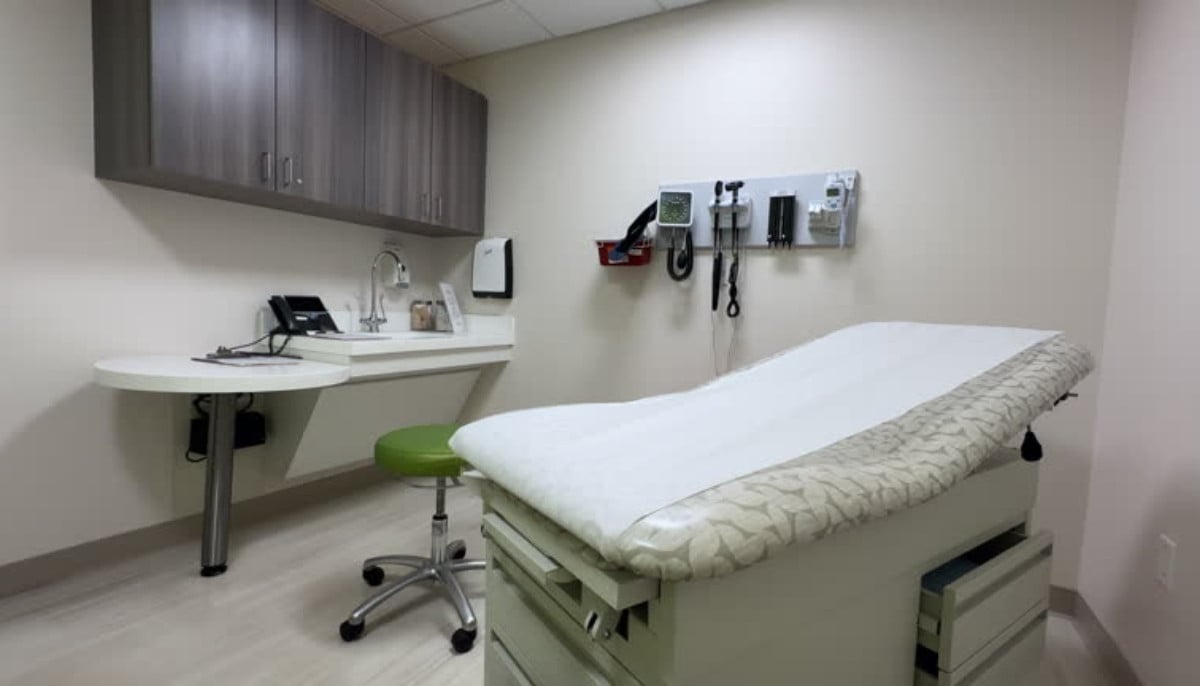
A Toronto plastic surgeon has been ordered to pay $22.5 million in damages after a court found he installed hidden surveillance cameras throughout his clinic and recorded patients without their consent.
The ruling concerns Dr. Martin Jugenburg, who was accused of secretly filming patients at the Toronto Cosmetic Surgery Institute, including in private consultation and treatment areas where individuals had a reasonable expectation of privacy.
In a decision filed on May 26, Judge Paul Schabas said the surgeon “knowingly invaded patients’ privacy” by installing more than two dozen cameras across the facility, including reception areas, hallways, staff rooms, consultation rooms, and operating and recovery spaces.
“His conduct as a physician was reprehensible,” the judge wrote, adding that the surveillance system was active 24 hours a day and could be accessed remotely via a smartphone application.
Court documents stated that patients were not informed of the cameras, nor were there any visible notices in examination rooms where individuals were often required to undress.
The judgment followed a 2019 class-action lawsuit supported by an undercover investigation by the Canadian Broadcasting Corporation, which first reported concerns about surveillance practices at the clinic.
Judge Schabas further noted that when the system was exposed, Dr. Jugenburg initially claimed the cameras were installed for security purposes and showed no remorse for his actions, describing the conduct as deserving of “condemnation and punishment.”
The court awarded $22.5 million in total damages, including $21.5 million in compensation to plaintiffs and $1 million in punitive damages.
Lawyers representing the plaintiffs said the ruling represents a major victory for patients’ rights, calling it “vindication” for those whose privacy was violated in one of the most sensitive medical environments.
In a statement, they emphasized that the decision reinforces the importance of autonomy, dignity, and privacy in healthcare settings.
Dr. Jugenburg, who has also acknowledged concerns raised about privacy practices at his clinic, said he is reviewing the judgment with his legal team and will respond further in due course.
He added that patient privacy and care remain his highest priorities, and that trust must be rebuilt through future actions.