Doctor reveals five simple habits for better blood flow and vascular health
Smoking, dehydration, and a sedentary lifestyle can all harm your blood vessels
Blood flow and circulation may feel like processes the body handles on its own, yet the day-to-day decisions people make — from how much they move and drink to whether they smoke — can have a profound effect on the health of their arteries, blood pressure, and cardiovascular system over time.
Dr Kunal Sood, an anaesthesiologist and interventional pain medicine physician, has drawn attention to a set of everyday habits that can actively support healthy circulation and protect vascular function.
In an Instagram video published on Sunday, he noted: "Healthy blood flow is not supported by one habit alone. Movement, hydration, vascular protection, metabolic health, and nitric oxide production all work together to keep blood vessels functioning well."
Walk regularly
Regular walking, Dr Sood explains, generates a beneficial mechanical force known as shear stress along the inner walls of blood vessels.
This stimulates the endothelium — the thin layer of cells lining the inside of blood vessels — to function more effectively, supporting blood vessel relaxation, blood pressure regulation, and the production of nitric oxide.
"Walking increases blood flow and creates shear stress along vessel walls, which helps the endothelium function more effectively. A healthier endothelium supports blood vessel relaxation, blood pressure regulation, and nitric oxide signaling."
Stay hydrated
Because blood is partly composed of plasma — which is itself largely water — adequate fluid intake is essential for maintaining healthy blood volume and smooth circulation.
The physician warns that dehydration, whether brought on by heat, physical exertion, or illness, can alter blood viscosity and blood pressure, placing extra demands on the heart and blood vessels.
"Blood is partly made of plasma, so hydration helps maintain blood volume and normal circulation. Dehydration can affect blood viscosity, vascular function, and blood pressure regulation, especially during heat, exercise, or illness."
Avoid smoking and vaping
Both smoking and vaping carry significant risks for cardiovascular health, Dr Sood stresses. Smoking is well established as a driver of oxidative stress, inflammation, and endothelial damage, whilst vaping has increasingly been associated with endothelial dysfunction and vascular stress in emerging research.
"Smoking increases oxidative stress, inflammation, and endothelial injury, while vaping has also been linked with endothelial dysfunction and vascular stress. Protecting the vessel lining is one of the most important steps for long-term circulatory health."
Add strength training
Resistance exercise offers benefits that extend well beyond building muscle. According to the physician, it can improve the body's sensitivity to insulin and its capacity to handle glucose, supporting both blood pressure regulation and metabolic health.
Research also points to its ability to enhance flow-mediated dilation — a key measure of how well blood vessels respond to increased blood flow. "Resistance exercise improves insulin sensitivity, glucose handling, blood pressure regulation, and muscle health. Research also shows it can improve flow-mediated dilation, a measure of endothelial function."
Eat nitrate-rich vegetables
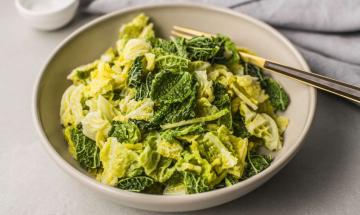
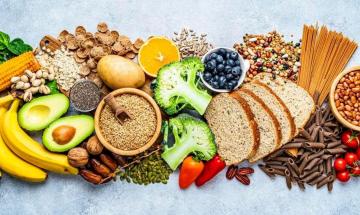
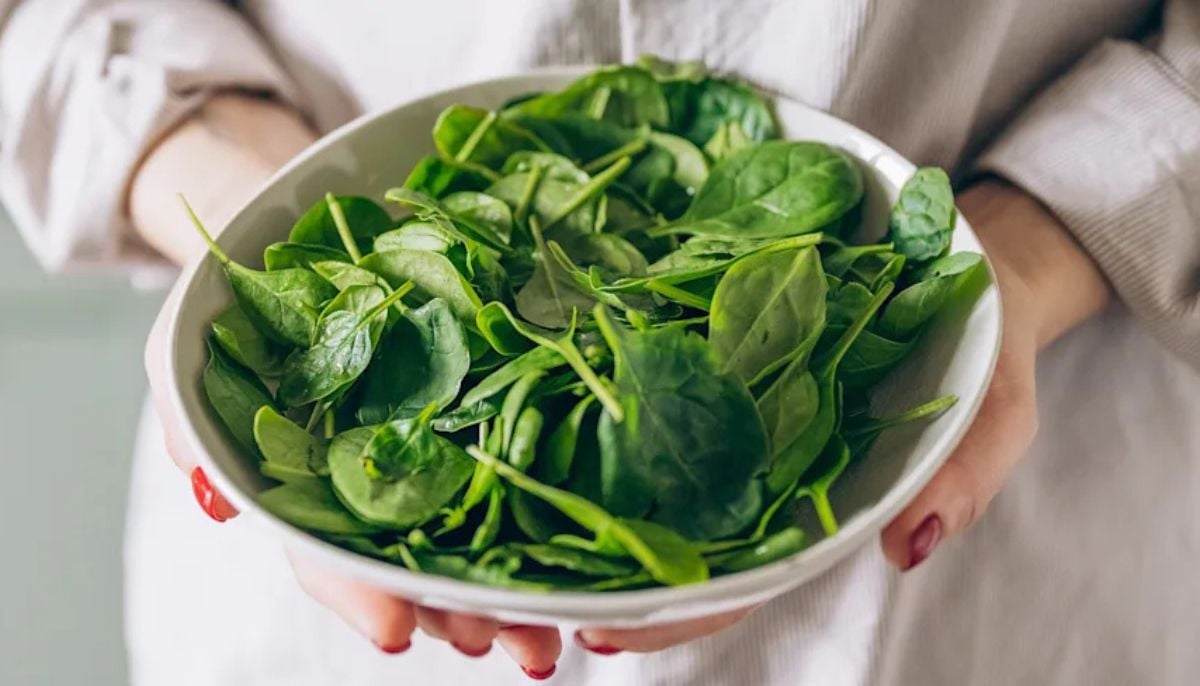
Vegetables including arugula, beetroot, spinach, and lettuce are particularly valuable for vascular health. They supply dietary nitrates that the body converts into nitric oxide, a molecule that prompts blood vessels to relax and dilate, thereby improving blood flow and supporting overall circulatory function. "Vegetables like arugula, beets, spinach, and lettuce provide dietary nitrate, which can be converted into nitric oxide. Nitric oxide helps blood vessels relax and widen, supporting blood flow and vascular health."
Note to readers: This article is for informational purposes only and not a substitute for professional medical advice. It is based on user-generated content from social media.