Microsoft CEO warns AI could ‘hollow out’ entire industries
Satya Nadella warns that businesses risk losing control of their expertise and economic value to a small number of AI providers
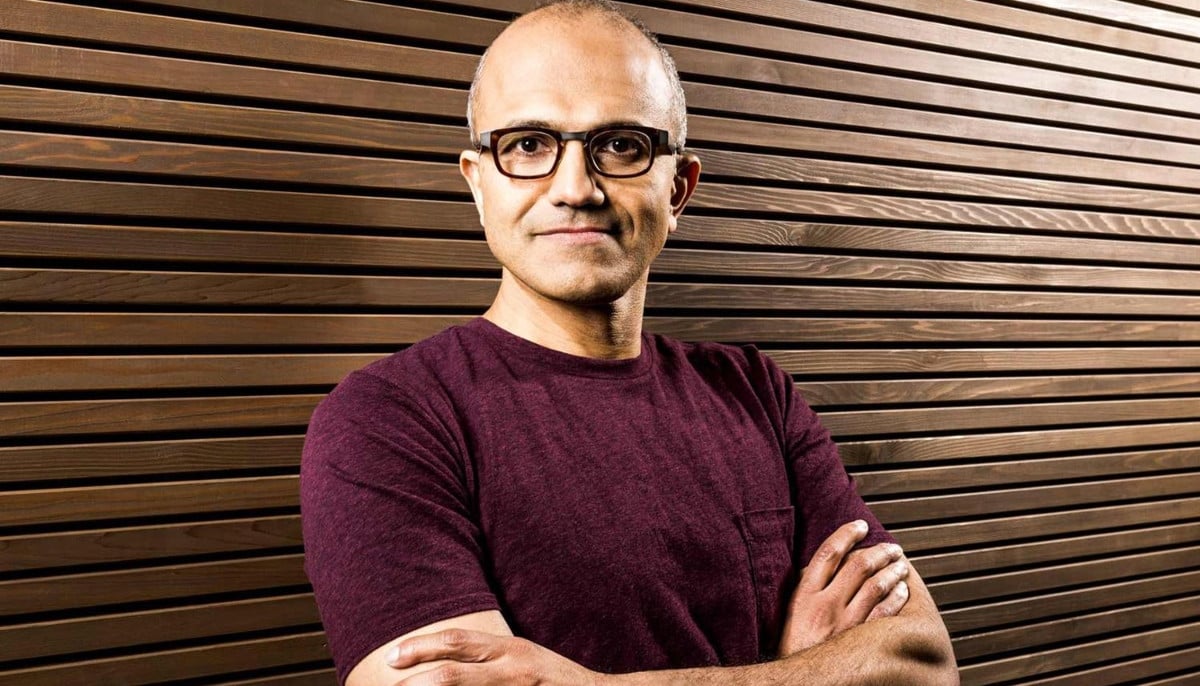
Microsoft CEO Satya Nadella cautioned that the rapid concentration of artificial intelligence capabilities among a handful of companies could undermine entire industries by absorbing corporate knowledge and capturing economic value.
In a post published on X on Sunday, Nadella argued that businesses must retain ownership of their expertise and learning systems rather than becoming dependent on a small number of dominant AI models.
“The last thing any of us want is a world where every company across every sector is ceding value to a few models that eat everything they see,” Nadella wrote. “There is no societal permission for an AI future that hollows out entire industries.”
The Microsoft chief compared the current AI transition to the economic effects of globalisation, when manufacturing and industrial jobs moved overseas despite broader economic growth.
“Think about what happened in the first phase of globalisation, where entire industrial economies were hollowed out by outsourcing,” he wrote. “The GDP numbers looked fine on the surface, but the displacement was real and the consequences are still being felt.”
Nadella said a healthier AI ecosystem would allow companies to maintain control over their knowledge, data and employee expertise while continuing to benefit from advances in artificial intelligence.
His comments come amid growing debate over whether a small number of AI developers could gain disproportionate influence over how businesses access and use information.
Other technology leaders have voiced similar concerns.
Snowflake CEO Sridhar Ramaswamy said in February that major AI developers risk reducing software companies to little more than providers of raw data.
“The big model makers want to create a world in which all of the data for all of the enterprises is easily available to them,” Ramaswamy said. “Everything else, the world, is just a dumb data pipe that feeds into that big brain.”
Ramaswamy added that software companies face the risk of customers abandoning specialised AI products in favour of a single agent capable of accessing information across multiple platforms.
Box CEO Aaron Levie raised a related concern earlier this year, arguing that increasingly powerful AI systems could make it harder for businesses to differentiate themselves.
“The question that we will have to wrestle with is, in a world where everyone has access to the same expert intelligence, how does a company differentiate?” Levie wrote in a January LinkedIn post.
Levie suggested that proprietary context and company-specific knowledge would become critical competitive advantages as AI tools become more widely available.
The remarks underscore a growing divide within the technology sector over whether artificial intelligence will democratise expertise or concentrate power among a small group of model providers.