US postpones trade blacklisting for Chinese AI startup DeepSeek
Interagency committee approved trade penalties before the policy pause took effect
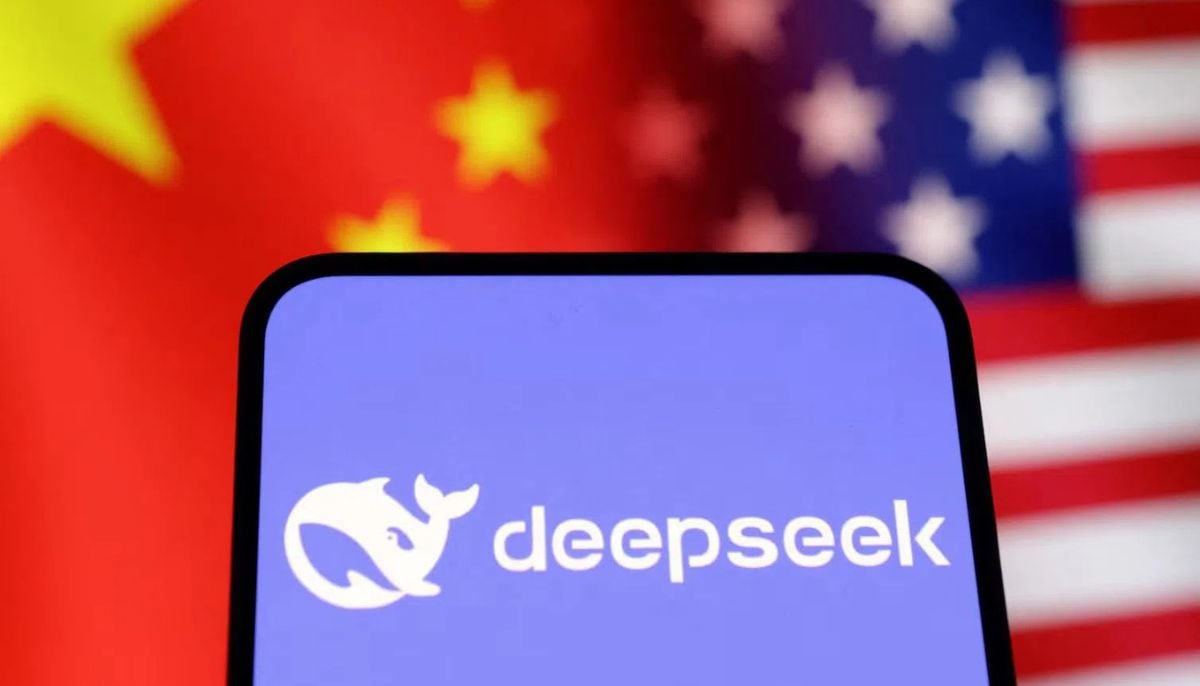
The United States government postponed adding the Chinese artificial intelligence startup DeepSeek and more than 100 other companies to its trade blacklist on Thursday. The decision to delay these sanctions signals a major shift as the presidential administration struggles to reduce rising geopolitical and trade tensions with Beijing. The affected entities had been classified as national security risks by Washington before the implementation of the restrictions was paused.
The delay was reported by Anthropic and OpenAI through separate filings and warnings issued to American lawmakers regarding Chinese technological espionage. This development marks the first time it has been publicly revealed that DeepSeek and the other foreign firms were officially approved for the trade blacklist by an interagency committee last year.
A senior US State Department official alleged that the low-cost DeepSeek model heavily impacts Chinese military and intelligence operations, claiming that the startup attempted to employ Southeast Asian shell companies to illegally obtain advanced American microchips.
Allegations of technology theft
American artificial intelligence firms have simultaneously sounded alarms regarding the operational tactics of their Chinese competitors. Anthropic identified a targeted campaign by DeepSeek and two other prominent Chinese artificial intelligence laboratories to illicitly extract capabilities from its proprietary platform to improve their own models. Meanwhile, OpenAI also cautioned legislators that DeepSeek was distilling its modest "free ride" on American technology.
These incidents occur as the United States and China remain engaged in a cut-throat competition over technology, trade, and national security. Washington regularly utilises aggressive tariffs and export controls to keep Beijing cornered. Conversely, China maintains a highly restrictive control over the global supply chain that feeds international defence, automotive, and chipmaking firms.
Internal debates paralyse national security tools
Former Commerce Department Official Kevin Kurland expressed concern over the current paralysis of American regulatory enforcement. “The fact the U.S. hasn't put any companies on the Entity List since October demonstrates that trade policy is overshadowing the use of a critical national security tool,” Kurland said.
Several of the omitted Chinese companies were originally slated for the blacklist for supplying vital components used in Russian drones that were recently recovered in Poland. Subsequently, other Chinese businesses were identified as national security risks for selling restricted Nvidia chips directly to Chinese universities.
Undersecretary of Commerce for Industry and Security Jeffrey Kessler has struggled continuously to avoid blacklisting these Chinese entities due to intense fears of escalating the ongoing trade war between the two nations.
Debates persist over whether to officially include a foreign entity on the regulatory trade list. This complex administrative process is managed by an interagency body that includes officials from the departments of Commerce, Defence, Energy, State, and sometimes Treasury.
Although this specific interagency committee has fully approved adding the entities to the blacklist, the Commerce Department has yet to officially publish the names. At least 75 Chinese entities involved in semiconductor production, chipmaking equipment, and artificial intelligence modelling have already passed through a procedural review and were slated for blacklisting by the authority.