Does Chia pudding spike blood sugar? Here’s what happens in your body
A closer look at what makes this popular breakfast worth paying attention to
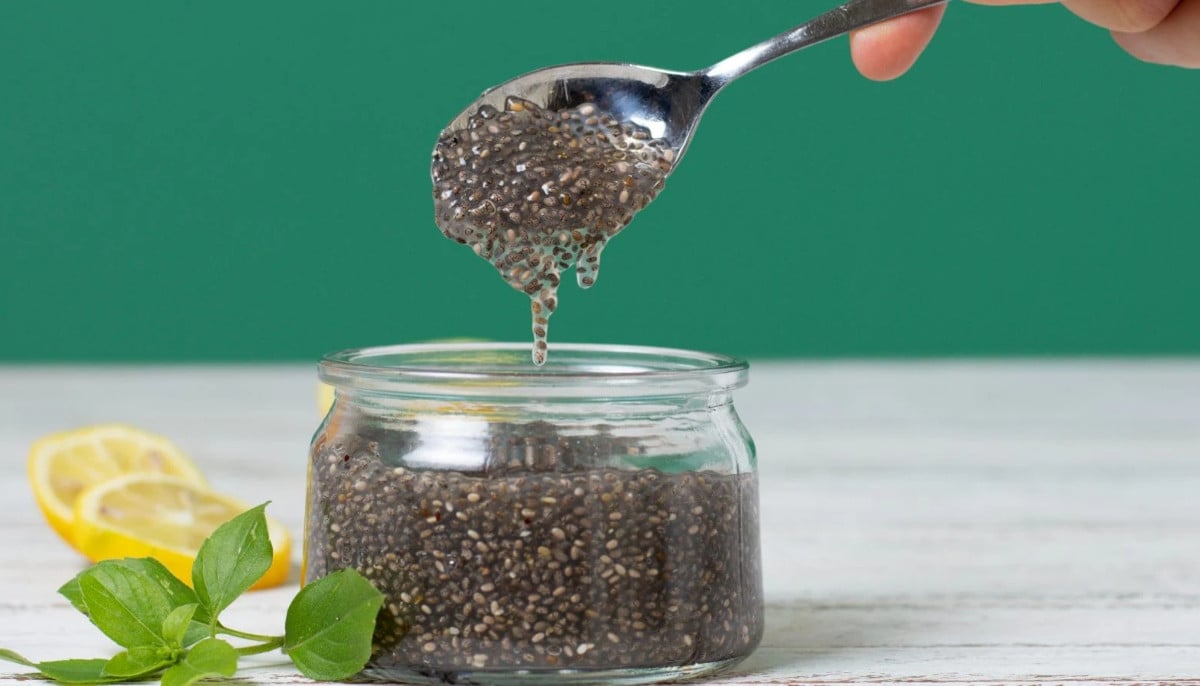
Chia pudding has become a popular breakfast choice thanks to its simple preparation, creamy texture, and reputation as a nutrient-dense meal. Made by soaking chia seeds in milk or a milk alternative, it forms a gel-like consistency that many people enjoy as a base for fruit, nuts, or sweeteners.
Beyond taste and convenience, chia pudding may also influence how your body manages blood sugar throughout the morning.
Expert breaks down what chia pudding may mean for blood sugar levels.
A slower, steadier blood sugar response
For most people, chia pudding leads to a gradual rise in blood sugar rather than a sharp spike. This is largely due to the soluble fibre and healthy fats naturally found in chia seeds.
When chia seeds absorb liquid, they form a gel that slows down digestion. This process delays how quickly carbohydrates are broken down and absorbed, meaning glucose enters the bloodstream more gradually. As a result, energy levels tend to remain more stable after eating.
Why chia seeds have a low glycaemic impact
Foods are considered lower on the glycaemic scale when they cause a slower and smaller rise in blood sugar. Chia seeds fit this profile because of their high fibre content.
The gel-like fibre slows stomach emptying and carbohydrate absorption. At the same time, the fat content in chia seeds further supports slower digestion. Together, these factors help promote more steady energy levels and reduce sudden blood sugar fluctuations.
Chia pudding may also help with satiety, keeping you fuller for longer and potentially reducing mid-morning snacking.
When chia pudding can raise blood sugar
Despite its benefits, chia pudding can still lead to blood sugar spikes depending on how it is prepared. Certain ingredients can significantly change its metabolic impact.
These include:
- Added sweeteners such as honey, maple syrup, or agave
- High-sugar fruits like bananas, mangoes, or dates
- Sweetened plant-based milks
- Lack of protein or fat to balance the meal
Without these balancing nutrients, digestion may speed up and blood sugar may rise more quickly.
Building a more balanced chia pudding
Nutrition experts often recommend pairing chia seeds with protein, healthy fats, and low-sugar fruits to support a more stable blood sugar response.
Helpful additions include Greek yoghurt, nut butters, berries, and unsweetened milk. These ingredients slow digestion further and improve overall satiety.
Sweeteners can still be used, but in small amounts to avoid unnecessary sugar spikes.
Bottom line
Chia pudding is generally considered a blood-sugar-friendly breakfast thanks to its fibre and healthy fat content. However, its overall effect depends heavily on what you add to it.
When prepared with balanced ingredients, it can support steadier energy levels and help keep blood sugar more stable throughout the morning.
Note to readers: This article is for informational purposes only and not a substitute for professional medical advice. Always seek the advice of your doctor with any questions about a medical condition