Gynaecologist says tampons are safe for beginners and sets the record straight on common myths
Stigma and misinformation are stopping women from choosing the right menstrual products
Stigma, fear, and persistent misinformation are preventing many women from making informed choices about menstrual products — including tampons — despite clear medical evidence that the most common concerns are unfounded, a senior gynaecologist has said.
Dr Sudeshna Ray, Associate Director of Obstetrics and Gynaecology at Jaslok Hospital and Research Centre and Senior Consultant at Breach Candy Hospital and HN Reliance Hospital, addressed three of the most widespread tampon-related myths, explaining the science behind each.
Myth 1: Tampons affect virginity
One of the most deeply held concerns is that inserting a tampon may affect a woman's virginity. Dr Ray was unequivocal in rejecting this claim. "From a medical standpoint, 'virginity' is not a diagnosable or measurable state. It is a social and cultural construct, not a biological marker. There is no medical test, tissue, or physical feature that can conclusively determine whether someone is a 'virgin'," she said.
She also addressed the widespread anatomical misconception about the hymen. Rather than being a sealed membrane that "breaks," the hymen is tissue that can naturally stretch or change over time through everyday activities such as cycling, sports, and dancing. Some women are born with very minimal hymenal tissue, while in others it may already be partially open or elastic from birth.
Dr Ray emphasised that such beliefs are outdated and actively discourage young girls from considering menstrual products that may be more convenient — particularly during sports, travel, or long workdays.
Myth 2: Tampons are not suitable for beginners
A second common assumption is that tampons are too advanced for teenagers or first-time menstruators, with pads typically presented as the standard starting point. Dr Ray challenged this view directly. "Tampons are safe for beginners. They are medically safe and widely recommended. When used correctly, they sit comfortably inside the vaginal canal and absorb menstrual flow without causing harm," she said.
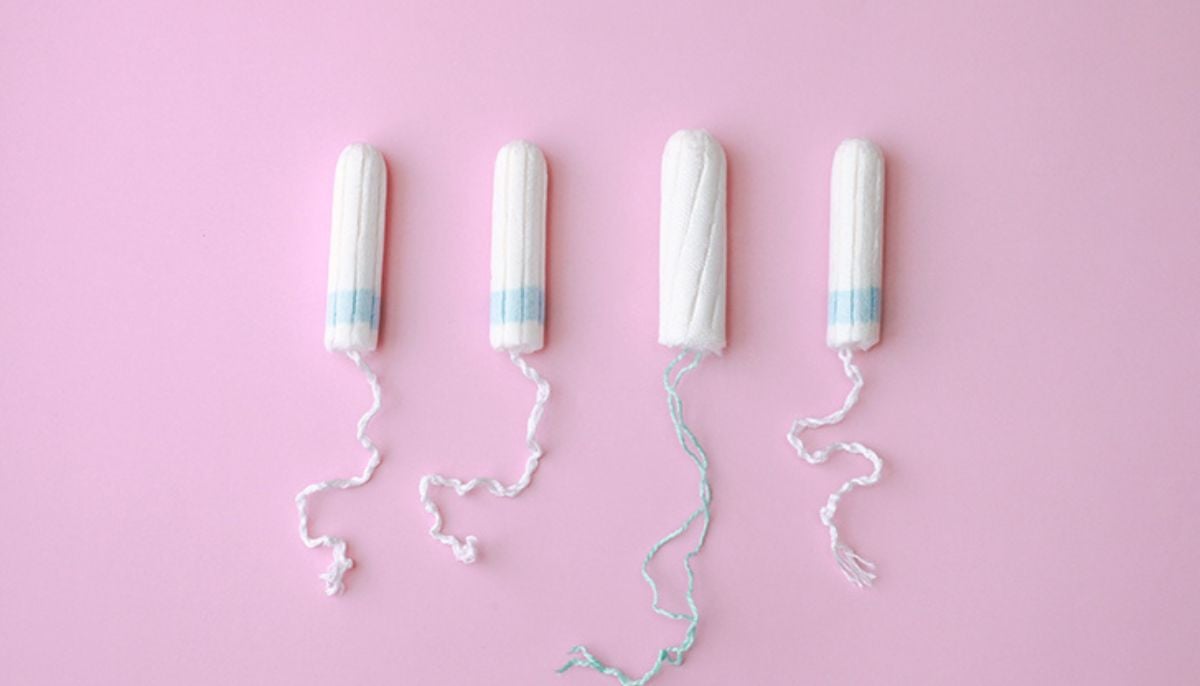
She recommended that beginners start with a smaller size, adding that applicator-based tampons can make the insertion process easier and more comfortable for those using them for the first time.
Myth 3: Pain during insertion signals something is wrong
Discomfort during tampon insertion is often misattributed to the hymen or virginity. Dr Ray explained that pain is almost always linked to technique, not anatomy. "If someone experiences discomfort while using a tampon, it is usually due to incorrect placement, muscle tension, or dryness, not because of 'virginity.' Relaxation and correct positioning make a significant difference," she said.
Beyond addressing these concerns, Dr Ray highlighted a practical advantage of tampons that is often overlooked — their compact size means they can easily fit into a pocket or purse, making them a discreet and convenient option for everyday life.
Note: This article is for informational purposes only and is not a substitute for professional medical advice. Always seek the advice of your doctor with any questions about a medical condition.