Norway bans generative AI for elementary school students
Norway will prohibit generative AI tools for children aged six to 13 from the new school year
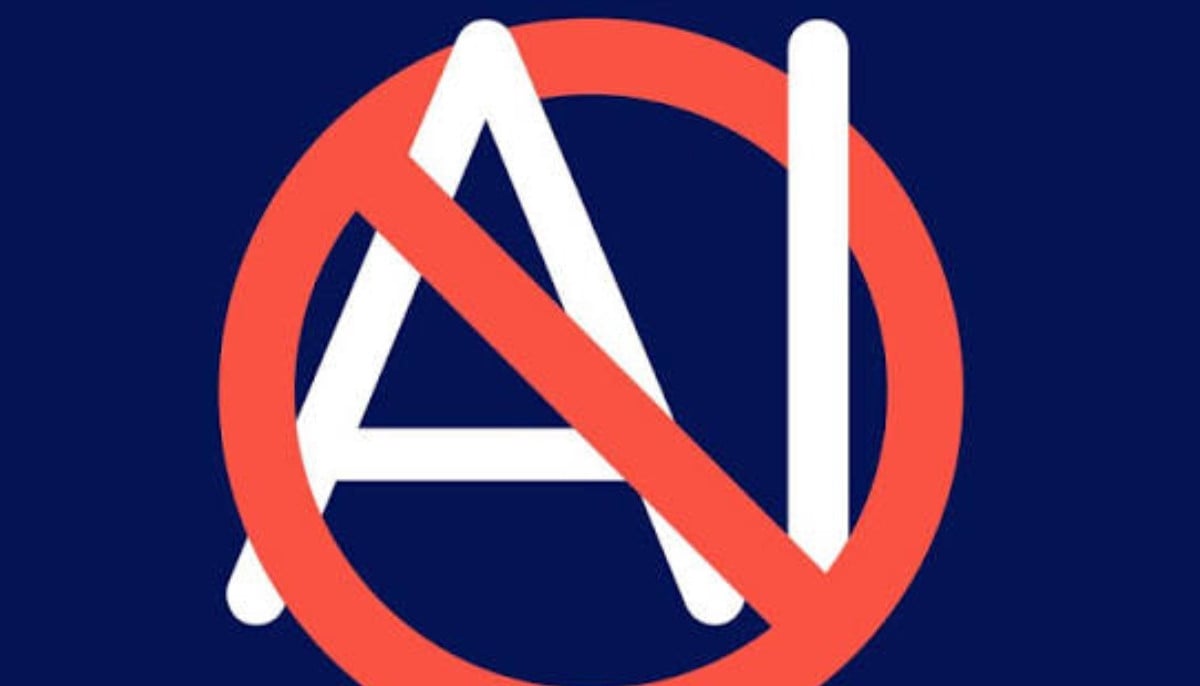
Norway is set to introduce sweeping restrictions on the use of generative artificial intelligence in schools, banning elementary school students from using the technology and limiting access for younger teenagers.
Reuters reported that the new rules will take effect at the start of the school year in late August and apply to children aged six to 13, covering first through seventh grade.
Prime Minister Jonas Gahr Støre said the measures are intended to ensure children develop essential educational skills without relying on AI tools to complete tasks for them.
According to Reuters, Støre argued that schools should focus on teaching students how to “read, write and do mathematics” rather than allowing artificial intelligence to shortcut parts of the learning process.
AI Access Limited for Older Students
Under the new framework, students aged 14 to 16 will still be permitted to use generative AI tools, but only under direct teacher supervision.
Teenagers aged 17 and older will be encouraged to use AI independently and responsibly as part of their education.
The restrictions reflect growing concerns among policymakers worldwide about the impact of AI-powered chatbots and content-generation tools on learning, critical thinking and academic integrity.
Part of Norway’s Broader Technology Crackdown
The AI policy follows Norway’s earlier efforts to reduce technology use in schools.
In 2024, the country banned smartphones and tablets from classrooms. Norwegian officials have since cited positive outcomes from the move, including improved academic performance, lower rates of bullying and a reduction in mental health-related visits to psychologists.
Reports indicated the benefits were particularly noticeable among female students.
Norway is also considering broader restrictions on children's access to digital platforms outside the classroom.
The government plans to introduce legislation later this year that would ban social media use for children under 16, mirroring measures already adopted in Australia.
Similar Debate Emerging in the United States
Concerns about children's interaction with AI tools are also shaping policy discussions in the United States.
Lawmakers have been debating the proposed Guidelines for User Age-verification and Responsible Dialogue Act, known as the GUARD Act, which would require age-verification systems and restrict access to certain AI chatbot services for minors.
The bill has advanced through the Senate Judiciary Committee but has not yet received a full congressional vote.
Recent revisions narrowed its scope from broadly covering AI chatbots to focusing primarily on so-called “AI companions,” potentially excluding widely used tools such as ChatGPT, Gemini and Microsoft Copilot.
Critics argue that the updated language could create loopholes, allowing companies to avoid regulation by classifying chatbot features as secondary functions rather than dedicated AI companions.
Growing Global Focus on Children and AI
Norway’s latest restrictions place the country among a growing number of governments seeking to limit children's exposure to emerging technologies while educators and regulators assess their long-term impact.
Supporters of the policy argue that foundational skills should be developed before students rely on AI assistance, while opponents contend that responsible use of the technology is becoming an increasingly important part of modern education.
The debate is expected to intensify as schools worldwide continue to grapple with how generative AI should be incorporated into classrooms.