Severe parasite outbreak infects hundreds across 31 US states
Hundreds of domestic cyclosporiasis cases have been recorded amid a major multi-state parasite outbreak
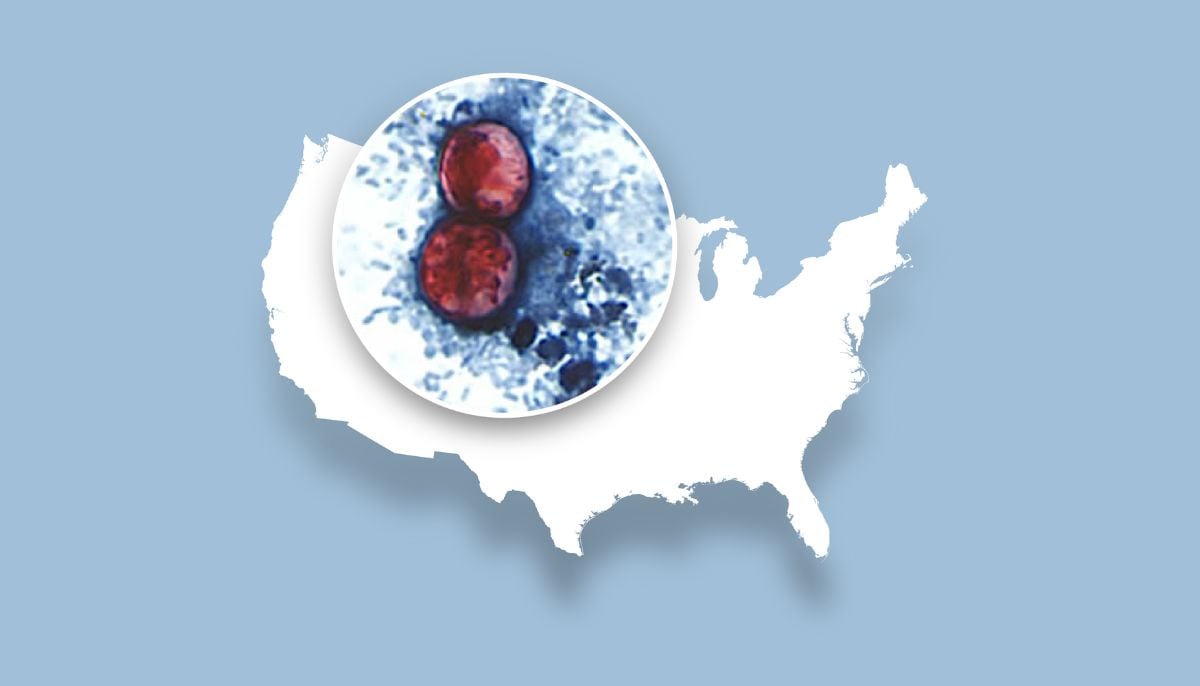
A rapidly spreading parasite outbreak has infected hundreds of people across 31 US states, causing widespread gastrointestinal illness and resulting in dozens of hospitalisations. The Centres for Disease Control and Prevention confirmed on Friday that there have been 843 domestic cases and 1,500 suspected cases of cyclosporiasis since May. The ongoing health crisis has resulted in 86 hospitalisations, although federal authorities have confirmed that no deaths have been reported so far.
The Associated Press reported that the infection tally is significantly higher than in previous years. Health experts have raised concerns that this annual outbreak, which typically exceeds 2,800 cases, is being exacerbated by past administrative decisions. Funding restrictions imposed on state and local health departments, alongside a reduction in coordinated programs dedicated to tracking foodborne illness, have severely hampered tracking efforts. George Washington University Milken Institute of Public Health Associate Professor Barbara Kowalcyk explained that removing coordinated resources has made it much harder for investigators to see the complete epidemiological picture.
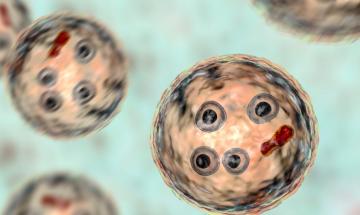
The illness is caused by Cyclospora cayetanensis, a microscopic parasite commonly transmitted through fecally contaminated fresh produce or water. Symptoms usually manifest roughly one week after initial exposure, with incubation periods ranging from two days to more than two weeks. An affected Southern California resident described the infection as the sickest she had ever been, recalling days of severe gastrointestinal distress, extreme abdominal pain, and an inability to keep food down.
In response to the growing health threat, the Michigan health department advised commercial kitchens and restaurants in the southeastern region to take preventative measures. Kitchen staff have been urged to cook or thoroughly deep clean leafy greens, snow peas, raspberries, and select fresh herbs to reduce transmission risks. Federal health officials expect the national case tally to rise further as disease investigations continue across the affected states.