7 reasons you're not losing weight despite eating healthy
Healthy foods alone may not create the calorie deficit needed to lose weight
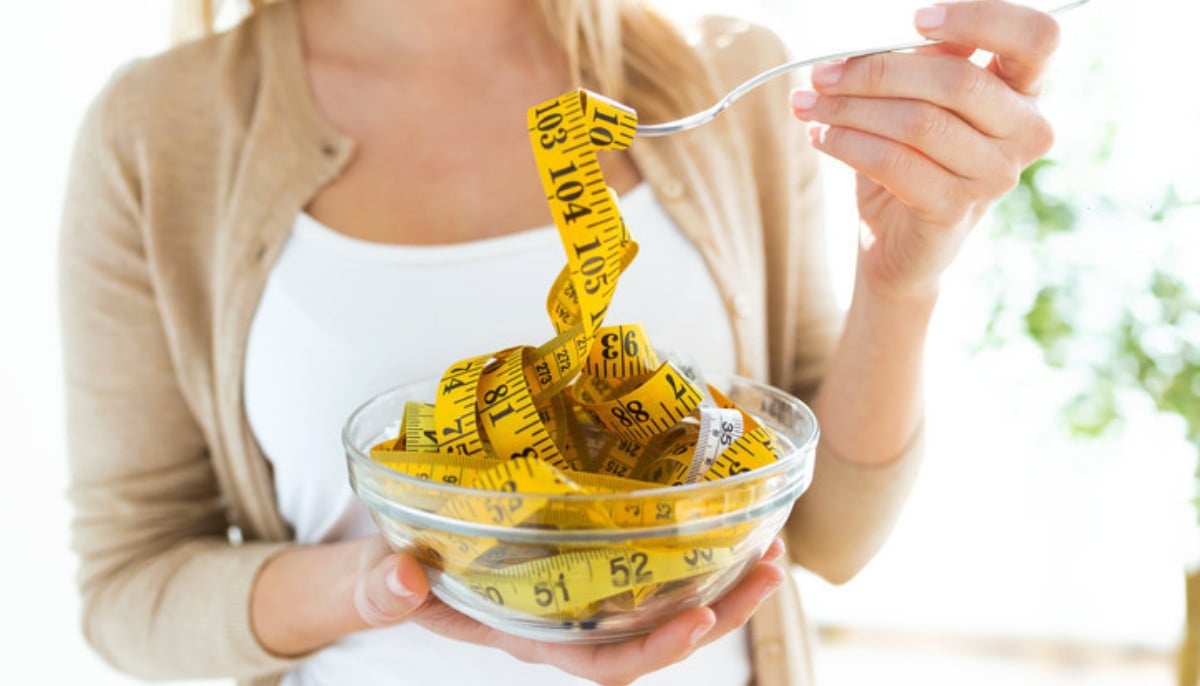
Eating nutritious foods is an important part of a healthy lifestyle, but it doesn't always guarantee weight loss. Dietitians say factors including calorie intake, portion sizes, protein consumption and lifestyle habits can all affect whether the scale moves.
Here are seven common reasons healthy eating may not be delivering the results you expect.
1. You're eating more calories than you realise
Weight loss ultimately depends on maintaining a calorie deficit. Even nutritious foods such as nuts, granola, smoothies and healthy oils can be high in calories, making it easy to consume more energy than your body burns.
Being mindful of serving sizes can help prevent unintentional overeating.
2. You're being too restrictive
Completely eliminating favourite foods may increase cravings and make overeating more likely later.
Dietitians say a flexible eating approach is often easier to maintain than highly restrictive diets, which have been linked to binge eating and overconsumption of highly palatable foods.
3. You're not eating enough protein and fibre
Protein and fibre help increase feelings of fullness by slowing digestion and supporting satiety hormones.
Including foods such as Greek yoghurt, lean meat, beans, chia seeds and fish in meals can help reduce hunger and make it easier to stay within your calorie goals.
4. You're overeating 'healthy' foods
Foods marketed as organic, natural or healthy can still be high in calories.
Experts warn against the "health halo" effect, where people assume healthier-labelled foods contain fewer calories and end up eating larger portions than needed.
5. You're ignoring lifestyle factors
Diet is only one part of successful weight loss. Physical activity, quality sleep and stress management also play important roles.
A sedentary lifestyle, poor sleep and chronic stress can all make it more difficult to achieve or maintain a calorie deficit.
6. You rely on takeout meals
Restaurant and takeaway meals are often higher in calories, fat and portion sizes than home-cooked food.
Preparing more meals at home gives you greater control over ingredients and serving sizes, making it easier to stick to your nutrition goals.
7. You're drinking too many calories
Calories from drinks can add up quickly without making you feel full.
Smoothies, juices, speciality coffees and protein shakes may contain hundreds of calories while providing little fibre. Choosing water, unsweetened tea or other low-calorie beverages can help support weight-loss efforts.
Healthy eating is only part of the equation
Dietitians emphasise that eating healthy foods is beneficial for overall health, but sustainable weight loss depends on balancing calorie intake with energy expenditure while paying attention to sleep, stress, activity levels and portion control.