Humanoid robots face gap between viral hype and functional reality
Humanoid robots often rely on remote human operators rather than operating through true artificial intelligence
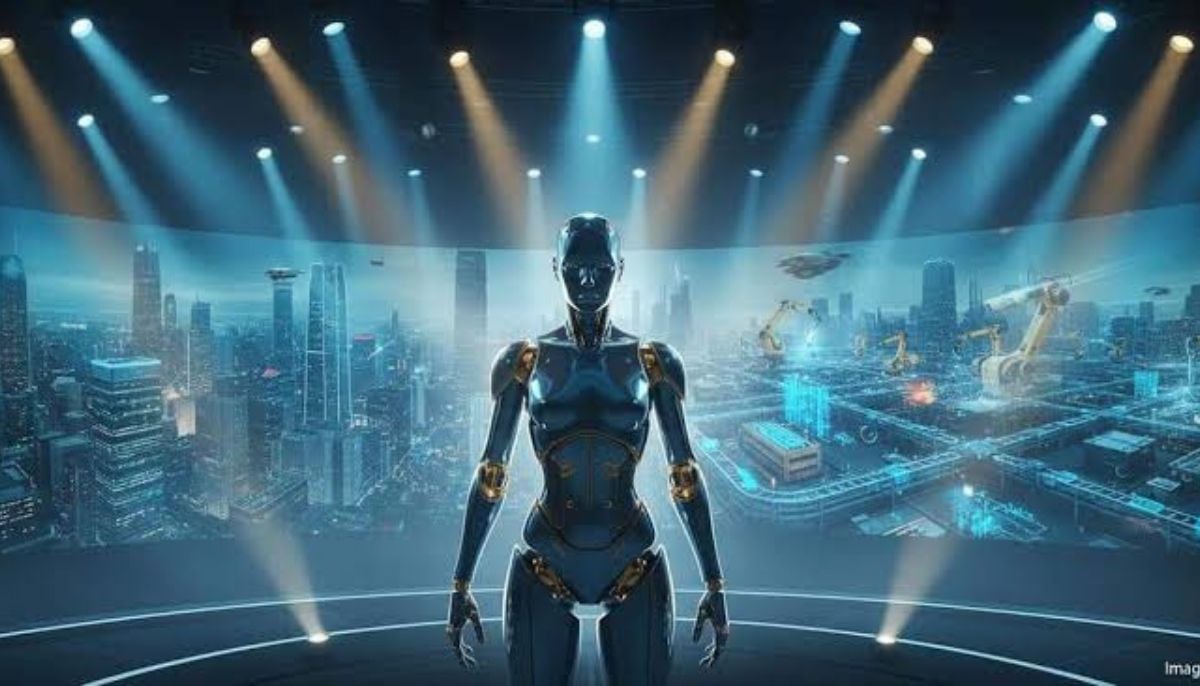
Humanoid robots flooding social media platforms are highlighting a growing divide between viral online hype and practical real-world functionality. Despite China emerging as the world's leading manufacturer of humanoid robots, everyday operations still rely heavily on human labour rather than autonomous machines.
The BBC Asia Pacific podcast hosted by Mariko Oi explored the distinction between public perception and technological reality alongside cyber correspondent Joe Tidy and Beijing correspondent Stephen McDonell. The journalists observed that despite widespread interest in automated technology, human workers continue to perform basic tasks like food delivery at showcased hotpot restaurants in Beijing.
McDonell noted that even at China's most prominent robotics exhibition events, human staff members handle the vast majority of table deliveries. Tidy further highlighted that many viral machines, including the five-foot-tall 1X Neo robot that demonstrated plant watering and dishwasher unloading, are actually teleoperated drones controlled by human operators wearing virtual reality headsets. This practice of using remote human monitors through cameras represents a common strategy among companies deploying domestic robots.
An exception to standard teleoperation is Sunday AI's Memo, which utilises an innovative training methodology where humans wear camera headsets and sensor-equipped mitts matching the robot's hands. The sensors capture physical motions and align visual data with the glove movements to train the system.
According to McDonell, China produces 90 percent of all global humanoid robots and 75 percent of delivery robots worldwide, manufacturing approximately 400 distinct varieties. He explained that early adopters frequently purchase semi-functional robots primarily for entertainment.
While industrial facilities such as Tesla's Shanghai factory rely on automated machinery, each unit performs a single specialised function. Industry observations suggest the immediate future favours single-purpose devices—such as specialised window washers, coffee machines, and laundry folders—rather than universal humanoid butler systems.