Amy Robach shares how unexpected breast cancer diagnosis changed her perspective
The former 'Good Morning America' anchor said she never believed breast cancer could happen to her
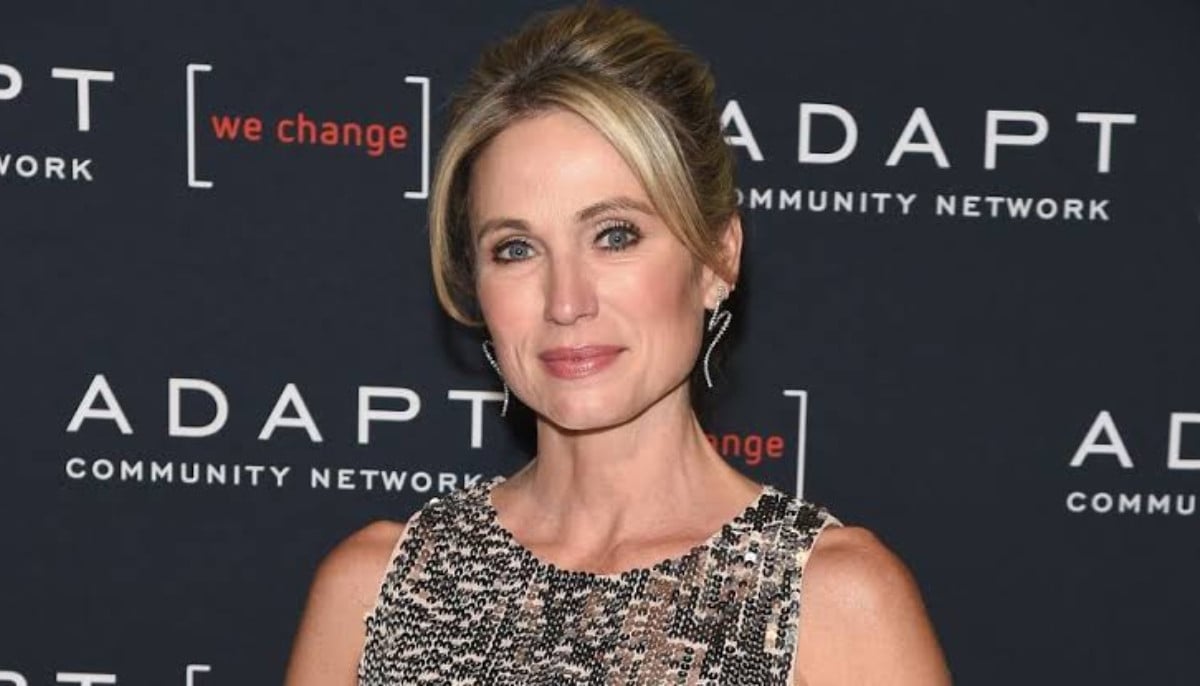
Amy Robach has opened up about the misconception that surrounded her breast cancer diagnosis and how her experience changed the way she views the disease.
The former Good Morning America anchor, 53, discussed her health journey during the July 23 episode of the SHE MD podcast, explaining that she never believed breast cancer could happen to her because of her family history.
Robach was diagnosed with stage 2 breast cancer in 2013 at age 40 after undergoing an on-air mammogram on Good Morning America.
She said she agreed to the screening believing she was raising awareness for other women, never expecting it would lead to her own diagnosis.
“I literally thought that I was doing it for other women, that I was doing it for someone else. I had no idea that I was actually going to be saving my own life,” she shared.
At the time, Robach said cancer was not something she worried about because no one in her immediate family had experienced it.
“Cancer wasn’t in my family,” she explained. “My mom is one of nine. My dad is one of six. All my grandparents were alive at that point and no one in my family had breast cancer.”
Robach admitted that believing she was not at risk because of her family history was the “biggest misconception” she had about breast cancer.
“I didn’t think I was somebody who was susceptible to breast cancer because no one in my family had it,” she said.
Following her diagnosis, Robach underwent a double mastectomy and chemotherapy.
Her experience has since inspired her to advocate for breast cancer awareness through the Breast Cancer Unscripted campaign with Novartis.
The podcast host, who now presents Amy & T.J. with fiancé T.J. Holmes, also opened up about the lasting emotional impact of a cancer diagnosis, explaining that the effects continue even after treatment ends.
“Once you’re diagnosed with breast cancer, that cancer stays with you mentally, even if physically you have it cut out, the treatment is over and all the doctors tell you you’re cancer free,” she said.
Robach explained that surviving cancer changes the way people approach their health and daily lives.
“That cancer diagnosis is a lifetime diagnosis because you act differently, you behave differently, you treat your body differently,” she added.
Despite the challenges, Robach emphasized that her message is one of hope and encouragement.
“This isn’t some depressing cancer video. This is inspirational,” she said.
“You are going to get strength. You are going to feel empowered, and you’re going to feel motivated to be your own best advocate,” Robach continued. “Life is not over. Life is just beginning.”
Robach said sharing her story has allowed her to connect with other women and encourage them to prioritize screenings.
“When you tell your story, you have no idea the reach that it can have,” she said.
“You are absolutely going to empower and inspire other women to go get their tests done because they think, ‘If it could happen to her, it could happen to me.’”
She added, “The power of one voice is real.”