Angelina Jolie calls her preventive surgery scars a ‘life-saving choice’
The ‘Maria’ star underwent surgery in 2013 after learning she carried the BRCA1 gene
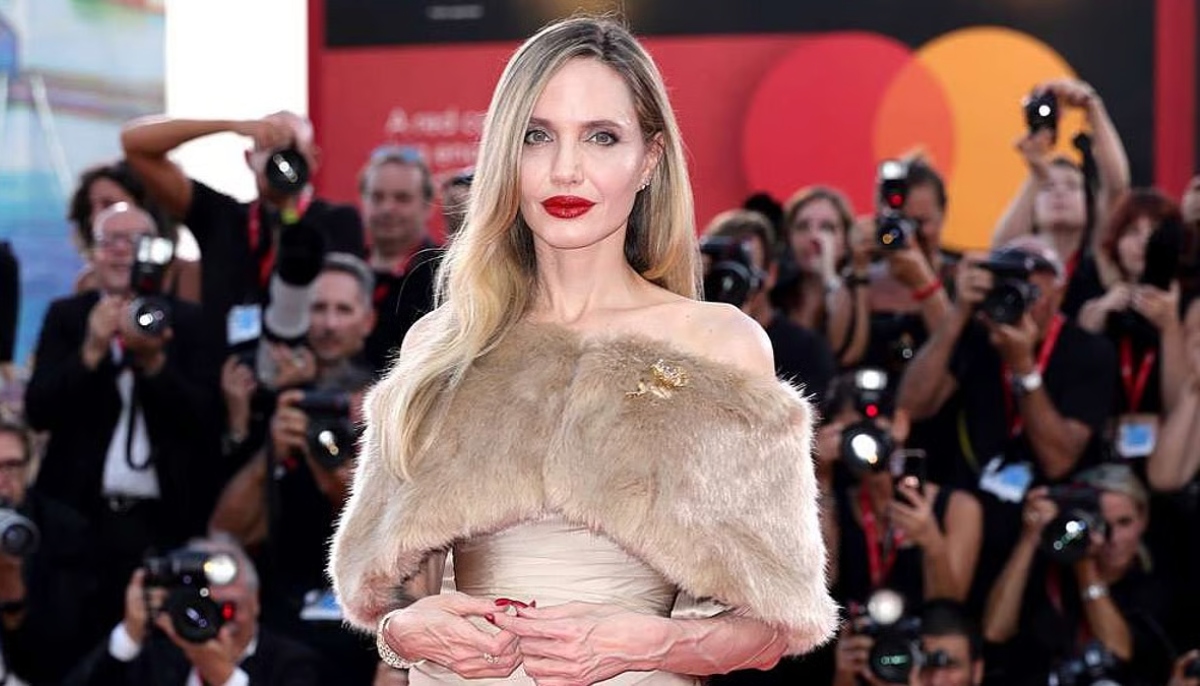
Angelina Jolie has reflected on the deeply personal decision that changed her life and why she has come to embrace the scars that followed.
The Oscar-winning actress, 50, opened up in a new interview with French outlet French Inter about undergoing a preventive double mastectomy in 2013 after discovering she carries the BRCA1 gene, which significantly increases the risk of breast cancer.
“I’ve always been someone more interested in the scars and the life that people carry,” Jolie said. “I’m not drawn to some perfect idea of a life that has no scars.”
For Jolie, those scars symbolize something far greater than surgery.
“I see my scars as a choice I made to do what I could do to stay here as long as I could with my children,” she explained. “I love my scars because of that, and I’m grateful that I had the opportunity to have the choice to do something proactive about my health.”
The decision was shaped in part by personal loss. Jolie’s mother, actress Marcheline Bertrand, died in 2007 at age 56 after battling cancer, a loss Jolie has often described as formative.
“I lost my mom when I was young, and I’m raising my children without a grandmother,” she said, underscoring the motivation behind her preventive surgeries.
In a landmark 2013 New York Times article titled “My Medical Choice,” Jolie revealed that doctors had told her she carried a “faulty gene,” putting her risk of developing breast cancer at 87 percent. After the mastectomy, that risk dropped to under 5 percent.
“The decision to have a mastectomy was not easy,” she wrote at the time. “But it is one I am very happy that I made. I can tell my children that they don’t need to fear they will lose me to breast cancer.”
Two years later, in 2015, Jolie also underwent surgery to remove her ovaries and fallopian tubes as a preventive measure against ovarian cancer.
Now, more than a decade later, she views those experiences as part of a life fully lived. “If you get to the end of your life and you haven’t made mistakes, you haven’t made a mess, you don’t have scars, you haven’t lived a full enough life,” she said.