Home / Technology
Waymo and Tesla reveal secret human teams behind autonomous cars
Remote operators are frequently required to guide AI through dangerous road scenarios
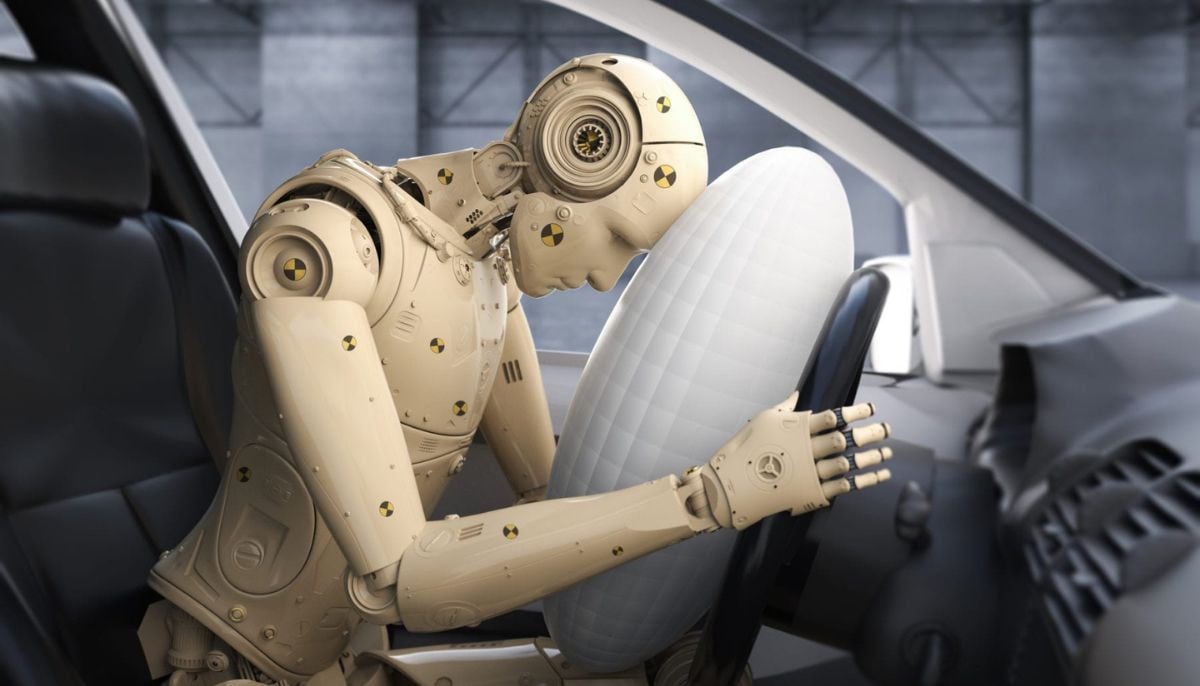
Recent findings from Alphabet’s Waymo and Tesla have highlighted a sobering reality: self-driving cars still require a human touch to navigate the complexities of the road.
Despite the futuristic allure of robotaxis, both companies rely heavily on "remote assistance" services. These teams of trained operators act as digital guardians, stepping in to guide vehicles when software encounters confusing or hazardous scenarios that the AI cannot solve alone.
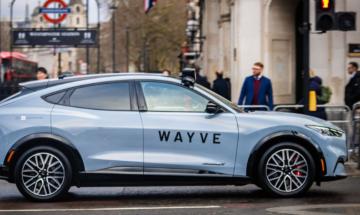
Waymo currently operates robotaxis across six US cities with plans for global expansion. To manage its fleet of 3,000 vehicles, the company employs 70 remote assistants, half of whom are contractors based in the Philippines.
However, Waymo Vice President Ryan McNamara noted that the company maintains a dedicated US-based team for the highest-stakes operations, stating that they are essential for "handling accidents and interacting with police." All assistants must pass rigorous traffic rule training and drug assessments.
Tesla takes a more domestic approach, running remote operations from offices in Austin and the San Francisco Bay Area. Tesla’s Duy Cao confirmed in a regulatory filing that all operators must work from within the US and hold active driving licences.
Even with advanced technology, some Tesla models still necessitate chase vehicles or constant human oversight. Carnegie Mellon researcher Philip Koopman suggests that AI simply cannot predict every possible road event.
He concluded: “For the foreseeable future, there will be people who have a role to play in the behaviour of the vehicles, and therefore a role to play in safety.”