Home / Technology
Major manufacturers adjust device pricing as memory supply remains critically low
Lenovo and HP executives signalled further pressure on personal computer unit sales
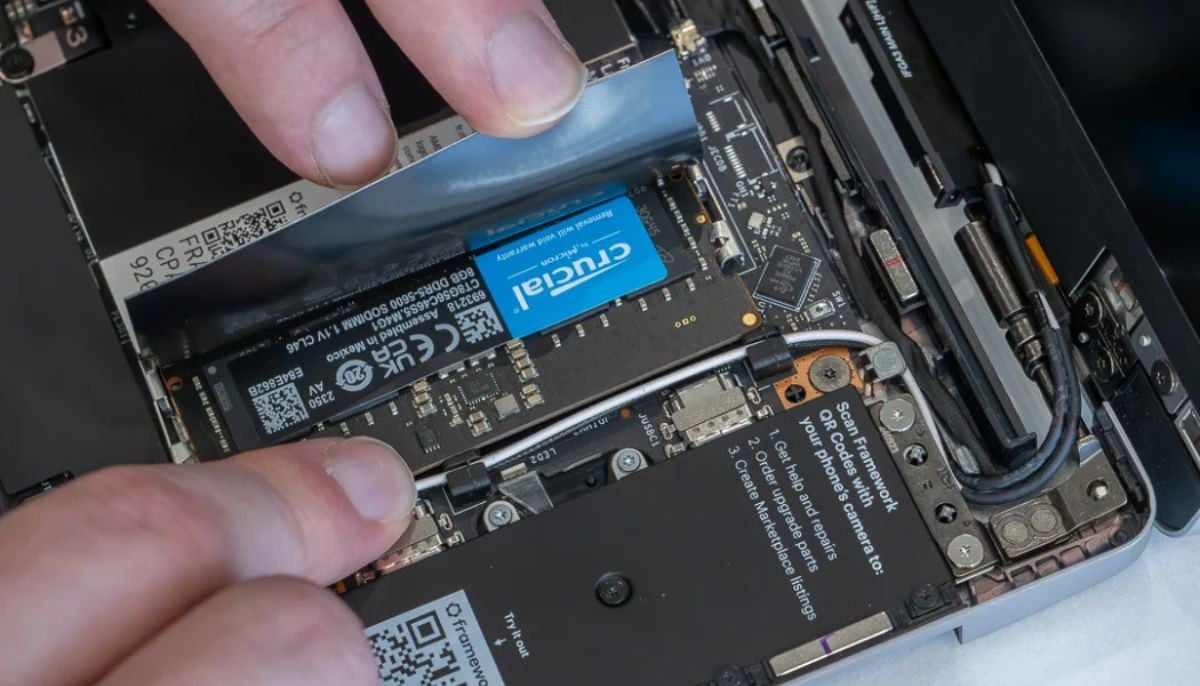
The global electronics market is currently grappling with a severe memory chip shortage, as the rapid expansion of artificial intelligence infrastructure continues to deplete available supplies
Research firm IDC has warned of "significant pressure" on the memory ecosystem, with supply growth expected to remain well below historical norms throughout the year.
This scarcity is impacting everything from personal computers to handheld gaming devices, as AI companies outbid traditional hardware manufacturers for essential DRAM and NAND components.
Industry leaders have voiced serious concerns regarding the longevity of the crisis. Intel Chief Executive Lip-Bu Tan recently predicted that there would be "no relief until 2028," citing the immense memory requirements of next-generation AI platforms.
The financial impact is already reaching consumers; Microsoft has raised the starting price of its 13-inch Surface Pro to $1,499, while Dell and HP have implemented price hikes "across the board."
Even Apple has adjusted its strategy, launching the $599 MacBook Neo to provide a budget entry point as prices for more powerful machines increase.
The gaming sector has been equally destabilised. Valve recently informed customers that the popular Steam Deck may be "out of stock intermittently" due to storage shortages, while also delaying the launch of its upcoming Steam Machine and Steam Frame VR headset.
Sony followed suit earlier this month, increasing the price of its PlayStation 5 consoles by up to $100.
Analysts suggest that while larger firms like Samsung and Micron are pivoting toward high-bandwidth memory for AI, smaller hardware makers will continue to struggle with volatile costs for the foreseeable future.