Home / Lifestyle
Specialist issues warnings against over reliance on treadmill diagnostic tools
Medical specialist warns that passing stress tests does not rule out atherosclerosis
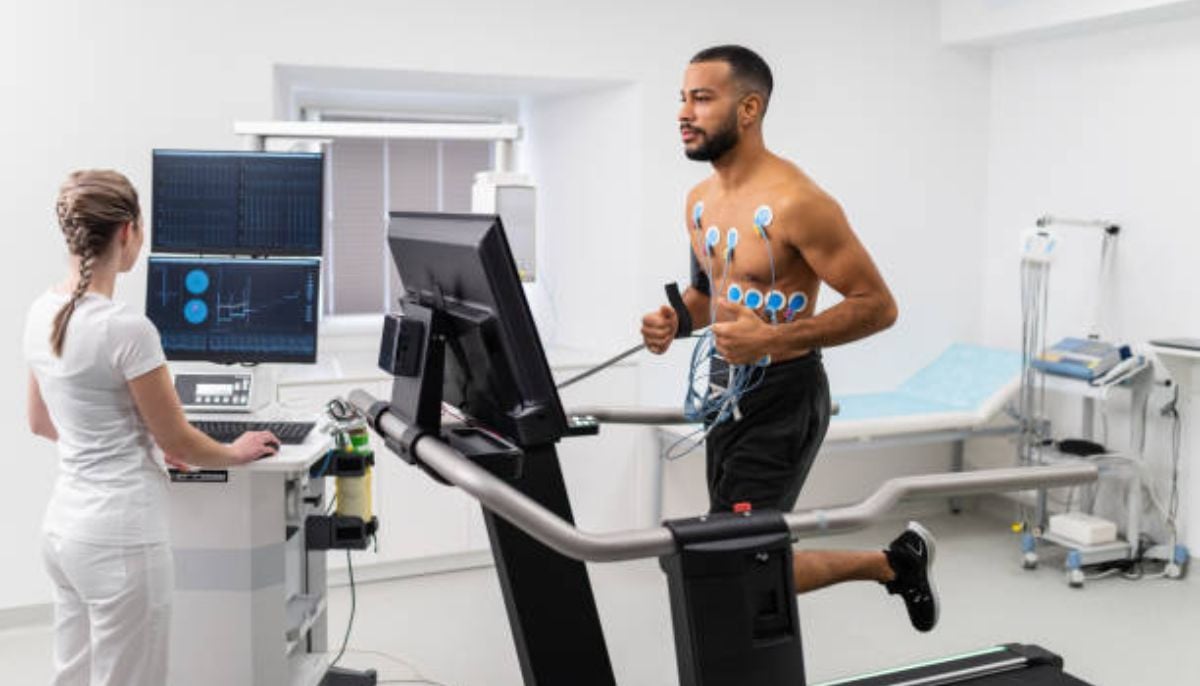
A treadmill stress test measures heart function during physical activity to spot anomalies, yet over-reliance on this tool can lead to diagnostic flaws.
Dr Sudhir Kumar, a neurologist at Apollo Hospitals, shared a case study on X on Friday involving a 55-year-old man with chest discomfort.
Although his stress test was normal, he suffered a major heart attack six weeks later. Dr Kumar noted, “Coronary angiography showed significant multivessel Coronary Artery Disease (CAD),” proving the initial reassurance was misplaced.
The failure was not the test itself, but the lack of understanding regarding its limitations. Dr Kumar explained, “Treadmill test detects flow-limiting obstruction (in the arteries),” which often indicates late-stage disease.
It cannot detect the overall plaque burden or vulnerable plaques—deposits of fat and cholesterol—that haven't yet blocked flow.
He added, “Most heart attacks occur due to rupture of non-obstructive plaques,” meaning a person can pass the test while remaining at high risk.
How does a treadmill stress test work?
According to the Cleveland Clinic, the procedure typically involves these specific steps:
- Vitals of the participant are taken at rest.
- Patient begins walking on a treadmill.
- Vitals are recorded every three minutes as the intensity of the treadmill increases.
- The exercise is continued until the participant reaches or nears maximum heart rate.
- It is followed by a gradual cool-down period.
Ultimately, while a normal stress test rules out ischemia, it does not account for atherosclerosis, making further clinical investigation essential for symptomatic patients.
"Please Note: This information is for educational purposes only and does not count as medical advice. Readers should always consult a qualified doctor regarding any questions about their health or a medical condition."