Home / Lifestyle
Did you know different pulses require unique soaking windows for gut health?
Soaking pulses eliminates phytic acid to ensure optimal mineral and protein absorption
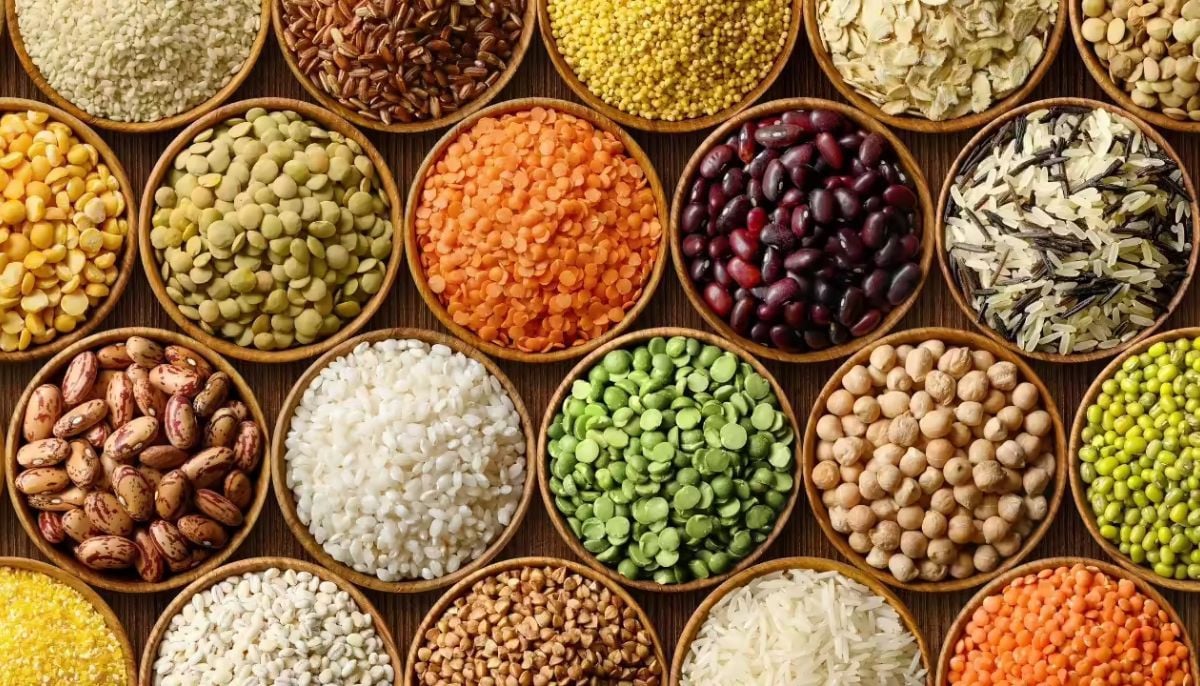
Pulses serve as a vital source of iron, potassium, and magnesium, particularly for those following vegetarian diets. However, improper preparation can lead to digestive discomfort.
Kiran Kukreja, a certified dietitian, shared a comprehensive guide on Instagram on Thursday regarding recommended soaking times.
She explained that soaking is essential because it helps to reduce gas, improves mineral absorption, and make protein easier to digest.
Kukreja advised, “Always soak pulses properly before consumption,” noting that longer soaking generally equates to better digestion without over-fermenting.
Soaking Guide
- Whole green gram: Soak for six to eight hours.
- Split green gram: Soak for two to four hours.
- Split and skinned green gram: Soak for 30 minutes to two hours.
- Split Bengal gram: Soak for six to eight hours.
- Pigeon peas: Soak for two to three hours.
- Kidney beans: Soak for 10 to 12 hours.
- Red lentils: Soak for one to two hours.
- Black-eyed peas: Soak for six to eight hours.
- Black chickpeas: Soak for eight to 12 hours.
- Dried white peas: Soak for eight to 10 hours.
- Garbanzo beans: Soak for eight to 12 hours.
- Black gram: Soak for eight to 10 hours.
Why is it important to soak pulses?
Nutritionist Shalini Sudhakar further clarified that soaking removes anti-nutrients like phytic acid, which otherwise hinder the gut's ability to absorb protein.
Kukreja also offered a pro tip: “Discard soaking water for heavy pulses like rajma and chana. Add a pinch of hing while cooking for better digestion.”
Following these specific timeframes ensures that these nutrient-dense foods provide maximum health benefits while remaining gentle on the digestive system.
Following these expert steps ensures your daily meals are both nutritious and comfortable to digest.
"Please Note: This information is for educational purposes only and does not count as medical advice. Readers should always consult a qualified doctor regarding any questions about their health or a medical condition."