Home / Lifestyle
Explore link between mindfulness practice and protection against brain ageing
Strengthening brain network communication ensures sharper and more adaptable mental performance
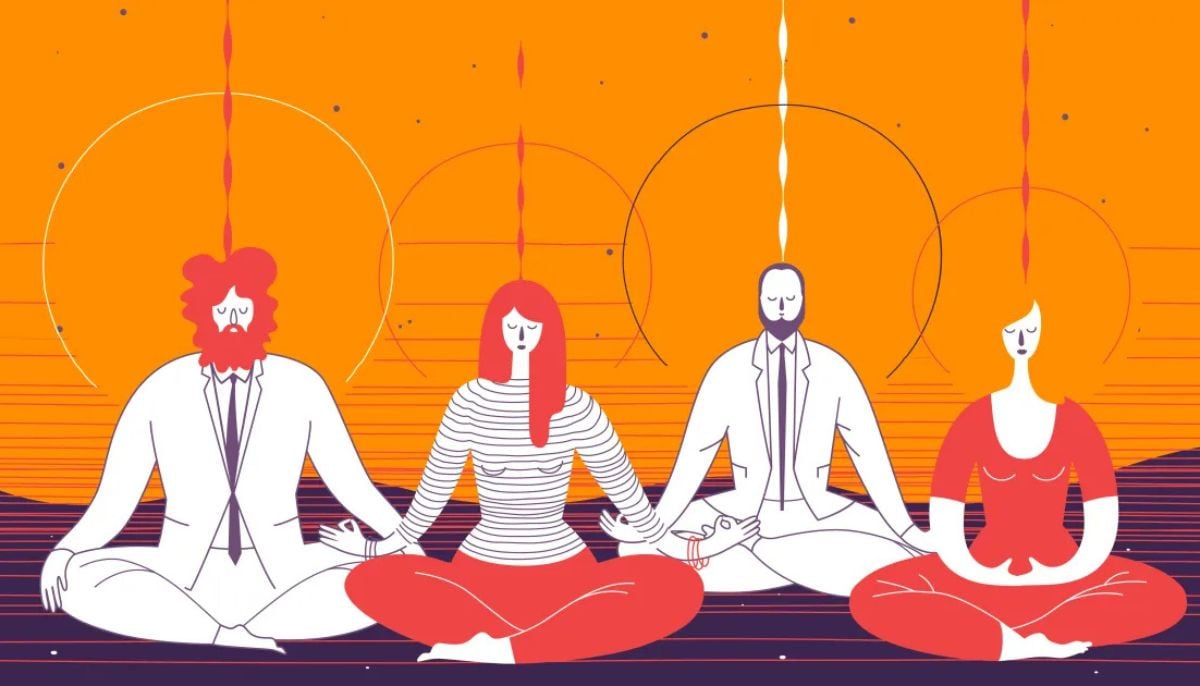
Meditation has transitioned from an ancient practice to a neuroscience-backed tool for modern stress management. Dr Thomas Paloschi, a longevity medical doctor, shared insights on Instagram on Saturday regarding how the practice restructures the brain.
He cited a study on Matthieu Ricard, a monk whose brain was scanned after 40,000 hours of meditation. The findings include:
- Exceptionally high gamma activity (30 to 80 Hz), linked to attention and learning.
- Stronger prefrontal and insula activity, supporting emotional regulation.
- Lower default mode network activity, suggesting less mind-wandering.
- Lower amygdala reactivity is linked to faster emotional recovery.
Meditation as neural training
Dr Paloschi describes meditation as neural training that influences networks involved in self-awareness and control.
Just eight weeks of a mindfulness program is associated with increased grey matter in the hippocampus.
The doctor noted, “The science is compelling: consistent practice has been linked to measurable changes in brain structure, network activity, and the way the brain responds to stress, pain, and distraction.”
How meditation helps brain health and longevity
Evidence suggests that meditation reduces emotional volatility by improving regulatory control from frontal regions.
Dr Paloschi stated, “In pain processing, meditation alters brain responses (insula, ACC, thalamus) to reduce perceived pain, offering a non-pharmacological route to pain resilience.” This practice supports long-term health by:
- Strengthening the resilience of the brain to stress.
- Improving cognitive control.
- Enhancing emotional stability.
- Protecting against ageing-related brain decline.
He concluded that even a few minutes daily can stabilise an emotional baseline and improve network efficiency.
"Please Note: This information is for educational purposes only and does not count as medical advice. Readers should always consult a qualified doctor regarding any questions about their health or a medical condition."