Home / Technology
Chinese chip firms achieve record revenue amid AI surge, US restrictions
Chinese chip companies have thrived due to high domestic AI demand
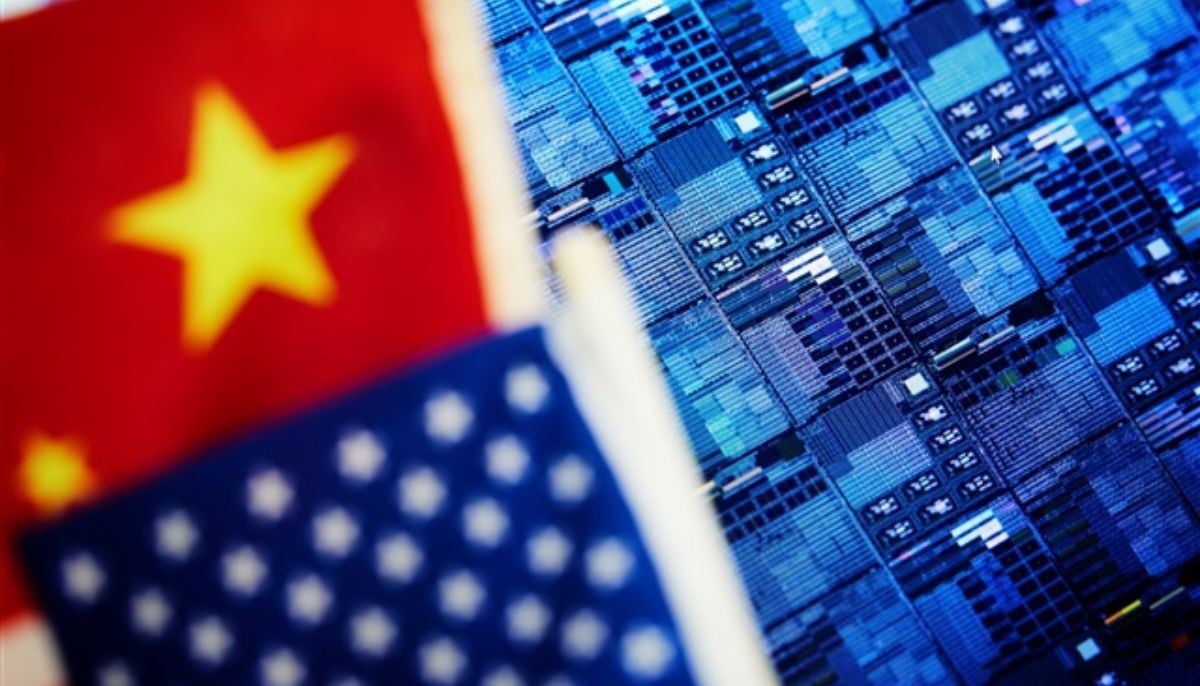
Chinese chipmakers reported unprecedented revenue last year due to rising AI demand, a memory chip shortage, and US export controls spurring Beijing's push for domestic tech development.
Experts and the companies themselves expect revenue to rise again this year, highlighting how Chinese semiconductor firms are taking advantage of the strong demand from local tech giants aiming to enhance their AI capabilities.
Export restrictions from the US on China's tech industry in recent years have intensified the need for chips, boosting other sectors like electric vehicles and AI data centers, according to Paul Triolo, a partner at Albright Stonebridge Group.
Semiconductor Manufacturing International Co. (SMIC), the leading chip producer in China, reported a 16% increase in 2025 revenue over the previous year, reaching a record $9.3 billion.
Projected revenue might exceed $11 billion in 2026, according to LSEG analyst projections.
Hua Hong, another Chinese chipmaker, reported record revenue of $659.9 million in the fourth quarter, with anticipated sales ranging between $650 million and $660 million.
Moore Threads, striving to compete with Nvidia, predicted that its 2025 revenue would be between CNY 1.45 billion ($209.8 million) and CNY 1.52 billion, reflecting a 231% to 247% year-over-year increase.
Several elements contribute to this. The rise in electric vehicles and related infrastructures supports less advanced or "mature node" semiconductors, whereas the demand for advanced chips is "sky-high because of AI," Triolo mentioned to CNBC.
US export restrictions over the past years, cutting off China from essential technologies, have accelerated Beijing's self-sufficiency efforts to reduce reliance on American tech.
Recently, Nvidia's chip sales export restrictions to China have driven Beijing to motivate local companies to opt for domestic alternatives, with companies like Huawei stepping up to meet the demand, even if their semiconductors don't perform at US standards.
"Though China isn't leading in peak GPU performance yet, their local solutions are bridging the domestic 'compute gap' and pushing record revenues," Parv Sharma, a senior analyst at Counterpoint Research, informed CNBC.
Chinese memory chip manufacturers have also experienced growth. Memory, essential for AI data centers and consumer electronics, faces a global scarcity, yet demand remains robust.
This has resulted in an unprecedented surge in memory chip prices.