Home / Technology
Greece to ban social media for under-15s in major policy shift
Greece is expected to introduce a nationwide ban on social media access
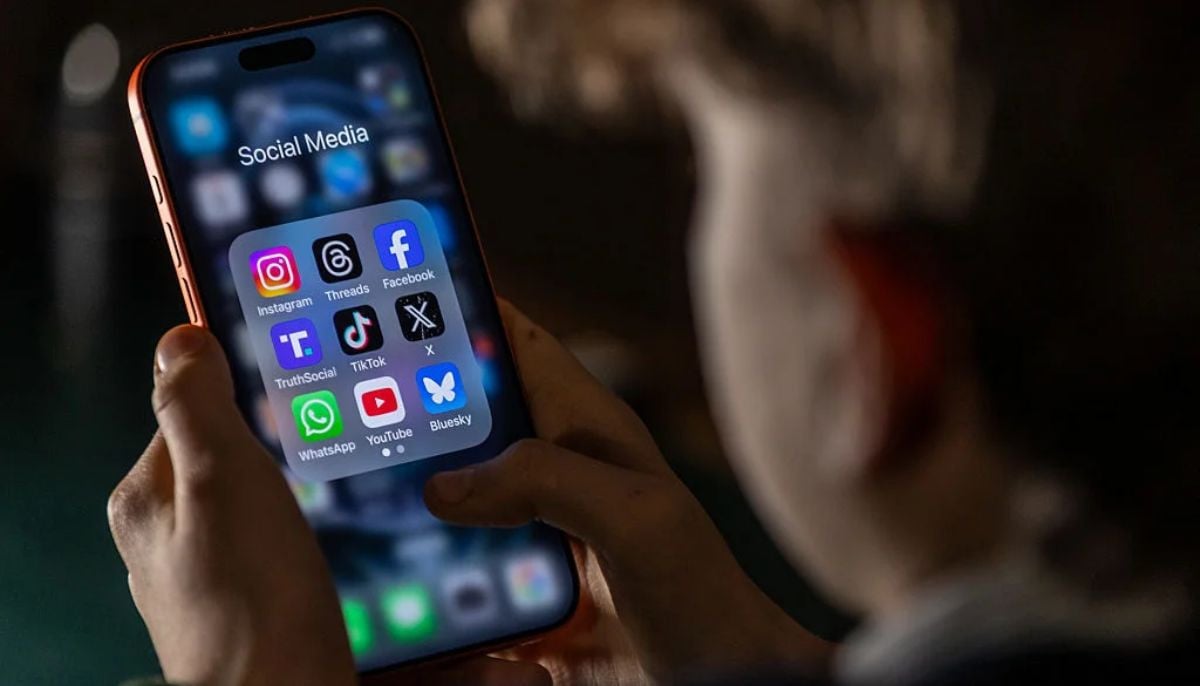
Greece is expected to introduce a nationwide ban on social media access for children under the age of 15, marking a significant escalation in efforts to protect young users from online harm.
Prime Minister Kyriakos Mitsotakis is set to formally announce the measure, according to a government briefing on Wednesday.
The move would place Greece among a growing number of countries seeking stricter controls on children’s digital activity.
The proposal follows similar discussions in Slovenia, United Kingdom, Austria and Spain, while Australia has already implemented a ban for users under 16 — the first of its kind globally.
Public support in Greece appears strong. An opinion poll published in February found that roughly 80% of respondents backed the idea, reflecting growing concern among parents about children’s exposure to addictive algorithms and harmful online content.
The government has already taken steps in this direction, including banning mobile phone use in schools and introducing parental control tools to limit screen time. The proposed social media restriction would build on those measures.
Authorities cite a sharp rise in online risks facing children. At the EU-funded Greek Safer Internet Centre in Athens, calls to a cyberbullying helpline more than doubled between 2024 and 2025.
Reports include cases of blackmail, misinformation, and hate speech targeting minors.
According to the centre’s data, around 75% of children using social media in Greece are of primary school age — a statistic experts say underscores the urgency of intervention.
Officials estimate that nearly half of teenagers have already experienced negative effects linked to social media use.
Despite broad support, the proposed ban has sparked debate among parents and young people.
Some argue that enforcement will be difficult, with tech-savvy children likely to find ways around restrictions.
Others believe responsibility should remain within families rather than with the state.
If implemented, the policy would mark one of Europe’s most aggressive attempts to regulate youth access to social media — and could add momentum to similar initiatives across the continent.