Home / Technology
SK Hynix records Q1 profit surge, aligns with memory price estimates
South Korean memory chip leader SK Hynix achieved another record quarter for profit and revenue
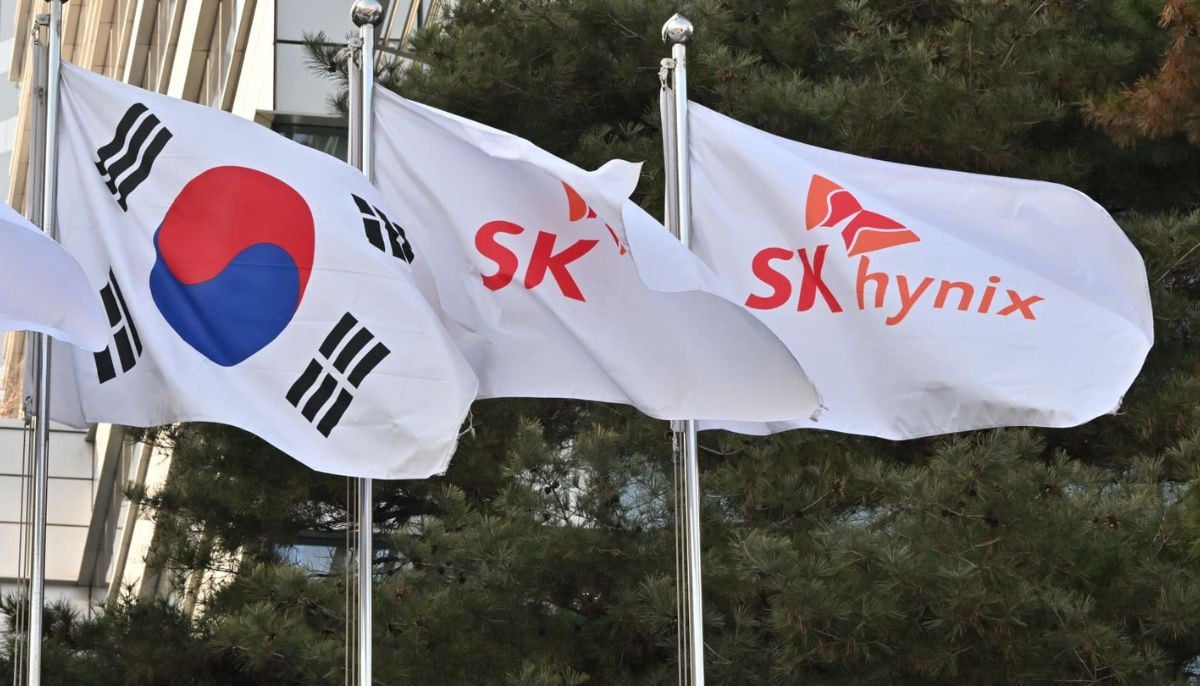
South Korean memory chip leader SK Hynix achieved another record quarter for profit and revenue on Thursday, thanks to rising product prices fueled by strong demand from the AI sector.
Although earnings were on target, revenue fell short of expectations.
The revenue for the March quarter nearly tripled compared to the same timeframe last year, breaking past 50 trillion won for the first time.
Operating profit expanded fivefold year-over-year and almost doubled from the preceding quarter, with the operating margin peaking at 72%.
SK Hynix produces memory chips used for data storage, found in everything from servers to mobiles and laptops.
The company has thrived amid increased demand for artificial intelligence, being a leading supplier of high-bandwidth memory (HBM) essential for AI datacenters.
"SK Hynix observed that despite the usual seasonal downturn in the first quarter, robust demand continued driven by enhanced investments in AI infrastructure," the company noted in its earnings report.
HBM is a segment of dynamic random access memory, or DRAM — a type of semiconductor memory employed for storing data and program codes in PCs, workstations, and servers.
SK Hynix has advanced over competitors like Micron and Samsung in the DRAM sector due to its pioneering work in HBM and its status as a significant supplier to top AI processor manufacturer Nvidia.
Nonetheless, Samsung regained the lead in DRAM revenue in the year's last quarter, based on data from Counterpoint Research. Meanwhile, SK Hynix continued to lead in HBM with a 57% market portion.
Counterpoint mentioned that the DRAM market has seen 30% growth quarter-over-quarter for two successive quarters due to increasing memory prices.
Shooting memory prices result from escalating HBM demand, which has filled manufacturers' capacity, leading to a broader memory shortage recently.
SK Group Chairman Chey Tae-won reportedly mentioned in March 2026 that the worldwide chip wafer shortfall is predicted to continue until 2030, as the demand for HBM outpaces supply, stressing manufacturing capabilities.
He further explained that expanding wafer supply might require at least four to five years, with an anticipated deficit going over 20%.