Home / Lifestyle
Expert identifies specific foods to alleviate persistent digestive discomfort
Low-acid ingredients are gentler on the oesophagus and reduce irritation risks

Heartburn, characterised by a burning sensation in the chest or throat, occurs when stomach acid flows back into the oesophagus.
Gastroenterologist Dr Joseph Salhab shared insights on Tuesday regarding low-acid foods that provide relief. These items are gentler because they are less likely to irritate the oesophagus, often providing a lighter digestive load.
“Low-acid foods can feel gentler on heartburn because they are less likely to irritate the oesophagus, and some also help by adding water, fibre, or a lighter digestive load.
"Foods that are higher in pH, lower in fat, and easier to digest may also help reduce the chance that stomach contents reflux upward,” Dr Salhab said.
Low-acid foods to soothe heartburn
Specific dietary choices can help neutralise acid and support the digestive system:
- Papaya: Contains papain, an enzyme that breaks down proteins to reduce pressure.
- Honeydew: A low-acid fruit with a higher pH to neutralise stomach acids.
- Cantaloupe: Features a pH level of 6.3 to soothe acid reflux symptoms.
- Sweet potato: Rich in soluble fibre to neutralise acid and prevent overeating.
- Fresh ginger: Its anti-inflammatory properties help food move faster through the stomach.
- Celery: High water content and alkaline nature help dilute irritating acids.
- Popcorn: Air-popped versions act as a high-fibre snack to absorb excess acid.
- Oatmeal: This non-acidic whole grain coats the stomach lining effectively.
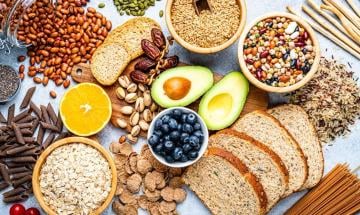
By incorporating these light, high-fibre options, individuals can manage symptoms and support a healthier gut environment during a flare-up.
Please Note: This information is for educational purposes only and does not count as professional advice. Readers should always consult a qualified doctor regarding any questions about their health or a medical condition.