Home / Technology
Volvo considers manufacturing Chinese EVs in US, CEO announces
Volvo’s chief shared that the company might build vehicles from Geely, its Chinese parent
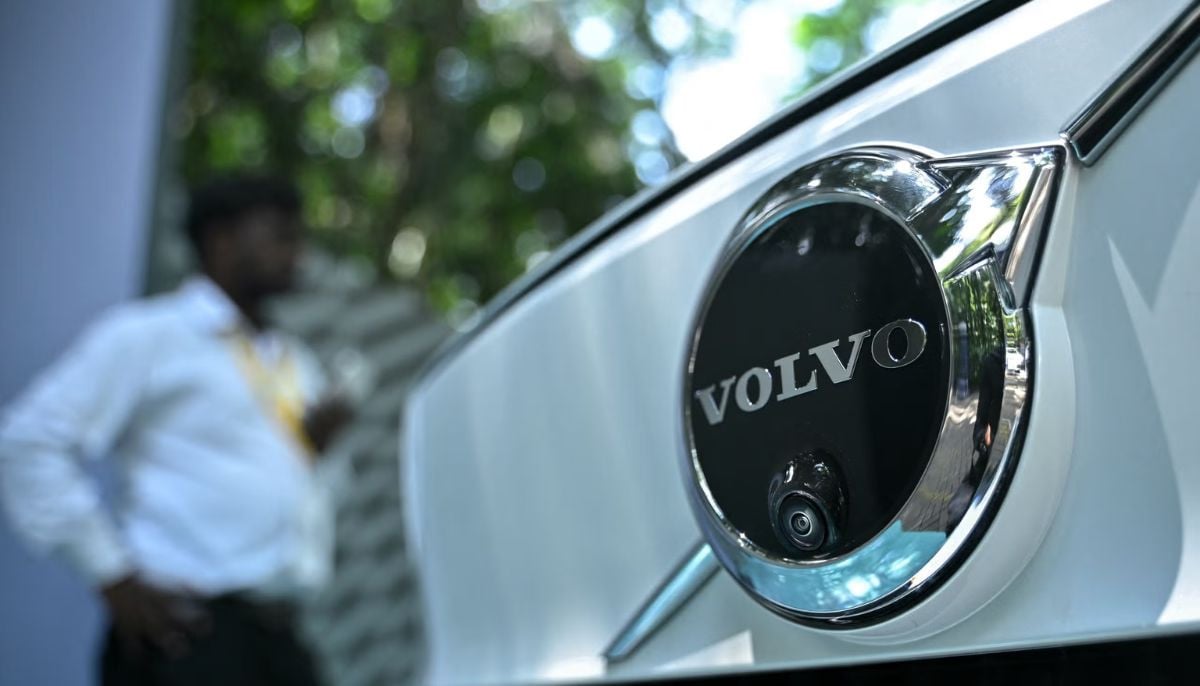
The US isn't capitalising on inexpensive Chinese EVs, but Volvo is considering altering this.
In an interview held on Wednesday, Volvo’s chief Håkan Samuelsson shared with Business Insider that the Swedish company might build vehicles from Geely, its Chinese parent, at its factory in South Carolina.
Samuelsson emphasised that such plans are contingent on Geely successfully maneuvering through the challenging US regulatory landscape for Chinese cars.
"Provided that's the case, we might discuss car production at this facility since we have the capacity," stated Samuelsson.
Under regulations set by the Biden administration, Chinese-origin vehicle technology is essentially barred from the US.
Geely, along with other prominent Chinese EV manufacturers like BYD, are siphoning market share from Western car producers in China and Europe by presenting an array of cost-effective, technologically advanced electric vehicles.
Geely’s sales have soared in recent years, buoyed by their competitively-priced EVs like the Galaxy hatchback, retailing from 68,800 yuan ($9,670) in China.
Nonetheless, these companies have been significantly hampered by tariffs exceeding 100% in selling their cars in the US.
Top executives at Geely disclosed earlier this year that the Chinese automaker, which also owns Polestar and Volvo, might announce plans to penetrate the US market within a couple of years.
Constructing their vehicles at Volvo's Charleston, South Carolina facility could potentially be a way to bypass the excessive tariffs on Chinese automobiles, though restrictions on Chinese technologies would remain a considerable hurdle.
Currently, this plant is responsible for manufacturing Volvo’s EX90 SUV and the Polestar 3 EV.
Recently, The Wall Street Journal relayed that Geely engaged in discussions with Ford over a possible US partnership, which could involve the Chinese company licensing their technology to the Detroit auto heavyweight.
Any efforts to introduce Chinese EVs to the US might encounter renewed political challenges, as US automotive executives caution that an influx of affordable Chinese vehicles would pose significant threats to the industry.
Samuelsson's discussion with Business Insider came after Volvo's first-quarter financial report, which showed reduced revenue and profits as the Swedish carmaker grapples with waning EV sales in the US and fierce competition in China.