Home / Lifestyle
Expert advice on why curd may disrupt evening rest
Consuming dense dairy before bed can lead to significant digestive strain
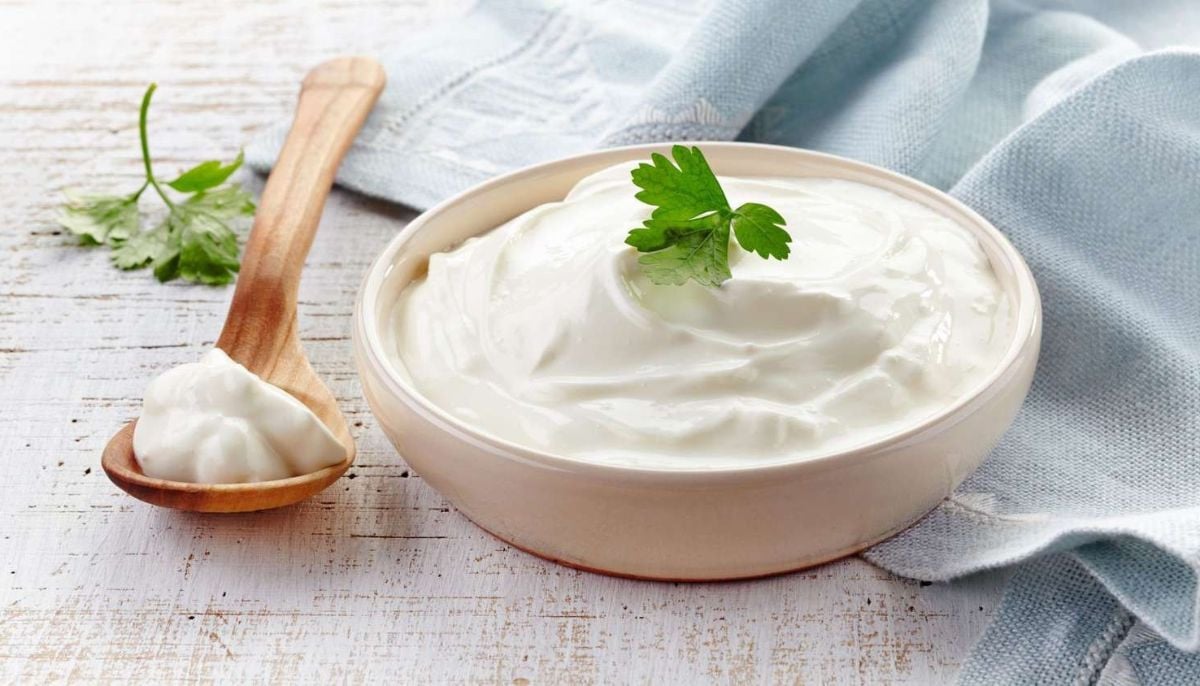
Curd is frequently celebrated as a nutritional powerhouse, offering a potent source of calcium while supporting gut health through its rich probiotic content.
However, as the summer heat intensifies, many individuals wonder if consuming this dense food during evening hours is truly beneficial.
Dr Sukrit Singh Sethi, director and senior consultant in gastroenterology at Narayana Hospital, Gurugram, suggests that timing is essential for nutrient absorption.
According to Dr Sethi, curd is inherently dense and requires significant metabolic effort to process. While digestion is efficient during active daylight hours, the process naturally slows as the sun sets.
"The cooling properties of the curd do not outweigh the mechanical strain it puts on the stomach when the metabolism is in its resting phase," the doctor noted.
What happens if you eat curd at night?
The gastroenterologist explained that consuming thick curd at dinner followed by lying down can disrupt the mechanics of digestion. Dr Sethi described the process in length: "When a person consumes thick curd at dinner and then lies down shortly after, the mechanics of digestion slow down.
"This horizontal position often triggers acid reflux or a heavy sensation in the chest. Instead of cooling the body, the curd remains undigested, and the undigested curd sits in the gut, ferments, and produces gas. This process leads to significant bloating and a restless night of sleep."
What is safer for late evening?
For those seeking cooling benefits without the heaviness, Dr Sethi recommended buttermilk, or chaas, as a superior substitute.
"Buttermilk, or chaas, serves as the perfect substitute. Since buttermilk is essentially diluted curd with the heavy fats removed, it contains much lower levels of lactose," he noted.
The doctor outlined several reasons why buttermilk is digested more effectively:
- Lightness: It moves through the digestive tract much faster than thick curd.
- Hydration: It provides the necessary hydration without the caloric density.
- Ease: It remains far kinder to the gut lining during the late hours.
Ultimately, while curd remains a healthy staple, it is best enjoyed at lunch when the body can break it down effectively.