Home / Lifestyle
Clinical nutritionist shares 10 cooling summer foods to help women manage PCOS
PCOS is one of the most common hormonal disorders affecting women of reproductive age
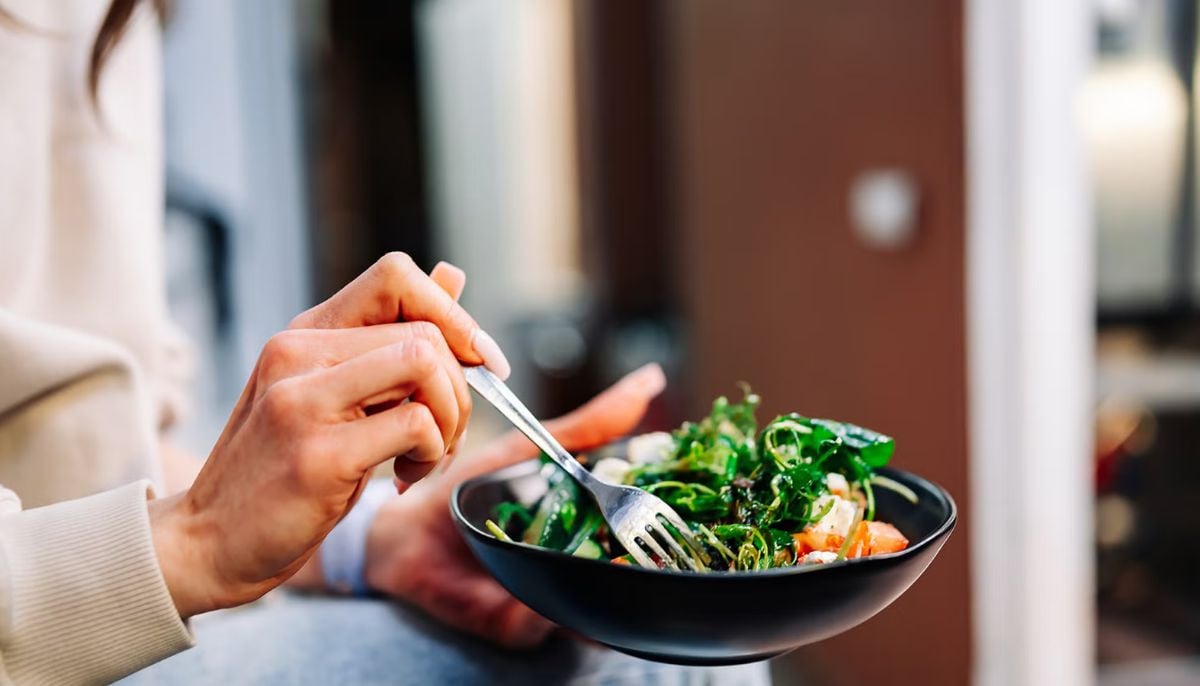
Polycystic Ovary Syndrome (PCOS) is one of the most common hormonal disorders affecting women of reproductive age, impacting an estimated 10–13% globally.
The condition is typically associated with irregular menstrual cycles, elevated androgen levels, ovarian cysts, and metabolic challenges such as insulin resistance.
As temperatures rise during the summer months, nutritionists say dietary adjustments can play a key role in helping manage symptoms and supporting overall hormonal balance.
In a conversation with HT Lifestyle, Dr. Rohini Somnath Patil, an MBBS physician, clinical nutritionist, and metabolic wellness expert, highlighted a range of cooling, nutrient-rich foods that may benefit women living with PCOS during warmer weather.
According to Dr. Patil, hydration-focused and low-glycemic foods are especially important, as they help reduce internal heat, improve digestion, and support stable blood sugar levels—key factors in managing PCOS.
Among the recommended foods is cucumber, which has high water content and may help reduce bloating while improving hydration. Buttermilk (chaas), rich in probiotics, is also suggested for its benefits to gut health and digestion.
Natural fluids like coconut water provide electrolytes that help maintain hydration, while mint offers a cooling effect and supports digestive comfort.
Seasonal fruits such as watermelon are highlighted for their high water content and low-calorie profile, making them suitable for weight management.
Vegetables like bottle gourd (lauki) and ash gourd (petha) are also recommended due to their light, easily digestible nature and potential metabolic benefits. Leafy greens contribute essential nutrients while remaining gentle on digestion.
Dr. Patil also emphasized soaked chia seeds, which are high in fiber, omega-3 fatty acids, and antioxidants, helping regulate blood sugar and increase satiety.
Curd (yoghurt) is another key food, valued for its probiotic content and its role in supporting hormonal and gut health.
She further advised women with PCOS to avoid excessive intake of sugary drinks, refined carbohydrates, and processed foods, as these can worsen insulin resistance and inflammation.
Overall, experts suggest that combining hydration, seasonal produce, and consistent eating patterns can help improve symptom management and overall wellbeing for women living with PCOS during summer.