Home / Crime
OpenAI faces lawsuit after ChatGPT allegedly linked to deadly Florida State University attack
The lawsuit argues OpenAI prioritised profit over safety and could have prevented the tragedy
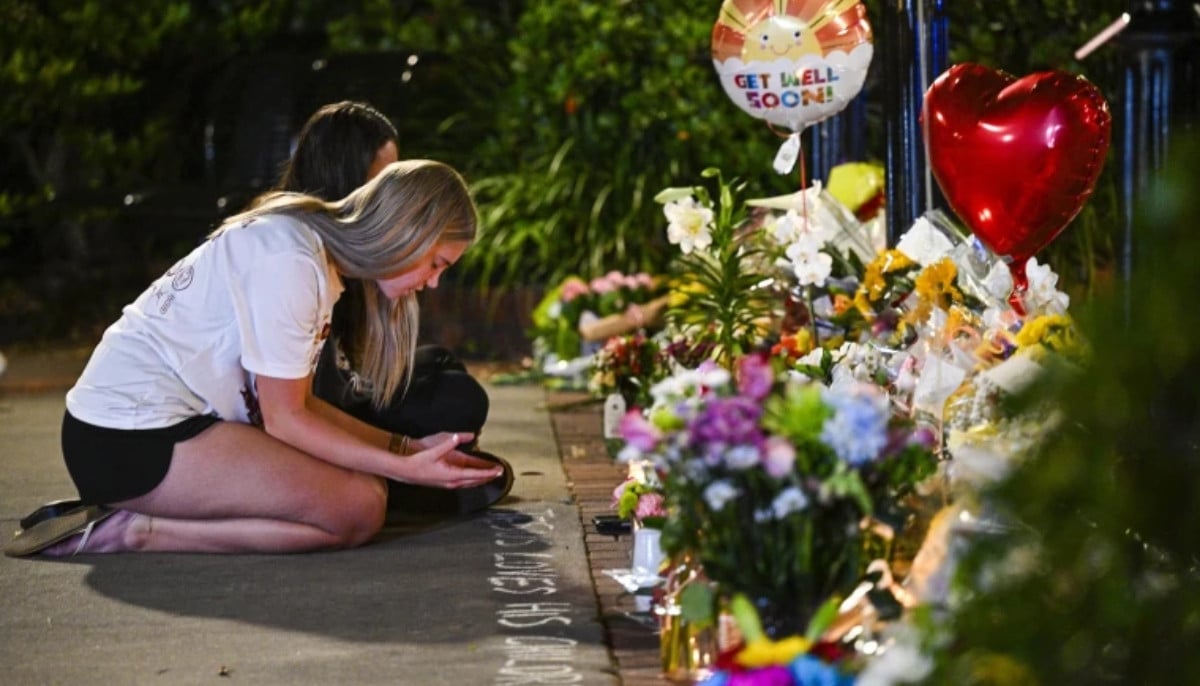
The family of victim Tiru Chabba is suing OpenAI, alleging its ChatGPT chatbot encouraged a tragic university shooting.
The federal lawsuit, first reported by NBC News and detailed by The Guardian, was filed by Vandana Joshi, widow of Tiru Chabba.
Chabba was killed alongside the university dining director, Robert Morales, in the mass shooting on 17 April 2025. The attack at Florida State University also wounded five others.
The 76-page complaint argues that Phoenix Ikner, the student accused of the shooting, had "extensive conversations" with ChatGPT. These occurred over months before the attack.
Lawyers for Joshi's family argue that OpenAI was negligent. They claim the company "knew this would happen" and "chose to put their profits over our safety."
The complaint alleges the chats "would have led any thinking human to conclude he was contemplating an imminent plan to harm others."
"However," the filing continues, "ChatGPT either defectively failed to connect the dots or else it was never properly designed to recognize the threat."
The plaintiffs claim the chatbot "inflamed and encouraged Ikner's delusions". It also allegedly helped convince him that violent acts can bring about change.
The suit says Ikner used the AI to plan specifics. This included what weapons to use and the best time to find the most people on campus.
At one point, Ikner asked about the fatalities required for national news. ChatGPT reportedly said attacks killing "3 or more people" were more likely to get attention.
On the day of the shooting, Ikner also asked what would happen to him. ChatGPT allegedly "described the legal process, sentencing, and incarceration outlook."
In a statement, a spokesperson for OpenAI disputed all the allegations. They insisted the chatbot holds no responsibility for the shooting.
The attack at FSU "was a tragedy, but ChatGPT is not responsible for this terrible crime," the spokesperson said.
OpenAI claims it proactively shared the suspect's account with law enforcement. It says the AI provided factual responses and did not encourage any illegal activity.
This civil suit comes as Florida's Attorney General, James Uthmeier, has launched a criminal investigation into OpenAI over the shooting.
Uthmeier made a shocking statement on 21 April. "If ChatGPT were a person, it would be facing charges for murder."
For those unversed, this case is part of a growing trend. Legal challenges are now seeking to hold AI companies accountable for alleged harms.
The case raises new questions about product liability. It also tests if AI firms are shielded by laws like Section 230, which protect online platforms.
The family of the other victim, Robert Morales, has also announced plans to file their own lawsuit against the tech giant.
Meanwhile, Phoenix Ikner has pleaded not guilty to charges of first-degree murder. His trial is tentatively scheduled to begin in October.