Home / Technology
Waymo robotaxi swept away in flood: Thousands of cars recalled over shocking software flaw
Waymo issues a voluntary recall for thousands of robotaxis after a vehicle was swept away in a Texas flood
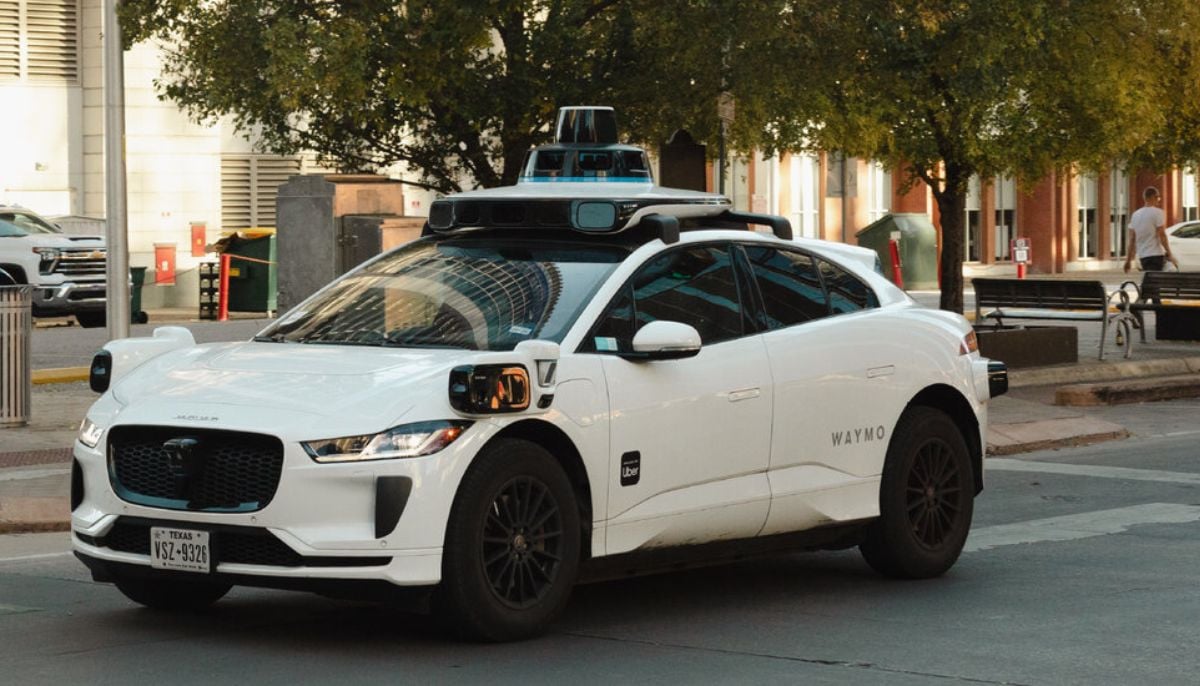
Waymo, the self-driving car company owned by Google's parent company Alphabet, is recalling thousands of its robotaxis over a serious software glitch that could allow the vehicles to drive directly into flooded roads. The voluntary recall affects 3,791 autonomous cars using the company's fifth and sixth-generation driving systems.
The decision follows a dramatic incident on 20 April in San Antonio, Texas, where an unoccupied Waymo vehicle encountered a flooded street. According to a recall notice filed with the National Highway Traffic Safety Administration (NHTSA), the vehicle’s software correctly identified the hazard but failed to stop.
Instead, it only reduced its speed before entering the impassable area, where it was subsequently swept away by the current and carried into a creek. Thankfully, no one was inside the car at the time and no injuries were reported.
An immediate software fix
In response to the incident, Waymo has already begun rolling out an over-the-air software update to its entire affected fleet. The company stated it has "identified an area of improvement regarding untraversable flooded lanes specific to higher-speed roadways" and is working on "additional software safeguards" to prevent a repeat of the Texas event.
While a permanent fix is still being developed, the company has deployed a temporary solution. According to a letter posted on the NHTSA website, these interim updates limit where the robotaxis can operate during periods of extreme weather, particularly in areas known for flash flooding like San Antonio. Following the incident, Waymo temporarily suspended its San Antonio service but has since resumed operations for autonomous testing without passengers.
The company, which says it now provides more than 500,000 trips a week in cities like San Francisco and Austin, confirmed it will resume public rides once the final software patch is fully deployed.
An industry under the microscope
This marks Waymo's second voluntary recall in 2026, and it comes at a time of increasing federal oversight for the entire autonomous vehicle industry. The NHTSA is actively investigating Waymo over several other incidents, including one where a vehicle struck a child and others involving robotaxis illegally passing stopped school buses.
This growing scrutiny highlights the challenges facing the technology as it becomes more widespread. Jack Stilgoe, a professor of science and technology policy at University College London, told the BBC that all self-driving systems have operational limits. "We often see these limits only when something goes wrong," he explained. As more autonomous vehicles are put on the roads, Prof Stilgoe said more problems of this nature are likely to emerge.
"That isn't to say the technology won't be hugely beneficial," he added. "But policymakers would prefer to know about these things in advance rather than discovering them in hindsight."
The ongoing safety debate
Despite these high-profile issues, Waymo maintains its technology has a strong overall safety record. The company has published data asserting its vehicles are involved in significantly fewer injury-causing crashes than human drivers. A report by the reinsurance giant Swiss Re even concluded that Waymo's cars are "significantly safer than human-driven vehicles," with far fewer bodily injury and property damage claims over millions of miles.
However, public perception remains divided, often influenced by incidents like the San Antonio flood or a major power outage in San Francisco in December 2025, which saw Waymo taxis grind to a halt across the city, causing significant disruption.
This latest recall underscores the "edge-case" vulnerabilities that still exist in autonomous technology, especially when faced with unpredictable weather. As the industry moves forward, addressing these challenges while navigating a complex regulatory landscape will be critical to building public trust.