Samsung faces potential strike by 47,000 workers amid urged labor deal from South Korea's president
The South Korean government has intensified its efforts to prevent strike by Samsung Electronics and its union
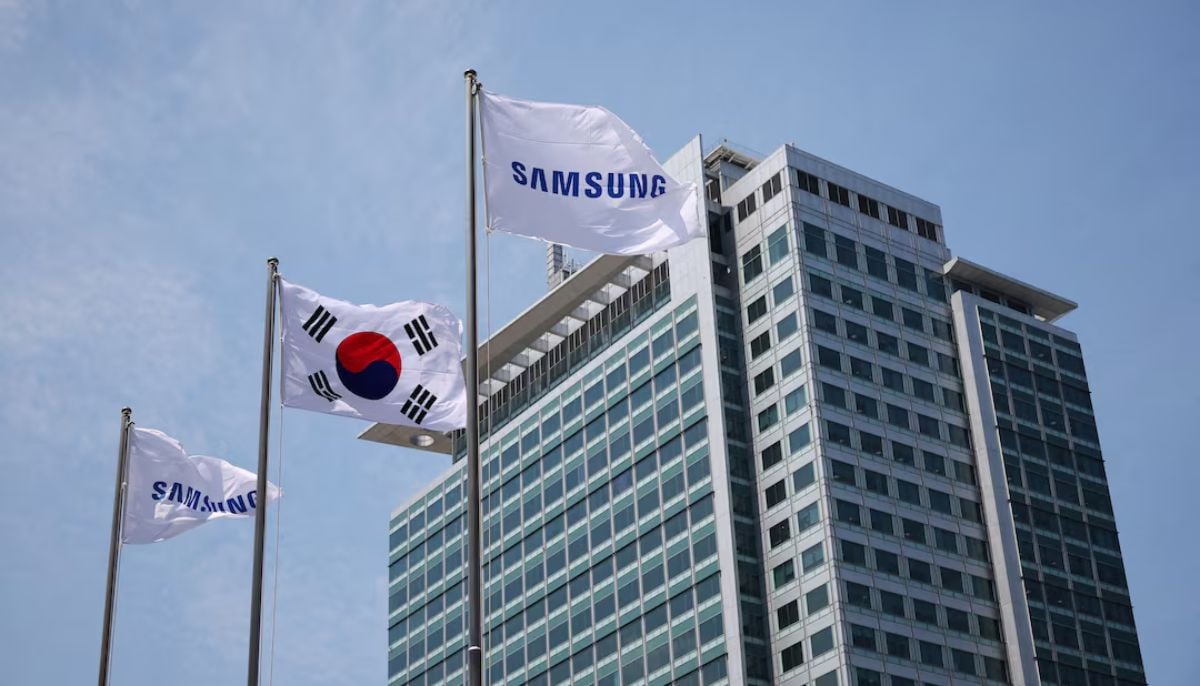
On Monday, South Korea's President Lee Jae Myung emphasised the need to respect the rights of both workers and management in light of an impending 18-day strike at Samsung Electronics.
Lee expressed on platform X, in Korean, that "labour should be as respected as business, and business management rights should be as respected as labour rights."
"Excessive actions are counterproductive; extreme measures bring about negative outcomes," he mentioned, based on a CNBC translation of his comments.
Lee’s comments join a series of calls from government officials for Samsung Electronics and its workers’ union to find a resolution ahead of a strike planned to begin on May 21.
The latest negotiation between the union and Samsung's executives was planned for Monday.
The union's requests focus on Samsung's bonus system tied to performance. It seeks bonuses equivalent to 15% of Samsung's operating profits, abolition of bonus limits, and a structured bonus system, among other proposals.
Samsung's executives proposed on allocating 10% of operating profits to bonuses and offering a special one-time compensation package, according to South Korean news agency Yonhap.
On Monday, shares of Samsung Electronics rose as much as 6.65% before reducing gains to approximately 3%.
Economic impact
On Sunday, South Korean Prime Minister Kim Min-seok reportedly stated that the government would consider all possible responses, including "emergency measures," if the strike seems likely to cause "significant damage."
South Korean legislation permits the labour minister to impose an "emergency adjustment," suspending industrial action for 30 days if a dispute is predicted to negatively affect the economy or daily life.
Kim remarked that Monday’s discussions represented the last chance to stop the strike, adding that the "economic consequences will be unimaginable."
The prime minister projected that direct financial losses from the strike could amount to 1 trillion won ($664.7 million), and might soar up to 100 trillion won if interruptions in chip production force Samsung to abandon semiconductor wafers already in process.
However, Samsung's workers’ union refuted the estimated effects of the strikes, indicating in a statement that past operational pauses happened for the purpose of equipment inspection, maintenance, and procedure adjustments.
Furthermore, it asserted that the government did not thoroughly evaluate the union's counter-evidence, focusing solely on the company's claims.
Samsung Electronics represents 22.8% of South Korea's exports and comprises 26% of its total market capitalisation, he noted. The presidential office in Seoul also indicated that Samsung Electronics earnings contribute to 12.5% of South Korea’s GDP.
Experts have raised alarms about the risks of concentration within South Korea's stock market, where dependency on a limited number of companies poses the risk of instability and susceptibility to geopolitical disruptions, including potential slowdowns in data-centre investment.
Kim's comments also followed an X post by Finance Minister Koo Yun Cheol last week, stating that "strikes should never occur under any circumstances."
"Samsung Electronics is a key player on the global stage," wrote Koo. "Considering both the current business climate and its impact on the national economy, it is imperative for both labour and management to continue striving for fair negotiations."
On Saturday, Samsung president Lee Jae-yong offered a rare public apology to customers worldwide for causing "unease and stress," according to South Korean media reports.
More than 47,000 employees might join the strike, the union declared.
It also claimed that the demonstration on April 23, attended by 40,000 workers, caused a 58% downturn in foundry output and an 18% decrease in Samsung’s memory production that day. The union suggested an 18-day strike might cost Samsung about 30 trillion won, or roughly $20 billion.